


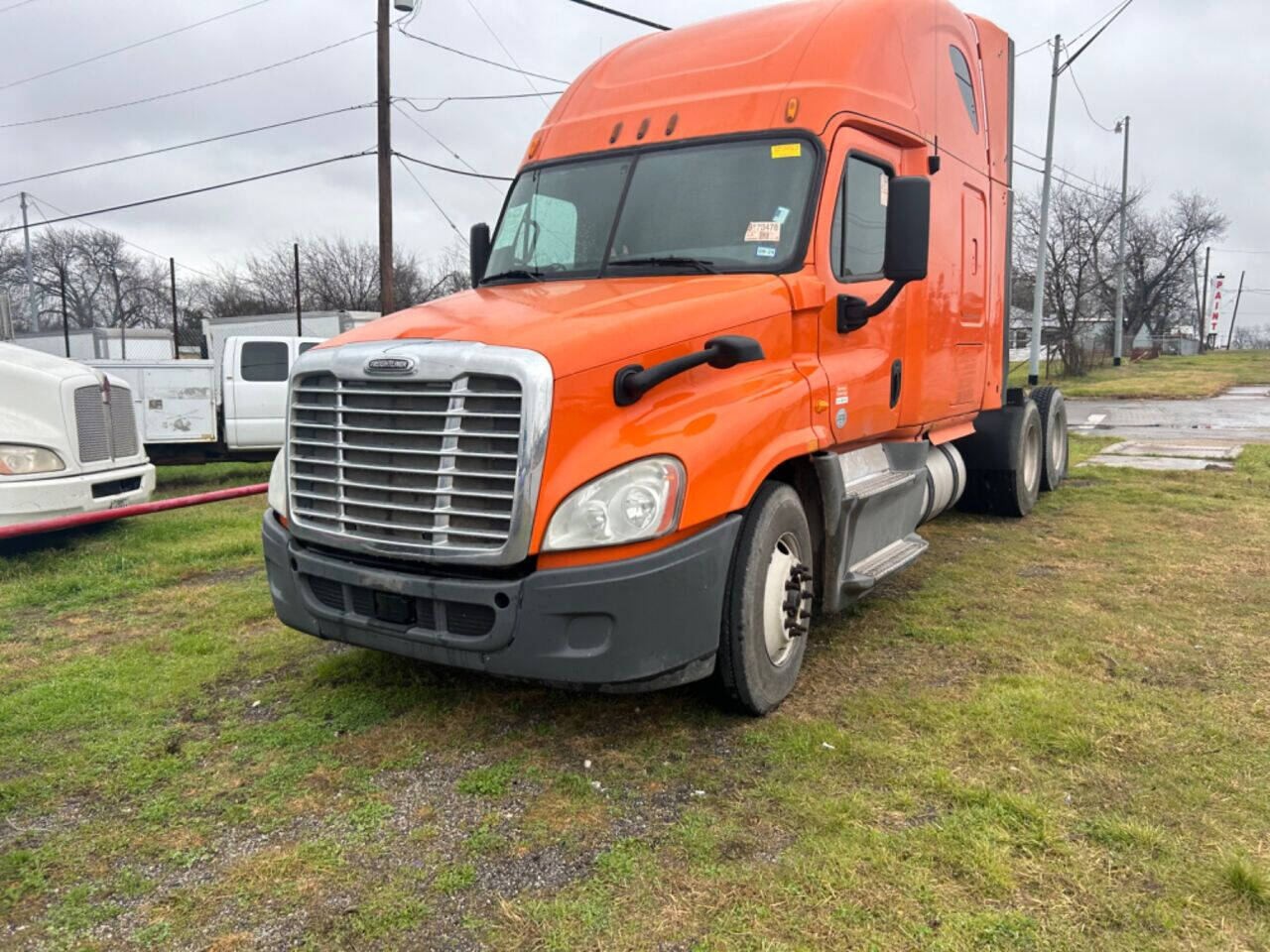

2013 Freightliner Cascadia: A Detailed Overview
The 2013 Freightliner Cascadia stands as a testament to Freightliner's commitment to driver comfort, fuel efficiency, and robust performance in the Class 8 truck market. Building upon its established reputation, the 2013 model year brought a blend of evolutionary improvements and refinements, solidifying its position as a leading choice for owner-operators and fleet managers alike. This overview delves into its key features, ownership experience, and potential considerations for prospective buyers.
Highlights
The 2013 Cascadia distinguishes itself through a combination of powerful powertrains, advanced safety technologies, and a focus on the driver's well-being.
- Engine Options: The heart of the 2013 Cascadia is typically powered by the robust Detroit DD15 or Detroit DD13 engines. The DD15, a 14.8-liter inline-6, is renowned for its exceptional torque and fuel efficiency, delivering a potent combination of power and economy suitable for long-haul operations. The DD13, a slightly smaller 12.8-liter option, still provides ample power for various vocational and regional hauling needs while offering a potentially more fuel-efficient alternative in certain applications. These engines are known for their reliability and advanced emissions control systems.
- Safety Features: Freightliner prioritized driver and road safety in the 2013 Cascadia, integrating several key technologies:
- Anti-lock Braking System (ABS): This fundamental safety feature prevents wheel lock-up during hard braking, allowing the driver to maintain steering control and reduce stopping distances, especially on slippery surfaces.
- Electronic Stability Control (ESC): While not always standard on all configurations in 2013, ESC is a highly beneficial feature that helps prevent rollovers and loss of control by automatically applying brakes to individual wheels and reducing engine power when it detects the truck is about to skid or roll.
- Optional Lane Departure Warning (LDW): This advanced system uses cameras to monitor lane markings. If the truck unintentionally drifts out of its lane without the turn signal being activated, the system alerts the driver, helping to prevent fatigue-related accidents.
- Optional Collision Mitigation Systems (CMS): Freightliner offered various CMS options, often utilizing radar to detect potential forward collisions. These systems could provide audible and visual warnings to the driver and, in some cases, automatically apply the brakes to mitigate or avoid an impact.
- Trim Summary: The 2013 Cascadia was primarily offered in two prominent trim levels, each catering to different operational demands and driver preferences:
- Cascadia Evolution: This top-tier trim was designed for ultimate fuel efficiency and long-haul comfort. It often featured aerodynamic enhancements, lightweight components, and specific powertrain configurations optimized for mileage. The "Evolution" trim signifies a focus on maximizing operational savings through superior fuel economy.
- Cascadia: The standard Cascadia offered a balanced approach, providing a solid platform with reliable performance and a comfortable driving environment suitable for a wide range of applications. It still incorporated many of the core features that made the Cascadia a popular choice.
- Other Notable Aspects:
- Aerodynamics: The Cascadia's design is heavily influenced by aerodynamics, featuring a sloped hood, integrated grille, and a well-defined chassis fairing to reduce drag and improve fuel efficiency.
- Driver-Focused Interior: The cabin design prioritizes driver ergonomics and comfort for long hours on the road. Features include a well-laid-out dashboard, ample storage, and comfortable seating.
- Spacious Sleeper Cabs: For long-haul operations, the Cascadia offered various sleeper cab configurations, providing comfortable living and sleeping quarters for drivers.
What to Expect
Owning a 2013 Freightliner Cascadia generally entails a predictable and manageable ownership experience, characterized by its focus on operational efficiency and driver satisfaction.
- Typical Ownership Experience: Owners can expect a reliable workhorse that, with proper care, will deliver consistent performance. The Cascadia is designed for durability and longevity, making it a sound investment for businesses. Driver comfort and ease of operation are key aspects that contribute to a positive ownership experience, potentially leading to increased driver retention.
- Maintenance: Like any Class 8 truck, the 2013 Cascadia requires regular and diligent maintenance to ensure optimal performance and longevity. This includes scheduled oil changes, filter replacements (fuel, oil, air), coolant checks, and brake inspections. The Detroit engines are known for their robust design, but adherence to recommended service intervals is crucial. Access to parts and qualified technicians is generally good due to Freightliner's extensive dealer network.
- Insurance: Insurance costs for a 2013 Freightliner Cascadia will vary significantly based on factors such as the driver's record, the truck's specific configuration and usage, the geographic location, and the chosen coverage levels. Comprehensive and collision coverage will likely be the most substantial costs. Due to its established reputation and widespread use, insurance providers are familiar with the Cascadia, which can help in obtaining competitive rates.
Potential Considerations
While the 2013 Cascadia is a highly capable truck, potential buyers should be aware of a few aspects.
- Technology Maturity: As a 2013 model, some of the advanced safety and driver-assist technologies may not be as sophisticated or widely integrated as those found in newer trucks. For instance, early iterations of Lane Departure Warning might be less refined or have different operational parameters compared to current systems.
- Emissions Systems: Trucks from this era are equipped with diesel particulate filters (DPF) and selective catalytic reduction (SCR) systems to meet emissions standards. These systems require specific maintenance and can sometimes be a source of issues if not properly cared for. Understanding the maintenance requirements and potential costs associated with these components is important.
- Fuel Efficiency Dependence: While the Cascadia is known for its fuel efficiency, the actual mileage achieved will be heavily dependent on the specific engine and transmission combination, driving habits, load weight, and route conditions. It's crucial to manage expectations and understand the factors influencing fuel consumption.
Overall Summary
The 2013 Freightliner Cascadia remains a highly competent and desirable choice for those in the market for a reliable and fuel-efficient Class 8 truck. Its blend of powerful Detroit engines, a focus on driver comfort and safety, and its robust construction make it a sound investment for long-haul and vocational applications. While acknowledging the technological advancements of newer models, the 2013 Cascadia represents a mature and proven platform that continues to deliver value and performance on the road.