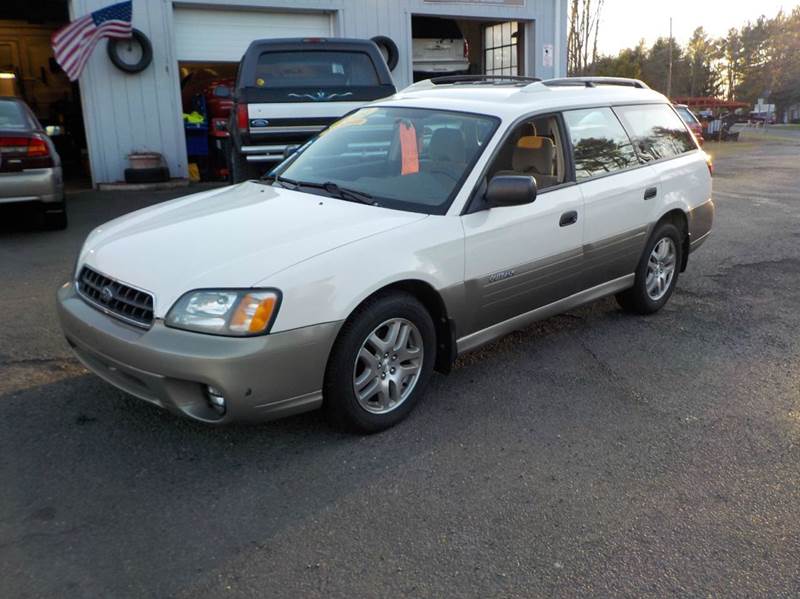
2004 Subaru Outback: A Detailed Overview
The 2004 Subaru Outback continued Subaru's tradition of offering capable, all-weather vehicles with a unique blend of wagon practicality and SUV-inspired ground clearance. Building on the redesigned second-generation Outback introduced in 2000, the 2004 model offered refinements and a continued focus on its core strengths.
Highlights
-
Engine: The 2004 Outback was primarily offered with two potent Boxer engine options:
- 2.5-liter Naturally Aspirated Flat-Four: This engine provided a respectable balance of power and fuel efficiency for everyday driving. It delivered smooth operation, a hallmark of Subaru's Boxer design, and was suitable for most commuting and light hauling needs.
- 3.0-liter Naturally Aspirated Flat-Six (H6): Available on higher trim levels, the H6 engine offered significantly more power and a more refined driving experience. Its extra cylinders provided smoother acceleration and greater towing capability, making it a preferred choice for those seeking more performance.
-
Symmetrical All-Wheel Drive (AWD): Standard on all Outback models, Subaru's Symmetrical AWD system was a key differentiator. This system continuously monitored road conditions and automatically distributed power to the wheels with the most traction. This provided exceptional stability and confidence in various weather conditions, from rain and snow to light off-road excursions.
-
Safety Features: The 2004 Outback was well-equipped with safety features for its time:
- Standard Front-Seat Side-Impact Airbags: These airbags are designed to deploy from the sides of the front seats to protect the occupant's torso and pelvis in a side collision.
- Standard Front and Rear Crumple Zones: These areas of the vehicle's structure are designed to absorb and dissipate energy during a collision, helping to reduce the forces transmitted to the occupants.
- Anti-lock Braking System (ABS): ABS prevents the wheels from locking up during hard braking, allowing the driver to maintain steering control and reducing stopping distances on many surfaces.
- Brake Assist: This system detects a panic stop and automatically applies maximum braking force, helping to shorten stopping distances in emergency situations.
-
Trim Levels: The 2004 Outback was available in several well-appointed trim levels, each offering increasing levels of luxury and features:
- Outback 2.5i: The base model, still offering the core Outback experience with Symmetrical AWD and essential safety features.
- Outback 2.5i Limited: This trim added more comfort and convenience features like leather upholstery, heated front seats, and upgraded audio systems.
- Outback 3.0 R: Featuring the more powerful H6 engine, this trim also included sport-tuned suspension for enhanced handling and often came with unique styling cues.
- Outback 3.0 R L.L.Bean Edition: A special edition collaboration with L.L.Bean, this trim offered premium amenities, often including exclusive interior and exterior accents, and was aimed at those seeking a more luxurious and outdoorsy experience.
-
Practicality and Versatility: The Outback's wagon-like body style offered a generous cargo area with a low liftgate opening, making it easy to load and unload gear. The standard roof rails and available crossbars further enhanced its utility for carrying bicycles, kayaks, or luggage. The elevated ground clearance, a signature Outback trait, provided a more commanding view of the road and better capability on rougher terrain compared to traditional wagons.
What to Expect
Owning a 2004 Subaru Outback typically means experiencing a reliable and capable vehicle that handles various driving conditions with ease. Subaru vehicles are generally known for their longevity, and the Outback is no exception.
-
Maintenance: Expect routine maintenance such as oil changes, filter replacements, and tire rotations to be comparable to other vehicles in its class. However, due to the Boxer engine design, some maintenance tasks might be slightly more involved and potentially require specialized tools or knowledge. It's advisable to find a mechanic familiar with Subaru vehicles to ensure optimal care. Regular checks of the AWD system and any suspension components will also contribute to a smooth ownership experience. Timing belt replacement is a significant maintenance item for the Boxer engines, typically recommended every 100,000 miles, and can be a substantial cost.
-
Insurance: Insurance costs for a 2004 Subaru Outback will vary based on factors such as your driving record, location, chosen coverage levels, and the specific trim level you select. Generally, insurance for Subarus tends to be moderate, but the AWD system and the availability of the more powerful H6 engine might influence premiums. It's always recommended to get multiple quotes from different insurance providers to find the best rate.
-
Driving Experience: The Outback offers a comfortable ride with a good balance between road-holding and compliance. The Symmetrical AWD system provides excellent grip and stability, especially in adverse weather. The elevated ride height gives a commanding view, and the interior is generally well-built with durable materials.
Potential Considerations
While the 2004 Subaru Outback is a well-regarded vehicle, prospective buyers should be aware of a few potential considerations:
-
Head Gasket Issues: This is a well-known potential issue with some Subaru Boxer engines from this era, particularly those with naturally aspirated engines. Over time, head gaskets can fail, leading to coolant leaks and potential engine damage if not addressed promptly. Symptoms can include white smoke from the exhaust, coolant loss, or a milky substance in the oil. Thorough pre-purchase inspection by a Subaru mechanic is highly recommended.
-
Automatic Transmission Longevity: While generally reliable, some owners have reported premature failure of the automatic transmissions in Subaru models of this vintage. Regular fluid changes and proper maintenance can help extend the life of the transmission.
-
Road Noise: While the ride is generally comfortable, some owners have noted a higher level of road and wind noise at highway speeds compared to some competitors.
-
Interior Design and Technology: For those accustomed to modern vehicles, the interior design and technology features of the 2004 Outback may feel dated. Infotainment systems are basic by today's standards, and creature comforts may be less advanced than newer models.
Overall Summary
The 2004 Subaru Outback stands out as a capable and versatile all-wheel-drive wagon that excels in providing a confident driving experience in diverse weather conditions. Its standard Symmetrical AWD, practical cargo space, and the availability of both efficient and powerful engines make it an appealing choice for individuals and families seeking a dependable vehicle for everyday use and light adventuring. While potential buyers should be aware of common Subaru maintenance items like the head gasket, a well-maintained 2004 Outback can still offer many years of reliable service and is a testament to Subaru's commitment to building durable and capable vehicles.