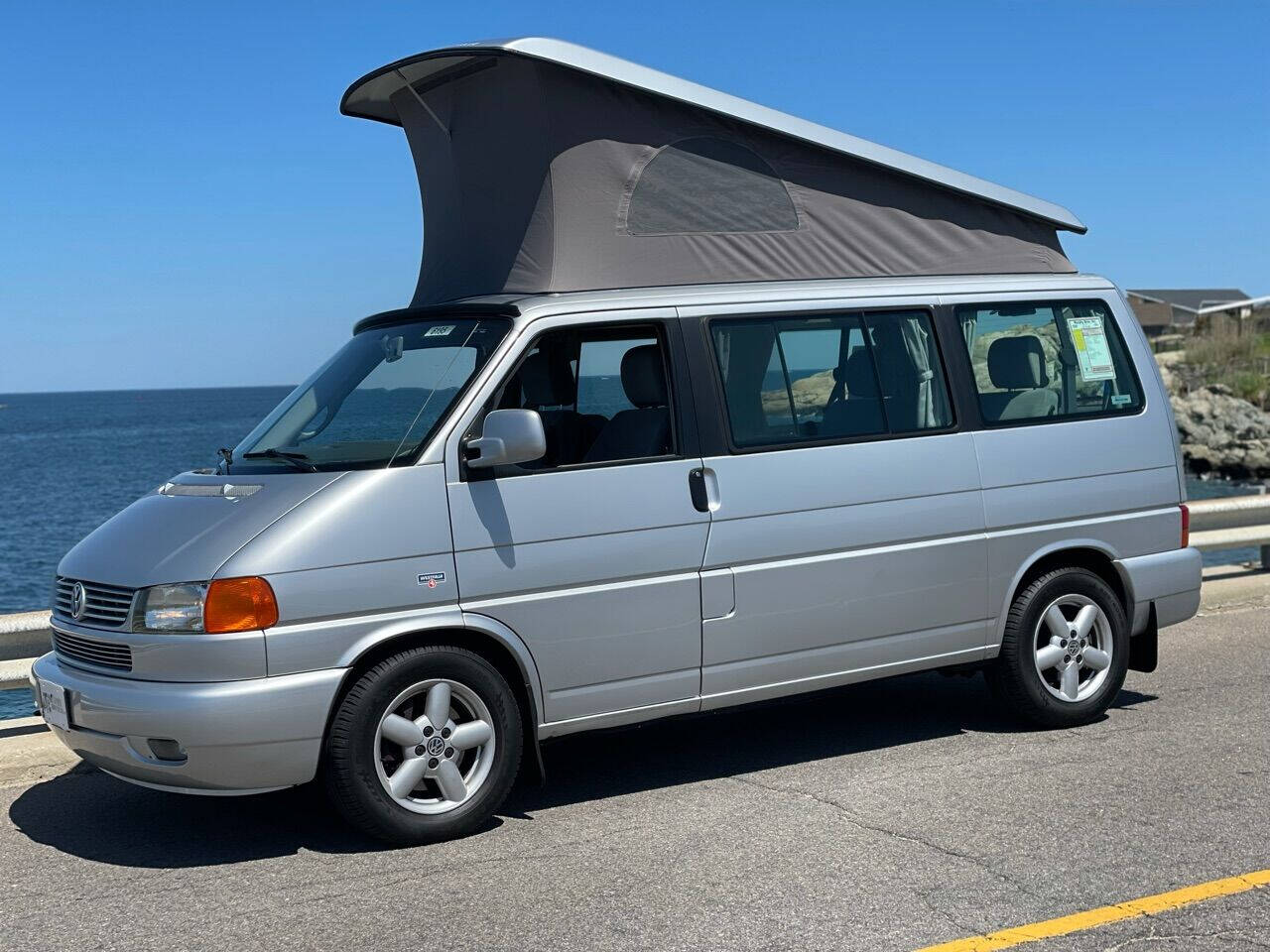
2003 Volkswagen EuroVan: A Detailed Overview
The 2003 Volkswagen EuroVan was a versatile and distinctive vehicle, offering a unique blend of passenger-carrying capacity, utility, and European driving refinement. While not a mainstream minivan, it appealed to those seeking something different, capable of hauling people or cargo with a more car-like driving feel.
Highlights
- Engine: The 2003 EuroVan was powered by a 2.8-liter VR6 V6 engine. This engine, known for its smooth operation and decent power output for its size, delivered 201 horsepower and 181 lb-ft of torque. It provided ample grunt for highway cruising and confident acceleration, especially when the van was loaded.
- Safety Features:
- Anti-lock Braking System (ABS): Standard on all models, ABS prevented wheel lock-up during hard braking, allowing the driver to maintain steering control and reduce stopping distances on slippery surfaces.
- Front and Side Airbags: The EuroVan was equipped with front airbags for driver and passenger, and side-impact airbags for enhanced protection in a collision.
- Child Seat Anchors (LATCH): For families, the inclusion of LATCH (Lower Anchors and Tethers for Children) made securely installing child safety seats much simpler and safer.
- Electronic Brake-force Distribution (EBD): While not always explicitly advertised as a separate feature, EBD worked in conjunction with ABS to optimize brake pressure distribution between the front and rear wheels based on load and braking conditions, further improving braking performance.
- Trim Levels:
- GL: The base GL trim offered a well-equipped package for its segment, including power windows, power door locks, cruise control, and a decent sound system. It was the entry point for experiencing the EuroVan's practicality.
- GXL: Stepping up to the GXL trim added a layer of comfort and convenience. This typically included upgraded upholstery, a more premium sound system, heated front seats, and potentially a sunroof, enhancing the overall ownership experience.
- MV Weekender: This trim was specifically designed for recreational use, featuring a pop-top camper setup with a sleeping area, making it a popular choice for families and outdoor enthusiasts. It was a key differentiator for the EuroVan.
- Other Notable Aspects:
- Front-Wheel Drive (FWD): The EuroVan was exclusively FWD, contributing to its more car-like handling characteristics compared to some rear-wheel-drive competitors.
- Unique Styling: Its boxy, yet rounded European design set it apart from the more bulbous designs of American minivans, giving it a distinctive and appealing aesthetic for some buyers.
- Flexible Interior: The interior was highly configurable, with removable or stowable rear seats, allowing for the transport of both passengers and significant cargo.
- European Driving Dynamics: The EuroVan generally offered a more composed and planted ride, with precise steering and well-tuned suspension, providing a more engaging driving experience than many contemporary minivans.
What to Expect
Owning a 2003 Volkswagen EuroVan typically entails an experience that blends practicality with a touch of European flair. As a well-engineered vehicle, expect a relatively comfortable and capable ride for daily commuting and longer journeys.
- Maintenance: Volkswagen vehicles, especially those from this era, are known for requiring specific maintenance routines. Expect to adhere to regular oil changes, filter replacements, and checks of various fluids. The VR6 engine, while generally reliable, can be sensitive to neglected maintenance. Be prepared for the possibility of needing specialized mechanics familiar with European vehicles. Common maintenance items might include timing belt replacements (though later VR6s used chains, check your specific model), suspension components, and potentially electrical system checks as the vehicle ages.
- Insurance: Insurance premiums for the EuroVan will vary based on your location, driving record, and chosen coverage. As a vehicle with a strong safety record and a somewhat niche market, it might not always be the cheapest to insure, but it's unlikely to be prohibitively expensive compared to other minivans. It's always recommended to get quotes from multiple insurance providers.
Potential Considerations
While the 2003 Volkswagen EuroVan offers many positives, potential buyers should be aware of a few specific aspects:
- Reliability of Older European Vehicles: As a vehicle from 2003, age-related issues are a primary concern. Electrical components can become finicky, and certain interior trim pieces might show wear. The VR6 engine, while robust, can be expensive to repair if major issues arise.
- Parts Availability and Cost: While parts are generally available, they can sometimes be more expensive than those for more common domestic vehicles. Finding a qualified mechanic specializing in Volkswagens will be beneficial for both maintenance and repairs.
- Interior Wear and Tear: Given its passenger-oriented nature and potential use as a family vehicle or for recreation, the interior fabric, plastics, and carpeting may show signs of wear and tear depending on the previous owner's care.
- Fuel Economy: The 2.8-liter VR6 engine, while smooth and powerful, is not known for exceptional fuel economy. Expect mileage in the low to mid-teens in city driving and potentially low 20s on the highway, which is typical for a vehicle of its size and engine configuration from that era.
Overall Summary
The 2003 Volkswagen EuroVan stands as a compelling option for those seeking a versatile, European-designed minivan with a more engaging driving experience and a touch of distinctiveness. Its capable VR6 engine, solid safety features, and flexible interior make it suitable for both families and individuals needing to transport cargo. However, potential buyers must be prepared for the specific maintenance requirements and potential age-related issues common with older European vehicles. When well-maintained, the EuroVan can provide years of reliable service and a unique ownership experience that sets it apart from the mainstream minivan crowd.