


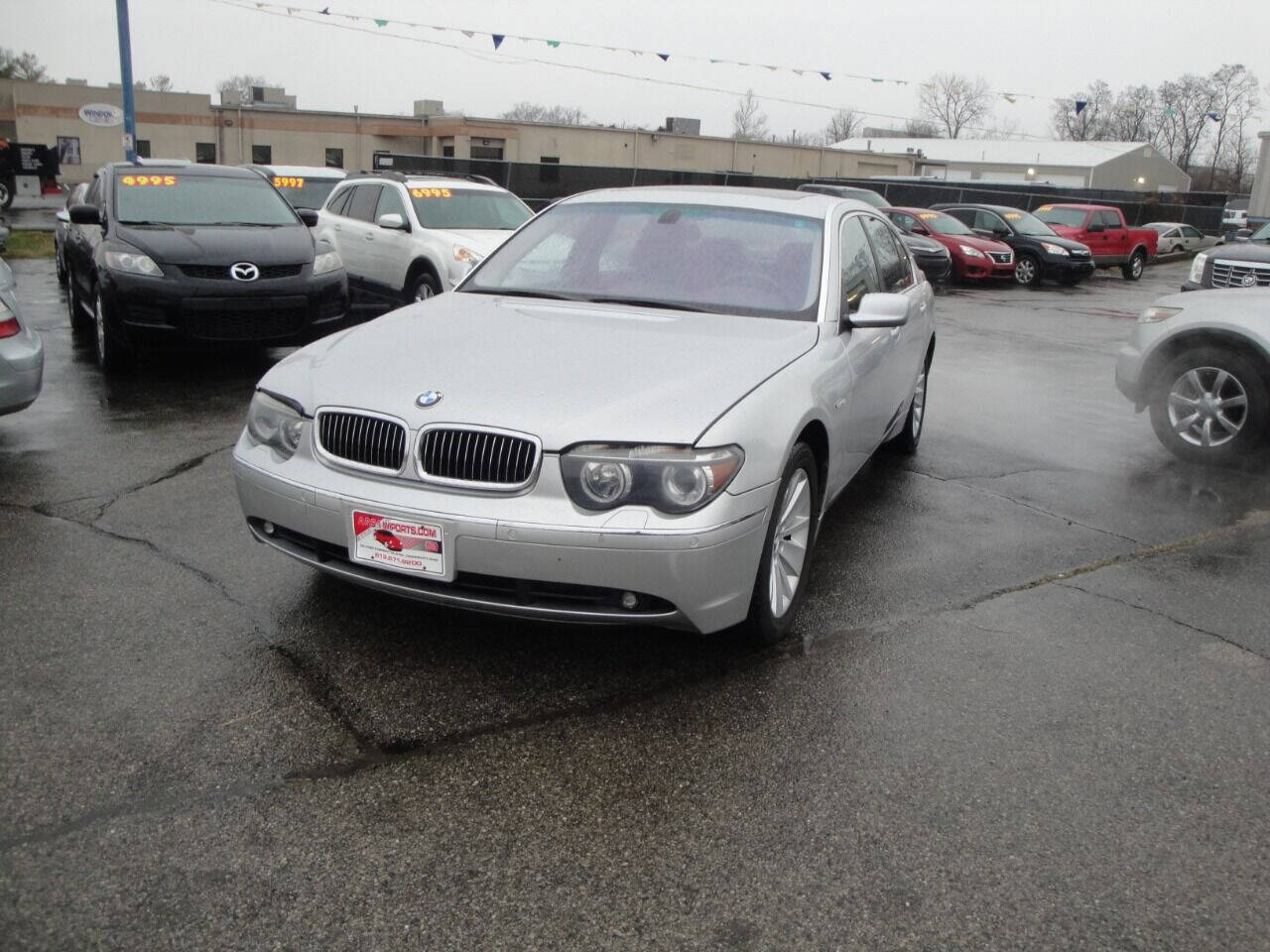

2002 BMW 7 Series
The 2002 BMW 7 Series, codenamed the E65/E66 generation, marked a radical departure from its predecessors, ushering in a new era of automotive design and technology for BMW. This generation, particularly the E65 (standard wheelbase) and E66 (long wheelbase), was built upon BMW's commitment to luxury, performance, and innovation, albeit with a design that proved polarizing.
Highlights
- Engine Powerhouse: The 2002 7 Series offered a range of potent engines, primarily V8 and V12 options, that delivered smooth, effortless power and confident acceleration.
- 745i: Featured a 4.4-liter V8 engine, producing ample horsepower and torque for spirited driving.
- 760i (available later in the generation): Boasted a magnificent 6.0-liter V12 engine, offering unparalleled refinement and effortless, limousine-like power delivery.
- Groundbreaking Technology & Safety: This generation was a technological tour de force for its time, packed with innovative features designed to enhance both driving dynamics and occupant safety.
- iDrive Infotainment System: A pioneering, albeit often criticized, centralized control system for navigation, climate, audio, and other vehicle functions. It aimed to reduce dashboard clutter by consolidating controls into a single dial and screen.
- Adaptive Headlights: These headlights could swivel in the direction of travel, improving visibility around corners and enhancing safety during nighttime driving.
- Park Distance Control (PDC): Employed ultrasonic sensors to alert the driver to nearby obstacles, making parking easier and safer.
- Dynamic Stability Control (DSC): A sophisticated electronic system that actively intervenes to prevent skids and maintain traction, significantly enhancing overall vehicle stability.
- Multiple Airbags: The 7 Series was equipped with a comprehensive suite of airbags, including front, side-impact, and curtain airbags, to protect occupants in the event of a collision.
- Trim Levels - A Study in Sophistication: While not formally designated with distinct trim names like "Luxury" or "Sport" in the traditional sense, the 2002 7 Series was characterized by its inherent level of opulence and the availability of extensive optional packages.
- Standard 7 Series (E65): Focused on delivering a luxurious experience with a comfortable ride, advanced technology, and powerful engine options.
- 7 Series Long Wheelbase (E66): Offered enhanced rear-seat legroom, making it an even more appealing choice for those prioritizing passenger comfort, particularly for chauffeured use.
- Aluminum Spaceframe Construction: BMW utilized an innovative mixed-material approach, incorporating aluminum into the body structure. This contributed to a lighter yet stiffer chassis, improving handling and fuel efficiency.
- Air Suspension: Many models featured adaptive air suspension, which automatically adjusted ride height and damping for optimal comfort and dynamic handling across various road conditions.
What to Expect
Owning a 2002 BMW 7 Series is an experience steeped in luxury and cutting-edge technology for its era. Expect a refined driving experience characterized by a quiet and comfortable cabin, powerful acceleration, and confident handling. The iDrive system, while innovative, requires a learning curve and can be a significant part of the ownership experience.
Maintenance: As a high-performance luxury sedan from 2002, expect maintenance costs to be higher than average. Routine maintenance, such as oil changes, filter replacements, and brake services, will be more expensive due to the specialized nature of the vehicle and the parts required. Be prepared for potentially significant repair costs if more complex systems, such as the iDrive, electronics, or the V12 engine, require attention. Regular servicing at a BMW specialist or dealership is highly recommended to keep the vehicle in optimal condition and prevent minor issues from becoming major ones.
Insurance: Insurance premiums for a 2002 BMW 7 Series will likely be higher than for a more common vehicle. This is due to the vehicle's luxury status, powerful engines, advanced technology, and the cost of parts and repairs. Factors such as your driving record, age, location, and the specific insurance coverage you choose will influence the final premium.
Potential Considerations
- iDrive System Intuitiveness: The iDrive system, while technologically advanced, was a significant departure from conventional controls and can be a point of contention for some drivers. Its learning curve can be steep, and some may find it less intuitive than physical buttons.
- Complexity of Systems: The sheer volume of electronic and mechanical systems in the 2002 7 Series means there are more potential points of failure. Issues with the infotainment, suspension, or other electronic modules can be costly to diagnose and repair.
- Fuel Consumption: The powerful V8 and V12 engines, while offering impressive performance, can be thirsty. Expect less-than-stellar fuel economy, especially in urban driving conditions.
- Design Divisiveness: The controversial "flame surfacing" design language introduced by Chris Bangle was a stark departure from BMW's traditional styling. While some appreciated its boldness, others found it polarizing and unattractive, which might affect resale appeal for some buyers.
Overall Summary
The 2002 BMW 7 Series (E65/E66) represented a bold leap into the future of automotive luxury and technology. It offered a potent combination of powerful engines, a supremely comfortable ride, and an array of innovative features that set it apart from its contemporaries. While its challenging iDrive system and complex electronics require diligent maintenance and can lead to higher ownership costs, for those seeking a technologically advanced, luxurious, and uniquely styled German sedan from its era, the 2002 7 Series remains a compelling, albeit demanding, proposition.