2000 Subaru Outback: A Comprehensive Overview
The 2000 Subaru Outback cemented its reputation as a capable and versatile all-wheel-drive wagon, offering a blend of car-like comfort with SUV-like utility. It appealed to a wide range of buyers looking for a dependable vehicle for everyday commuting and weekend adventures.
Highlights
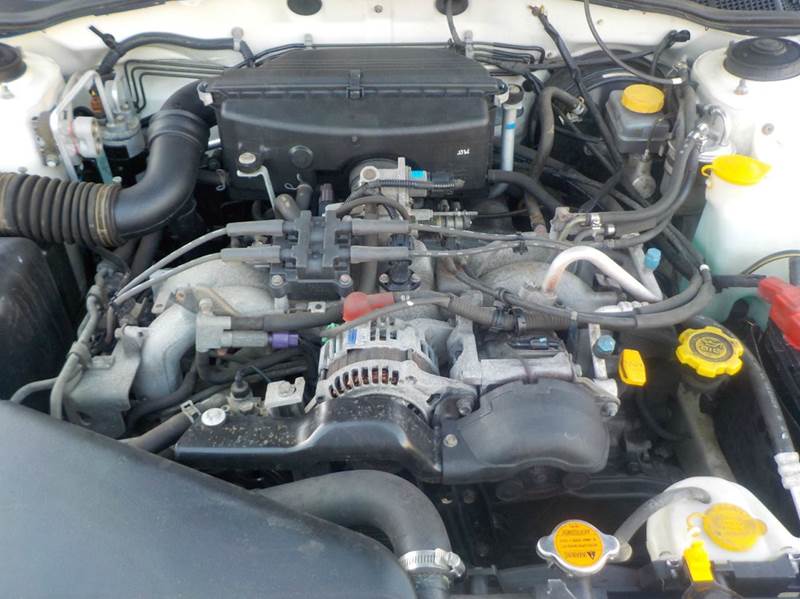
- Engine: The 2000 Outback was powered by Subaru's signature 2.5-liter horizontally opposed (flat) four-cylinder engine. This engine produced around 165 horsepower, providing adequate power for daily driving and confident acceleration, especially when combined with the standard All-Wheel Drive system.
- Safety Features:
- Standard All-Wheel Drive (AWD): This is a cornerstone feature of the Outback, providing enhanced traction and stability in various weather conditions, including rain, snow, and ice. It automatically distributes power between the front and rear wheels, optimizing grip.
- Anti-lock Braking System (ABS): ABS prevents wheel lock-up during hard braking, allowing the driver to maintain steering control and reducing the stopping distance on slippery surfaces.
- Front-Impact Airbags: Standard driver and passenger front airbags provided crucial protection in frontal collisions.
- Optional Side-Impact Airbags: Higher trims could be equipped with optional side-impact airbags, offering additional protection for occupants in side collisions.
- Daytime Running Lights: These lights improve the vehicle's visibility to other road users, especially in low-light conditions.
- Trims: The 2000 Outback was offered in two primary trims:
- Outback Limited: This premium trim provided a more refined experience with features like leather upholstery, heated front seats, a premium audio system, and alloy wheels. It aimed at buyers seeking a more comfortable and feature-rich ride.
- Outback: The base model offered a solid foundation of the Outback's core capabilities, including the All-Wheel Drive system and essential safety features, making it a more value-oriented option.
- Other Notable Aspects:
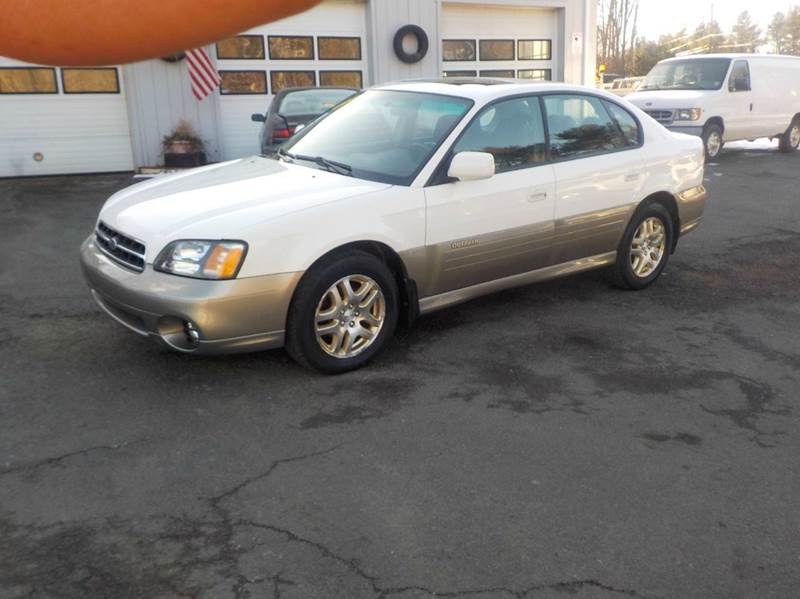
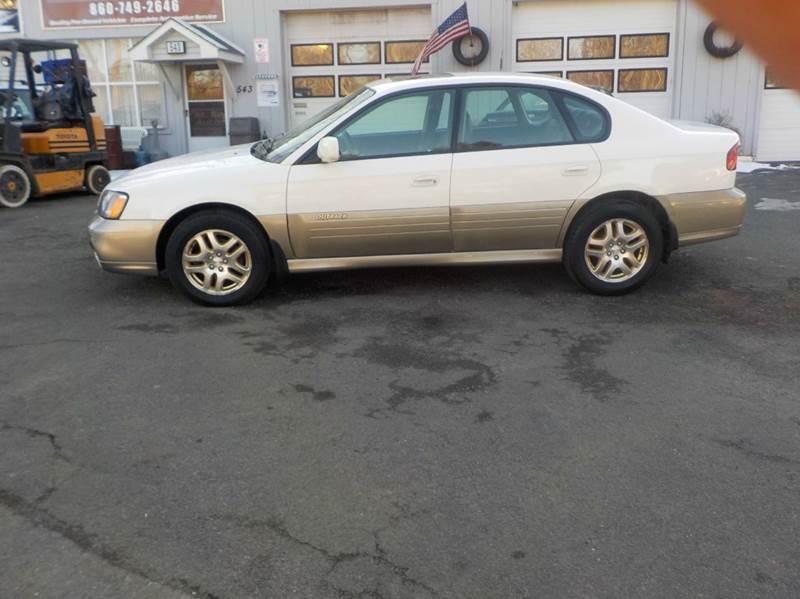
- Increased Ground Clearance: Compared to a standard wagon, the Outback boasted increased ground clearance, allowing it to navigate unpaved roads and light off-road trails with greater confidence.
- Spacious Interior and Cargo Capacity: The Outback offered a surprisingly roomy cabin for its class, with comfortable seating for five and ample cargo space, making it suitable for families and those who frequently haul gear.
- Distinctive Styling: The Outback's unique body cladding, raised suspension, and rugged exterior treatment set it apart from conventional station wagons, signaling its adventurous spirit.
What to Expect
Owning a 2000 Subaru Outback typically involves a generally reliable and practical ownership experience. These vehicles are known for their longevity when properly maintained.
- Maintenance: Regular maintenance is key to keeping an Outback in good condition. This includes oil changes every 3,000-5,000 miles, checking and topping off all fluids, and regular inspections of brakes, tires, and suspension components. The timing belt is a critical maintenance item that typically needs to be replaced around every 90,000-105,000 miles, and neglecting this can lead to severe engine damage. Many owners also opt for fluid changes for the transmission and differential to ensure the smooth operation of the AWD system.
- Insurance: Insurance costs for a 2000 Subaru Outback will vary based on your location, driving record, the specific trim level, and the insurance provider. However, as a Subaru known for its safety and AWD, it's generally considered a reasonably priced vehicle to insure. Factors like theft rates and accident history in your area will also play a role.
Potential Considerations
While the 2000 Outback is a solid vehicle, potential buyers should be aware of a few common points:
- Head Gasket Issues: A known potential issue with this generation of Subaru engines, including the 2.5-liter, is the possibility of internal or external coolant leaks from the head gaskets. While not every Outback will experience this, it's a relatively common and potentially expensive repair if it occurs. Symptoms can include coolant loss, white smoke from the exhaust, or overheating.
- Rust: Like many vehicles from this era, particularly those driven in regions with harsh winters and salt on the roads, rust can be a concern, especially around wheel wells, rocker panels, and the undercarriage. Thorough inspection for rust is recommended.
- Oil Consumption: Some owners report that the 2.5-liter engine can consume a small amount of oil between changes, so regularly checking the oil level is advisable.
- Interior Wear and Tear: Given the age of the vehicle, expect some wear and tear on interior components such as seat fabric, dashboard materials, and door panels. Creaks and rattles can also develop over time.
Overall Summary
The 2000 Subaru Outback stands out as a practical, capable, and versatile all-wheel-drive wagon. Its standard AWD system, increased ground clearance, and spacious interior made it an excellent choice for those seeking a vehicle that could handle diverse weather conditions and light off-road excursions while still offering a comfortable ride for daily commutes. While potential buyers should be aware of common maintenance items like the timing belt and the possibility of head gasket issues, a well-maintained 2000 Outback remains a reliable and enjoyable vehicle that offers a unique blend of utility and adventure.