

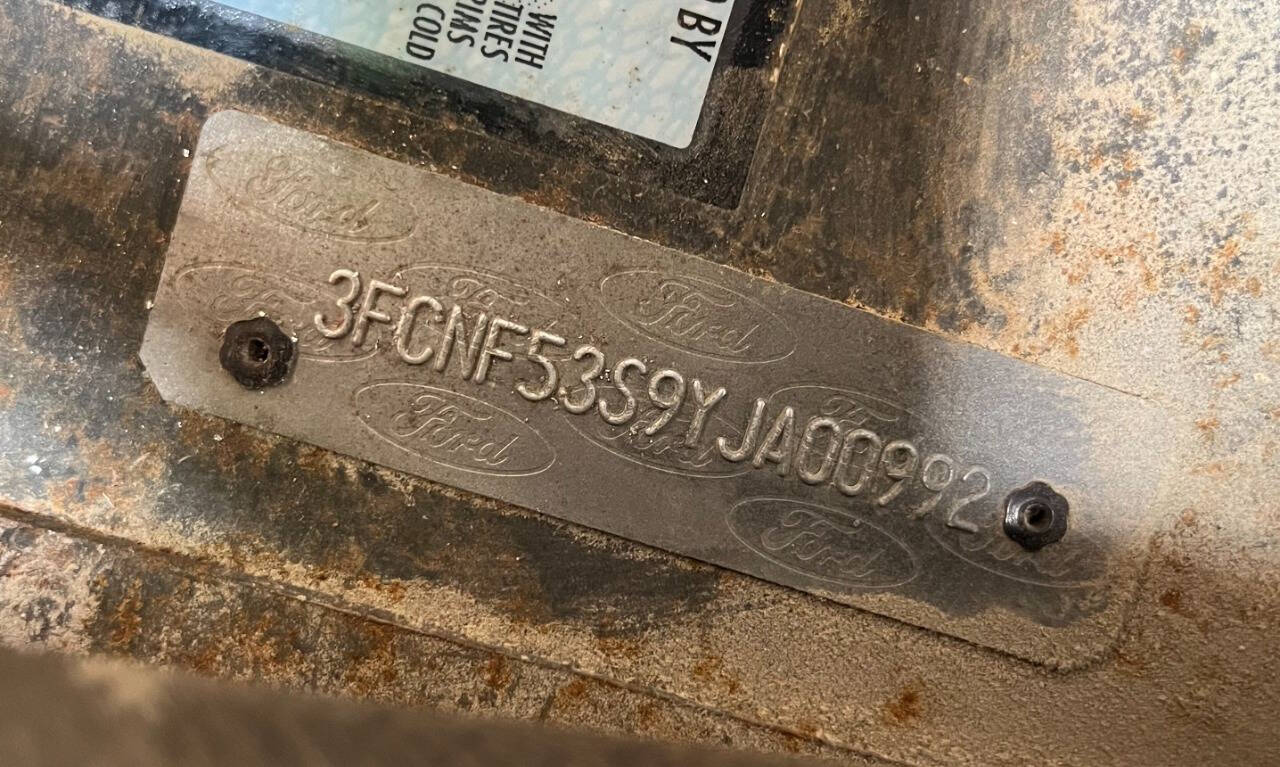
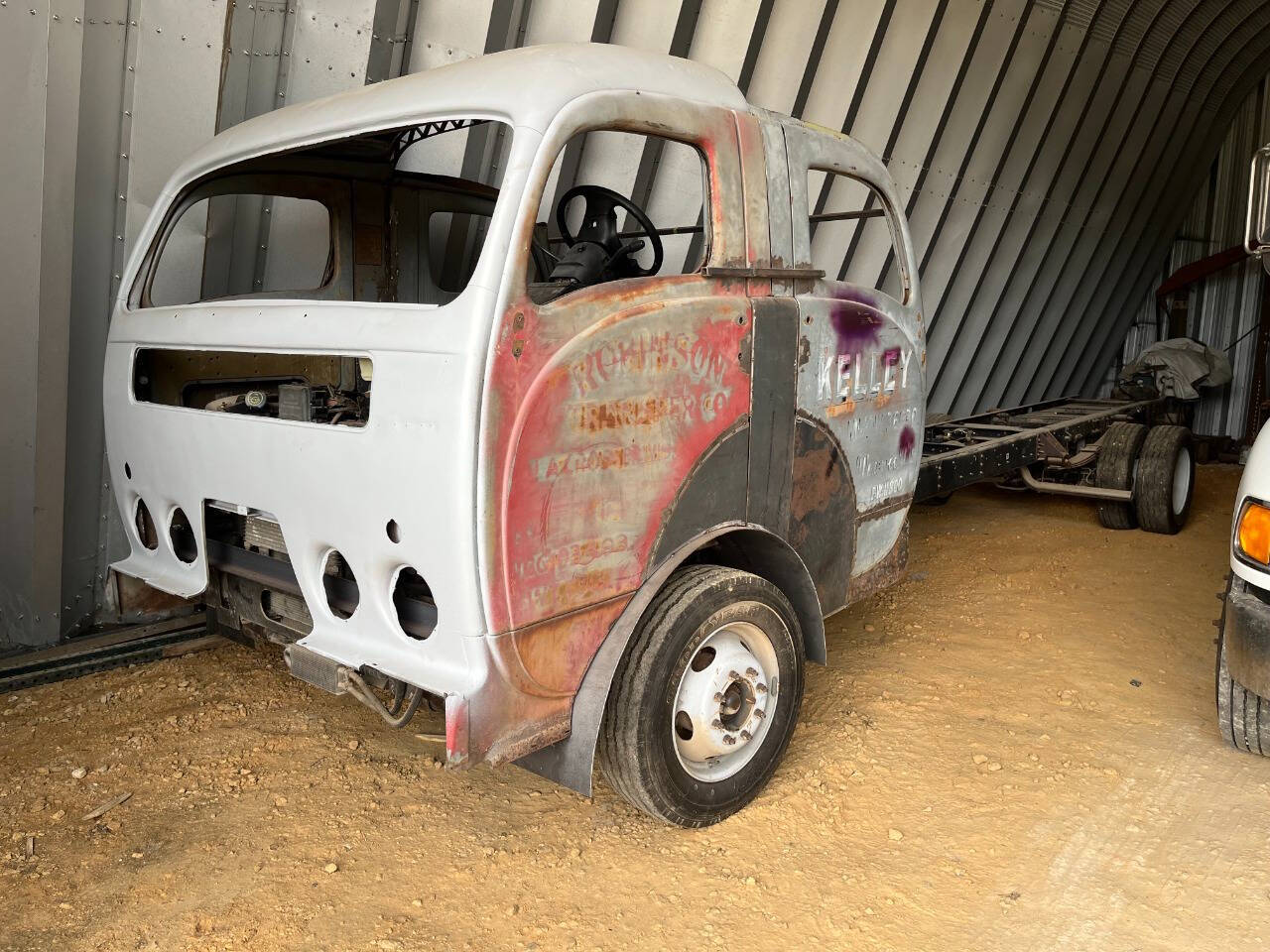
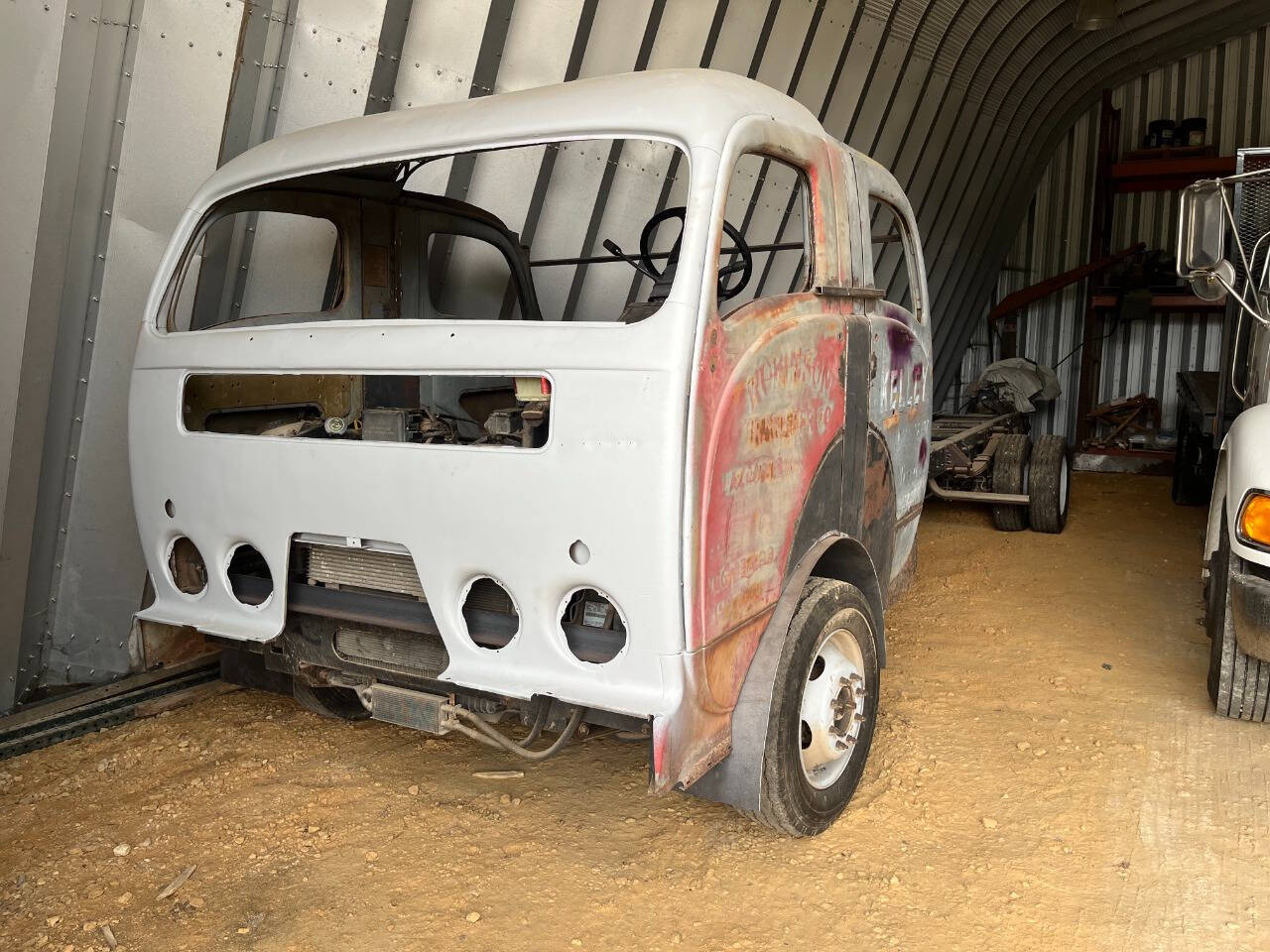
2000 Ford Motorhome Chassis
The 2000 Ford Motorhome Chassis served as the foundation for a vast array of Class A motorhomes from numerous manufacturers. Built with the robustness and reliability Ford is known for, these chassis provided a capable and comfortable platform for travelers and adventurers.
Highlights
- Engine Options: The primary engine offered was the 5.4L Triton V8. This gasoline engine provided a good balance of power and fuel efficiency for its time, suitable for hauling the weight of a motorhome. For those seeking more grunt, a 6.8L Triton V10 was also available. The V10 offered significantly more horsepower and torque, making it a better choice for heavier motorhomes or those frequently traveling through mountainous terrain. Both engines were known for their relatively smooth operation and durability.
- Safety Features:
- Four-Wheel Anti-lock Braking System (ABS): ABS is crucial for motorhomes, especially when fully loaded. It prevents wheel lock-up during hard braking, allowing the driver to maintain steering control and reduce stopping distances on various road surfaces.
- Driver and Passenger Airbags: While standard airbags were present, it's important to note that in the year 2000, airbag technology was still evolving. These airbags provided an added layer of protection in frontal impacts.
- Front and Rear Stabilizer Bars: These bars help reduce body roll during cornering and when encountering crosswinds. This significantly improves handling stability and driver confidence, particularly important for a vehicle with a high center of gravity like a motorhome.
- Daytime Running Lamps: These lights enhance the visibility of the chassis during daylight hours, increasing safety by making the vehicle more noticeable to other road users.
- Trim Summary (Chassis Variants): Ford typically offered different Gross Vehicle Weight Ratings (GVWR) for their motorhome chassis to accommodate various motorhome sizes and configurations. While not "trims" in the traditional automotive sense, these were crucial distinctions:
- F53 (Standard Duty): This designation typically represented the base motorhome chassis, suitable for lighter to mid-weight Class A motorhomes.
- F53 (Heavy Duty): Ford offered heavier-duty variants of the F53 chassis, often with higher GVWRs, designed to support larger, more amenity-rich motorhomes that carried more weight in terms of appliances, tanks, and living quarters.
- Other Notable Aspects:
- Robust Construction: The chassis was built with heavy-duty components, including a strong frame and suspension, designed to withstand the rigors of long-distance travel and the significant weight of a fully equipped motorhome.
- Ample Towing Capacity: The chassis offered good towing capabilities, allowing owners to bring along a car or trailer for local transportation once parked at their destination.
- Generous Turning Radius: While a large vehicle, Ford engineered these chassis with a focus on maneuverability, providing a reasonably tight turning radius for its size, which is a significant advantage when navigating campgrounds and tight city streets.
What to Expect
Owning a 2000 Ford Motorhome Chassis typically involves a straightforward ownership experience, largely dictated by the quality of the motorhome built upon it.
- Typical Ownership Experience: Expect a solid and dependable platform. These chassis are known for their longevity when properly maintained. The driving experience will feel like a truck, with a higher seating position and a commanding view of the road. Comfort will vary significantly based on the motorhome manufacturer's build quality, insulation, and interior amenities. Fuel economy will be a consideration, as these gasoline engines, especially the V10, are not known for sipping fuel, particularly when under load.
- Maintenance: Regular maintenance is key to ensuring the longevity of any vehicle, and this chassis is no exception. Expect routine oil changes, filter replacements, and checks of all fluid levels. The Triton engines are generally accessible for servicing. Brake components, suspension parts, and exhaust systems will be subject to wear and tear, especially with consistent use. It's advisable to find a mechanic familiar with heavy-duty truck or RV chassis maintenance, as not all standard auto shops may be equipped or experienced.
- Insurance: Insuring a Class A motorhome built on a 2000 Ford chassis is generally straightforward. You'll need to obtain RV insurance, which will consider the chassis's age, the motorhome's overall value, and your driving history. Expect premiums to be higher than a standard passenger vehicle due to the significant value and size of the RV.
Potential Considerations
While the 2000 Ford Motorhome Chassis is a capable unit, there are a few potential considerations buyers should be aware of:
- Age-Related Wear and Tear: As a 2000 model year vehicle, components may be showing signs of age. Rubber hoses, seals, and bushings can degrade over time and may require replacement. Inspecting the chassis thoroughly for any signs of rust, especially on the frame and exhaust system, is important.
- Fuel Consumption: As mentioned, fuel economy is a significant factor. Expect fuel consumption to be in the single digits (miles per gallon) when towing or driving at highway speeds with a loaded motorhome, especially with the V10 engine.
- Ride Comfort: While the chassis is robust, the ride can be firm. The suspension is designed for carrying heavy loads, so it may not offer the plush ride of a modern luxury vehicle. Many owners opt for aftermarket suspension enhancements to improve ride quality and reduce body roll further.
- Braking Performance (Under Load): While ABS is present, the braking performance will be directly related to the weight of the motorhome and the condition of the brakes. Regular inspection and maintenance of the braking system are critical for safety.
- Technology and Features: Being a 2000 model, the chassis will lack modern driver-assistance technologies found in newer vehicles, such as adaptive cruise control, lane departure warnings, or advanced infotainment systems.
Overall Summary
The 2000 Ford Motorhome Chassis represents a dependable and strong foundation for Class A motorhomes. Its robust construction, proven Triton V8 and V10 engine options, and standard safety features made it a popular choice for motorhome manufacturers and owners alike. While age-related considerations and fuel consumption are factors to acknowledge, with proper maintenance, these chassis can continue to provide reliable service for many years, offering a platform for countless adventures.