

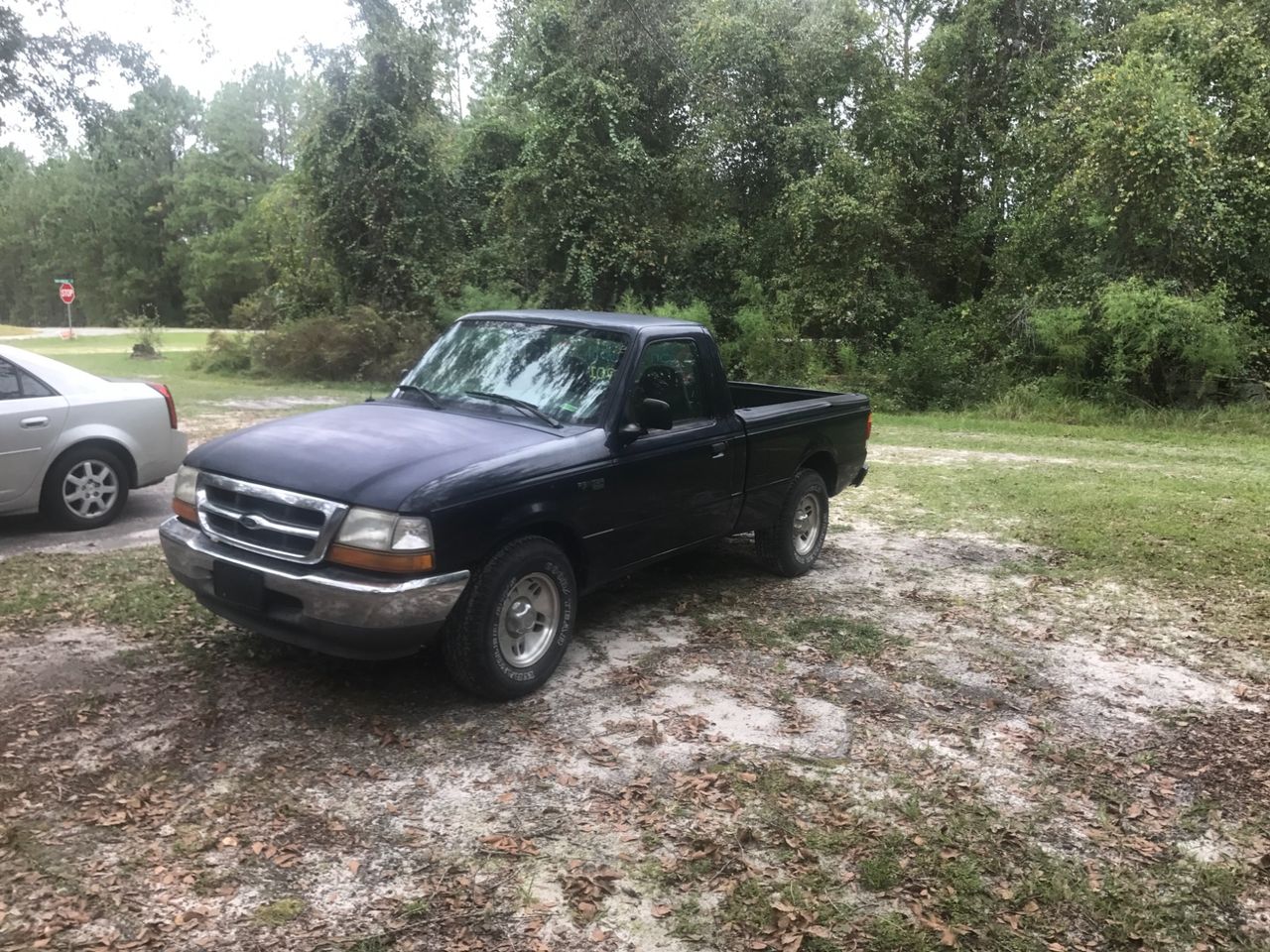
1999 Ford Ranger Overview
The 1999 Ford Ranger represented a significant step forward for Ford's compact pickup truck, offering a blend of capability, refinement, and a more modern design following its substantial redesign in 1998. It continued its legacy as a popular choice for those seeking a versatile and dependable truck for work and recreation.
Highlights
- Engine Options: The 1999 Ranger offered a range of capable powertrains to suit various needs:
- 2.5L I4: This engine provided a good balance of fuel efficiency and adequate power for everyday tasks and lighter hauling.
- 3.0L V6 Vulcan: A step up in power, this V6 offered more robust performance for increased towing and hauling capacities.
- 4.0L V6 Cologne: The most powerful option, this larger V6 delivered strong acceleration and superior towing capability, making it ideal for heavier workloads.
- Safety Features: While compact trucks of this era had simpler safety offerings compared to modern vehicles, the 1999 Ranger included:
- Driver and Passenger Front Airbags: Standard on all models, providing essential frontal impact protection.
- Anti-lock Braking System (ABS): Available on many models, ABS helps prevent wheel lock-up during hard braking, allowing the driver to maintain steering control.
- High-Mounted Rear Stop Lamp: Improves visibility for following drivers when braking.
- Trim Levels: The 1999 Ranger was available in several distinct trim levels, catering to different buyer priorities:
- XL: The base model, offering essential functionality and a no-frills approach for budget-conscious buyers.
- Sport: Added some cosmetic enhancements and often included a few more comfort and convenience features over the XL.
- Edge: Positioned as a more lifestyle-oriented trim, often featuring distinctive styling cues, upgraded suspension, and sometimes 4WD.
- Tremor: A sport-tuned, performance-oriented trim for the 1999 model year, featuring a more aggressive suspension setup and unique styling.
- Chassis and Drivetrain: The Ranger was built on a body-on-frame chassis, providing the ruggedness and durability expected from a pickup truck. Buyers could choose between rear-wheel drive (RWD) for better fuel economy in everyday driving or four-wheel drive (4WD) for enhanced traction in slippery conditions and off-road capability.
- Compact Size: Its relatively compact dimensions made it maneuverable in urban environments and easier to park compared to larger trucks.
What to Expect
Ownership of a 1999 Ford Ranger generally involves a straightforward and dependable experience, particularly for models that have been well-maintained.
- Typical Ownership Experience: Owners can expect a truck that is reliable for daily commuting, light to moderate hauling, and weekend projects. Its compact size contributes to ease of use, and the driving experience is that of a traditional, body-on-frame truck – sturdy and functional. With the available V6 engines, it can handle towing small trailers or boats.
- Maintenance: Routine maintenance is typically straightforward and parts are widely available. Common tasks include oil changes, filter replacements, brake service, and tire rotations. As these trucks age, expect to address potential wear-and-tear items such as suspension components (shocks, ball joints), exhaust systems, and possibly fuel pumps or ignition system parts depending on mileage and previous care.
- Insurance: Insurance costs for a 1999 Ford Ranger are generally modest, especially when compared to newer or larger vehicles. Premiums will vary based on your location, driving record, chosen coverage levels, and the specific trim and engine of the Ranger.
Potential Considerations
While the 1999 Ranger is a solid choice, prospective buyers should be aware of a few potential drawbacks:
- Interior Refinement: Compared to modern trucks, the interior can feel somewhat utilitarian and less refined. Materials may show wear, and the sound insulation might not be as effective, leading to more road and engine noise.
- Aging Technology: As a 1999 vehicle, it lacks many of the advanced technology and infotainment features found in contemporary vehicles. This includes things like navigation systems, rearview cameras, advanced driver-assistance systems, and Bluetooth connectivity.
- Rust: Like many vehicles of this era, especially those driven in areas with snow and salt, rust can be a significant concern. Thoroughly inspect the frame, rocker panels, wheel wells, and the truck bed for signs of corrosion.
- Ride Quality: The ride can be firm, especially in base models or when unloaded, which is typical for trucks designed for hauling.
- Limited Cabin Space: While offering passenger seating, the cabin is compact, especially in the regular cab configurations, and rear-seat legroom in extended cabs can be limited.
Overall Summary
The 1999 Ford Ranger stands as a testament to Ford's success in the compact pickup truck market. It offers a compelling combination of mechanical robustness, a choice of capable powertrains, and a straightforward, dependable ownership experience. While it may lack modern amenities and refinement, its inherent practicality, versatility, and the availability of 4WD make it an attractive option for those seeking a capable workhorse or an affordable vehicle for light to moderate hauling and recreational use, provided it has been well-maintained and rust is not a significant issue.