

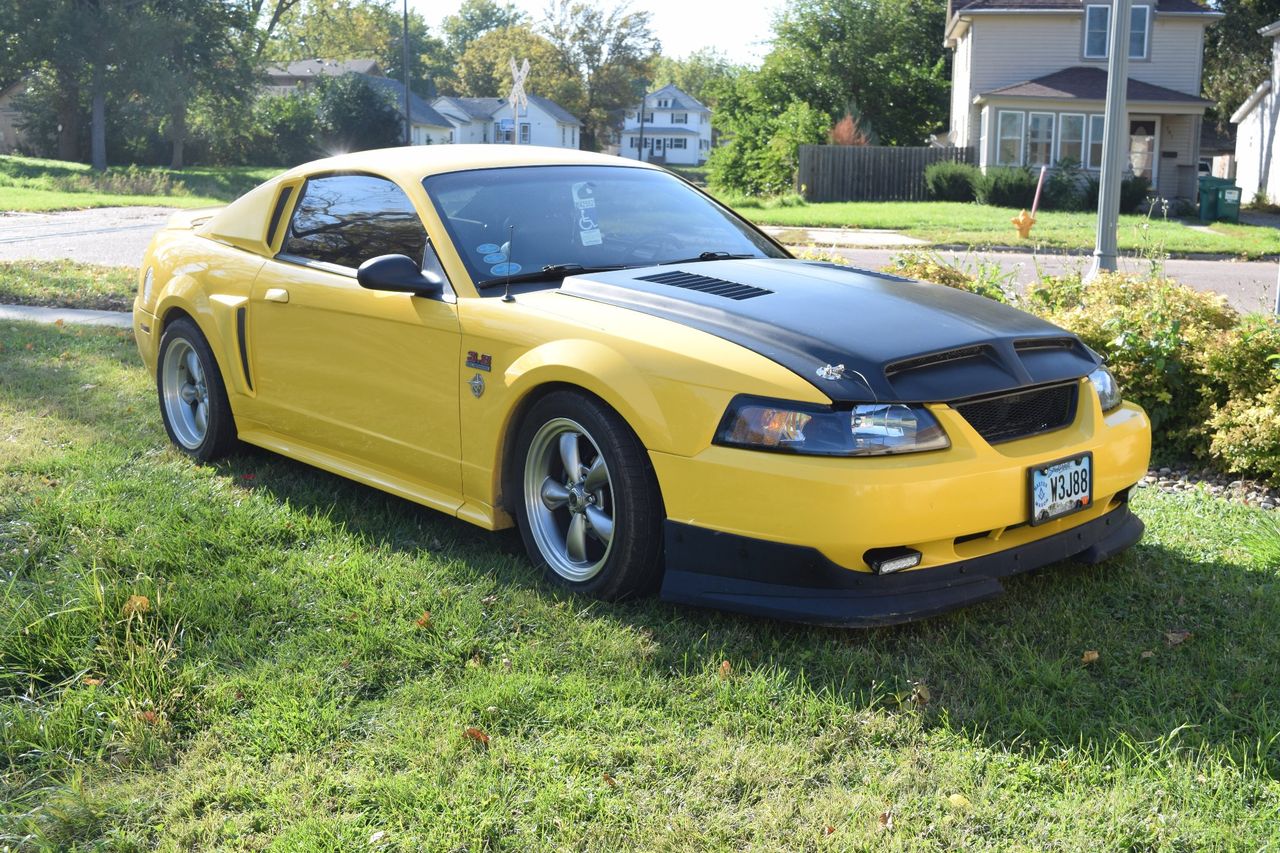
1999 Ford Mustang
The 1999 Ford Mustang marked a significant revitalization for the iconic pony car, introducing a dramatically refreshed exterior and a host of engineering improvements under the "New Edge" styling. This generation aimed to recapture the sporty spirit of Mustangs past while modernizing it for the late 90s.
Highlights
- Engines:
- 3.8L OHV V6: The standard engine offered a respectable 190 horsepower and 220 lb-ft of torque. It provided adequate performance for daily driving and a more fuel-efficient option.
- 4.6L SOHC V8 (New Edge GT): This legendary engine delivered a potent 260 horsepower and 295 lb-ft of torque, offering a much more exhilarating driving experience and the classic Mustang V8 rumble.
- Safety Features:
- Driver and Passenger Front Airbags: Standard on all models, providing crucial frontal impact protection.
- Anti-lock Braking System (ABS): Available on some trims and optional on others, ABS prevents wheel lock-up during hard braking, allowing the driver to maintain steering control and reduce stopping distances on slippery surfaces.
- Three-Point Seatbelts: Standard for all occupants, designed to distribute crash forces across the stronger parts of the body.
- Trims:
- Mustang (Base): The entry-level model, typically featuring the V6 engine, standard safety features, and a focus on affordability and basic transportation.
- Mustang GT: This was the performance-oriented trim, powered by the robust 4.6L V8, often including sportier suspension tuning, larger wheels, and aerodynamic enhancements for a more aggressive stance and improved handling.
- Mustang Cobra (SVT): The pinnacle of the 1999 Mustang lineup, meticulously engineered by Ford's Special Vehicle Team (SVT). The Cobra boasted a more powerful 4.6L DOHC "Terminator" V8 with 320 horsepower, a stiffer chassis, improved suspension (including a groundbreaking independent rear suspension), Brembo brakes, and distinctive styling cues.
- "New Edge" Styling: The 1999 model year introduced a completely revised exterior. The sharp, angular lines and aggressive front fascia gave the Mustang a much more modern and muscular appearance, a departure from the softer lines of the previous generation.
- Improved Handling: Ford made significant chassis and suspension refinements, particularly for the GT and Cobra models, resulting in more composed handling and a more engaging driving experience.
What to Expect
Owning a 1999 Ford Mustang is generally characterized by a driving experience that balances spirited performance with the practicalities of a daily driver, especially in V6 models. GT and Cobra owners can expect a more visceral connection to the road and a noticeable surge of power.
- Maintenance: As with any vehicle of this age, expect to encounter routine maintenance like oil changes, brake replacements, and tire rotations. The V8 engines, particularly the 4.6L, are generally considered reliable, but like any performance-oriented component, they can be more costly to repair than their V6 counterparts. Specific common maintenance items might include spark plugs, ignition coils (especially on the V8s), and suspension components. Accessing some components can be a bit tighter in the engine bay, especially on the V8, which might influence DIY versus professional servicing.
- Insurance: Insurance costs for a 1999 Mustang, especially the GT and Cobra trims, can be higher than for a typical sedan due to their sporty nature, higher performance potential, and the likelihood of being driven more aggressively. Factors like driver age, driving record, and location will significantly impact premiums.
Potential Considerations
While the 1999 Mustang offers a compelling package, potential buyers should be aware of a few common points:
- Interior Quality: While the exterior styling was a major leap forward, the interior design and materials might feel a bit dated by modern standards. Some plastic surfaces can show wear over time, and the ergonomics, while generally good, may not be as refined as newer vehicles.
- Rear Seat Space: Like most coupes, the rear seating is best suited for children or short trips for adults. Legroom and headroom are somewhat limited.
- Build Quality Variances: As with many mass-produced vehicles, there can be minor variations in build quality. Inspecting the car thoroughly for panel gaps, paint imperfections, and interior fit-and-finish is advisable.
- Potential for Abuse (Performance Models): GT and Cobra models were often driven enthusiastically. It's crucial to find a well-maintained example, ideally with service records, to ensure the powertrain and chassis haven't been subjected to excessive abuse.
- Wiring and Electrical Gremlins: Older vehicles can sometimes develop minor electrical issues. While not a widespread problem, it's always a possibility to keep in mind for any car from this era.
Overall Summary
The 1999 Ford Mustang represented a successful rejuvenation of the Mustang nameplate. Its aggressive "New Edge" styling, combined with improved performance and handling (especially in GT and Cobra trims), made it a highly desirable car for enthusiasts. While the interior might show its age, the Mustang offered a potent blend of American muscle and sporty driving dynamics for its time, and well-maintained examples can still be a rewarding ownership experience for those seeking a classic pony car feel.