

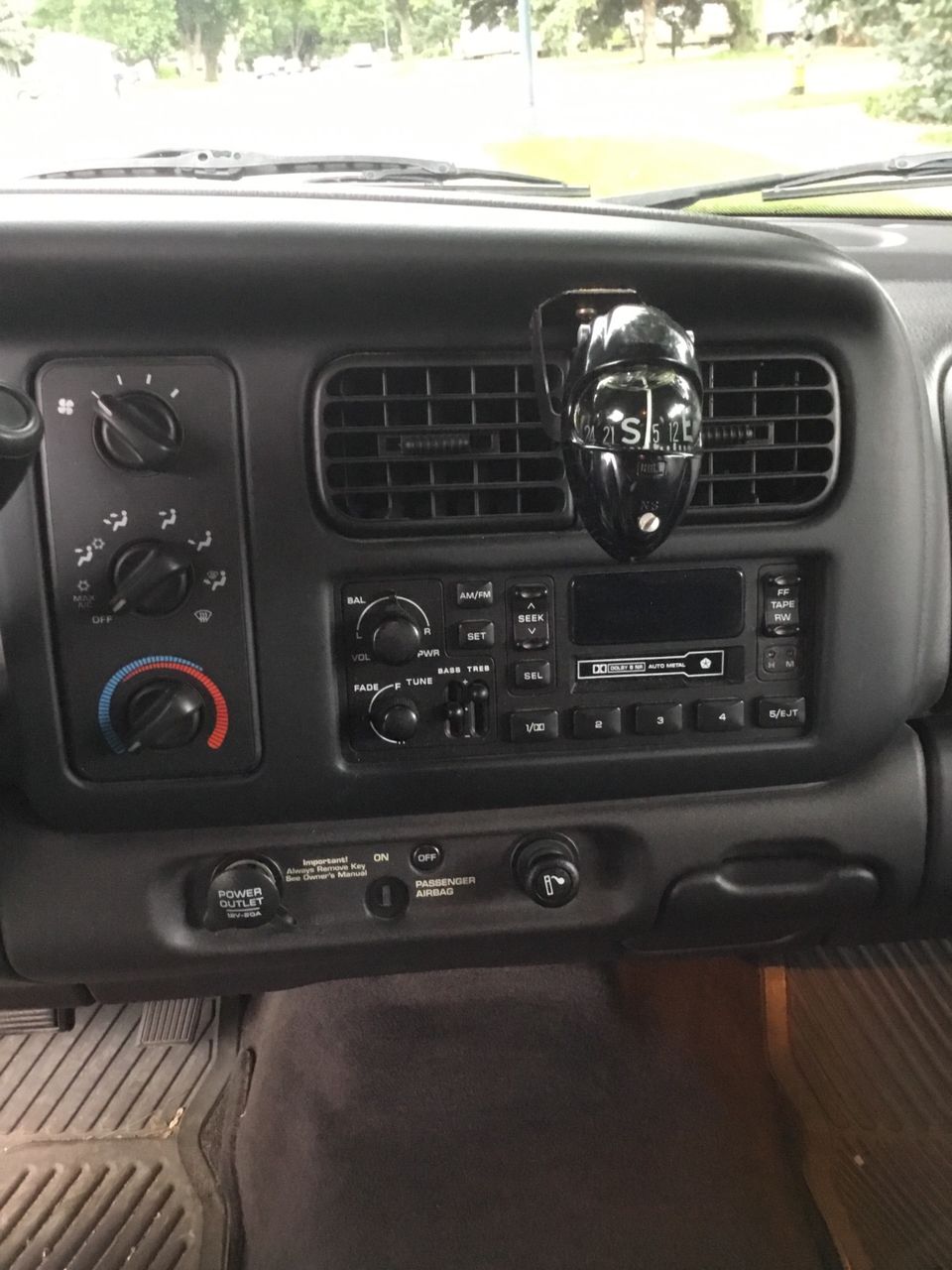
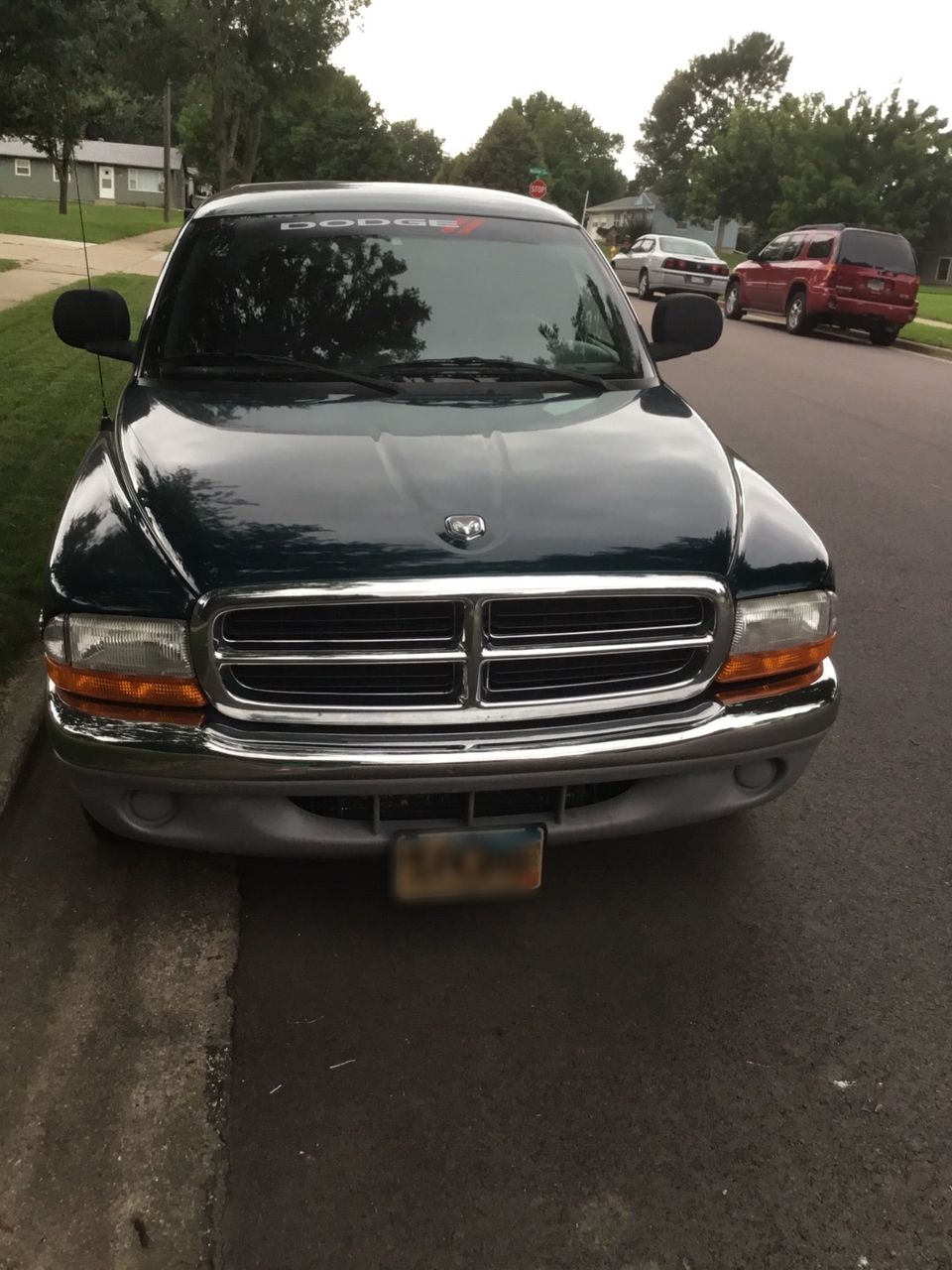
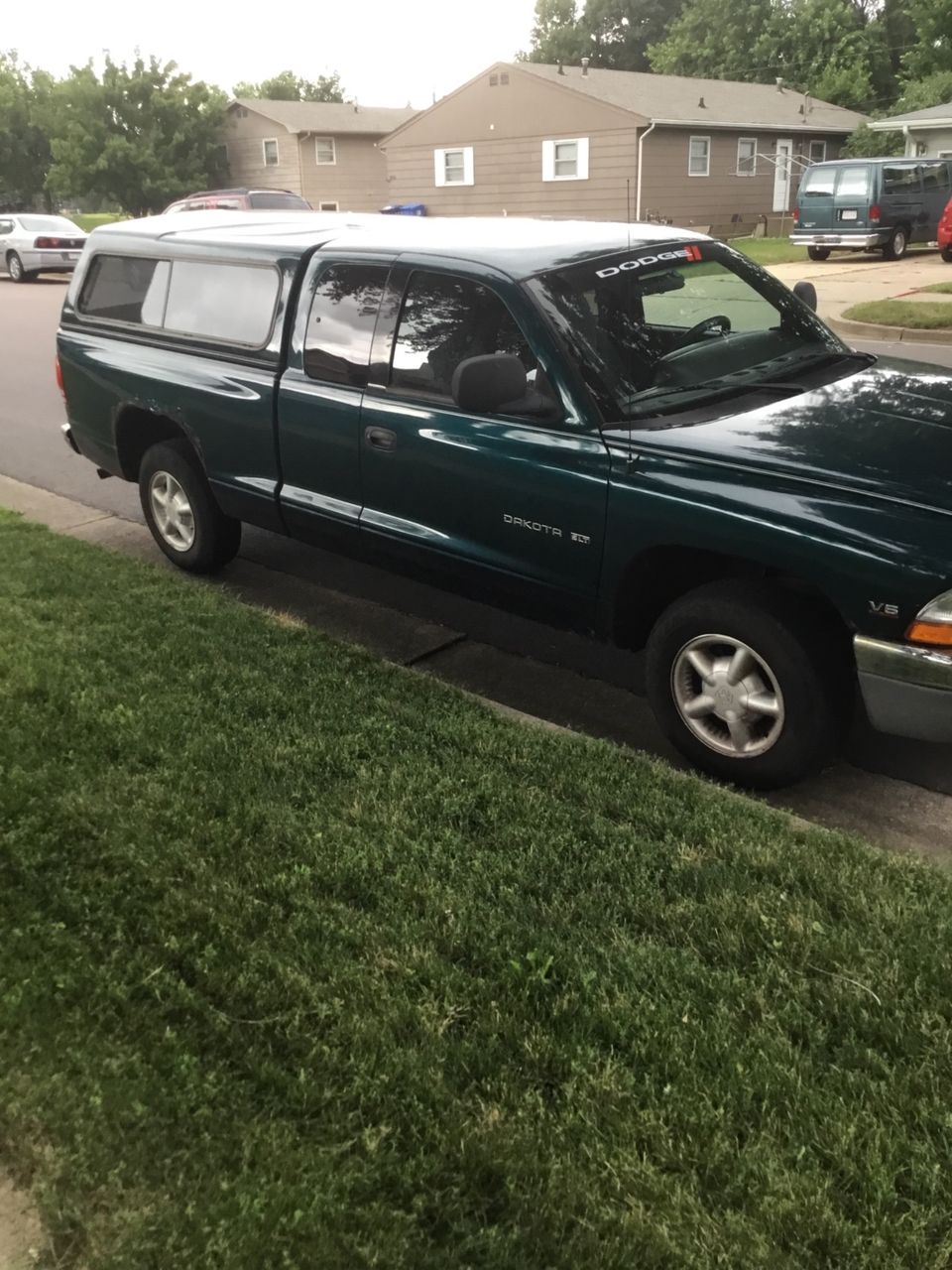
1998 Dodge Dakota
The 1998 Dodge Dakota represented a significant evolution for Dodge's compact pickup truck, offering a blend of car-like comfort and robust truck capability. It aimed to bridge the gap between smaller, more utilitarian compact trucks and larger, more demanding full-size pickups, making it a popular choice for those who needed versatility without the bulk of a Ram.
Highlights
- Engine Options: The '98 Dakota offered a range of powertrains to suit different needs.
- 2.5L Magnum: A capable four-cylinder engine, ideal for fuel efficiency and lighter hauling. It provided adequate power for daily driving and modest workloads.
- 3.9L Magnum V6: This was the workhorse of the Dakota lineup, delivering a healthy boost in power and torque for towing and carrying heavier loads. It offered a good balance between performance and efficiency.
- 5.2L Magnum V8: For those seeking maximum power and towing capability in the compact segment, the optional 5.2L V8 was a compelling choice. It provided significantly stronger acceleration and the muscle for more demanding tasks.
- Safety Features:
- Driver and Passenger Airbags: Standard on all models, these provided crucial frontal impact protection for occupants.
- Anti-lock Braking System (ABS): Available on certain trims or as an option, ABS helped prevent wheel lock-up during hard braking, allowing the driver to maintain steering control and reduce stopping distances on slippery surfaces.
- Collapsible Steering Column: Designed to absorb impact energy in a collision, reducing the risk of chest injuries to the driver.
- Body-on-Frame Construction: This traditional truck design offered inherent structural rigidity and durability, contributing to overall safety.
- Trim Summary:
- SLT: The base model, offering essential truck functionality with a focus on affordability and utility. It typically included a straightforward interior and the standard engine options.
- Sport: Positioned as a more visually appealing and slightly more equipped trim, the Sport often featured body-colored accents, upgraded wheels, and perhaps a few more interior amenities over the SLT.
- ES: The top-tier trim, the ES provided a more premium experience with enhanced interior appointments, potentially including better upholstery, power accessories, and a more refined ride. It was the most comfortable and feature-rich option.
- Notable Aspects:
- Larger Cab Options: The Dakota offered both regular cab and the popular club cab (extended cab) configurations, providing valuable extra space for passengers or cargo behind the front seats.
- Payload and Towing Capacity: For its class, the Dakota offered respectable payload and towing capacities, especially with the V6 and V8 engines, making it a practical choice for light to medium-duty work and recreation.
- Comfortable Ride: Compared to many traditional compact trucks of its era, the Dakota was known for its relatively comfortable and car-like ride quality, making it more enjoyable for daily commuting.
What to Expect
Owning a 1998 Dodge Dakota typically means experiencing a truck that balances utility with a degree of everyday comfort. Owners often appreciate its capable performance, especially with the V6 or V8 engines, and its ability to handle a variety of tasks, from hauling groceries to weekend DIY projects.
- Maintenance: As with any vehicle from this era, regular maintenance is key to longevity. Expect to address routine items such as oil changes, filter replacements, brake inspections, and tire rotations. Given its age, potential owners should be prepared for the possibility of replacing wear-and-tear items like suspension components (shocks, bushings), exhaust systems, and possibly addressing minor electrical issues. The Magnum engines are generally considered robust, but routine servicing is paramount.
- Insurance: Insurance costs for a 1998 Dodge Dakota will vary significantly based on your location, driving record, age, coverage choices, and the specific trim and engine of the truck. Generally, as a pickup truck, it may have different rating factors than a car. Comprehensive and collision coverage will be more expensive than liability-only. It's advisable to get quotes from multiple insurance providers to find the best rate.
Potential Considerations
While the 1998 Dodge Dakota offers many positives, potential buyers should be aware of certain aspects:
- Rust: As a vehicle from the late 90s, rust is a common concern, particularly in areas with harsh winters or high humidity. Inspect the frame, rocker panels, wheel wells, and the truck bed thoroughly for any signs of corrosion.
- Interior Durability: The interior materials, especially on higher-mileage examples, may show signs of wear and tear. This could include faded dashboard plastics, worn seat upholstery, and potentially malfunctioning power window or lock mechanisms.
- Electrical Gremlins: While not universally problematic, older vehicles can sometimes develop minor electrical issues. This might manifest as intermittent problems with lights, sensors, or accessories.
- Transmission Longevity: While generally reliable, automatic transmissions in trucks from this era can be susceptible to wear over time, especially if the vehicle has been used for heavy towing or has not had its fluid regularly changed.
Overall Summary
The 1998 Dodge Dakota stands out as a capable and comfortable compact pickup truck that successfully blended practical utility with a more refined driving experience than many of its rivals. Offering a range of potent Magnum engines and available in various trims to suit different preferences, it provided a versatile platform for work and play. While potential buyers should be mindful of age-related wear and tear, particularly concerning rust and interior condition, a well-maintained 1998 Dakota can still be a rewarding vehicle for those seeking a dependable and user-friendly pickup.