

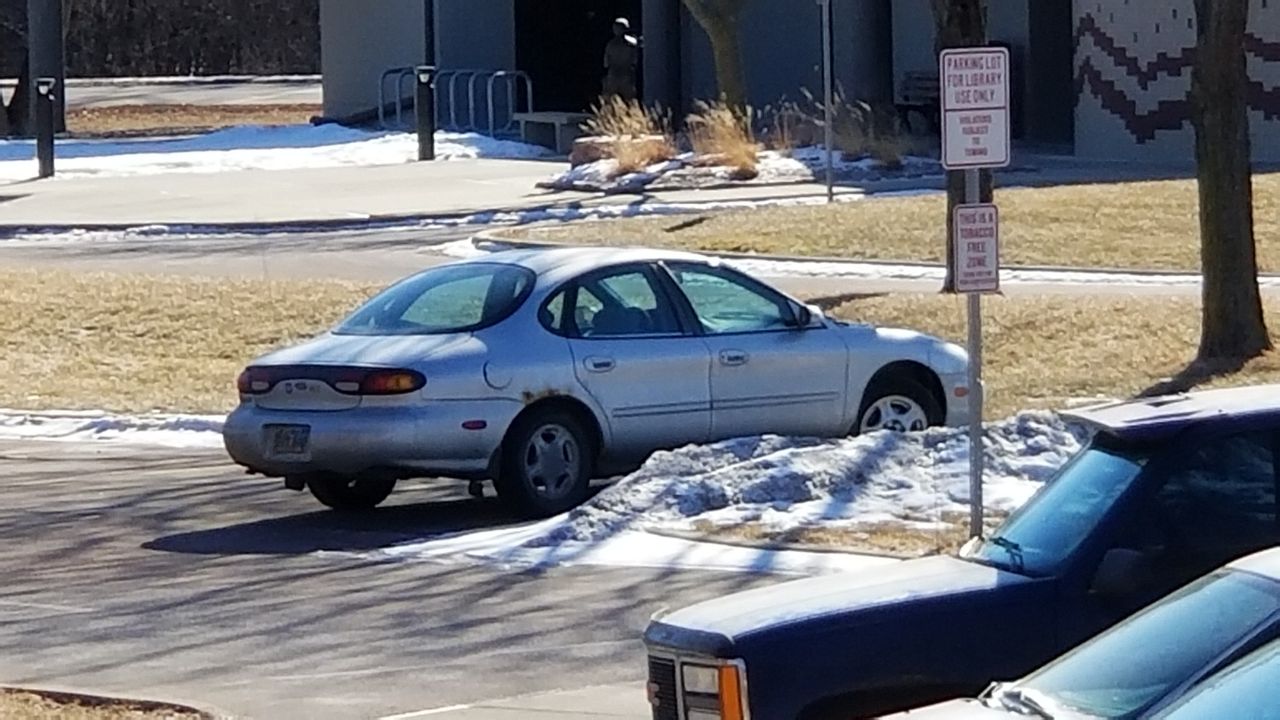
1997 Ford Taurus
The 1997 Ford Taurus represented a significant update to the popular mid-size sedan, marking the debut of the third generation. This redesign aimed to inject a fresh, more modern aesthetic and enhance the overall driving experience, building upon the Taurus's established reputation for practicality and comfort.
Highlights
- Engine Options: The 1997 Taurus offered two distinct engine choices:
- 3.0L Vulcan V6: This standard engine provided reliable and adequate performance for daily driving, offering a good balance of power and fuel efficiency.
- 3.0L Duratec V6: Available on higher trims, the Duratec V6 was a more sophisticated and potent engine, delivering smoother acceleration and a more refined power delivery.
- Safety Features: Ford placed a strong emphasis on safety for the 1997 model:
- Dual Front Airbags: Standard across all trims, these airbags provided crucial protection for the driver and front passenger in the event of a frontal collision.
- Anti-lock Braking System (ABS): Available on most models and standard on some higher trims, ABS prevented wheel lock-up during hard braking, allowing the driver to maintain steering control and potentially shorten stopping distances on slippery surfaces.
- Side-Impact Door Beams: These reinforced beams within the doors were designed to absorb and dissipate energy from side-impact collisions, improving occupant protection.
- Trim Levels: The 1997 Taurus was available in a range of trims, catering to different needs and budgets:
- GL: The entry-level trim provided essential features for comfortable daily transportation.
- SE: Stepping up, the SE offered a more upscale feel with additional comfort and convenience features, often including power windows and locks as standard.
- SEL: The SEL represented the more premium offering, boasting enhanced interior amenities, potentially better upholstery, and often including features like a premium sound system and alloy wheels.
- LX (Discontinued for 1997): It's worth noting that the LX trim, a previous staple, was replaced by the SEL for the third generation.
- Design Refresh: The 1997 model year introduced a completely new exterior and interior design. The exterior featured a more rounded, aerodynamic profile with a distinctive oval grille, a significant departure from the previous generation's sharper lines. The interior was also modernized with a more contemporary dashboard layout and improved ergonomics.
- Comfort and Ride Quality: The Taurus was known for its comfortable ride, and the 1997 generation continued this tradition. Its suspension was tuned to absorb road imperfections, making it a pleasant vehicle for commuting and longer journeys.
What to Expect
Owning a 1997 Ford Taurus typically translates to a predictable and generally positive ownership experience. These vehicles were built to be workhorses, and with proper care, they can be reliable companions.
- Maintenance: Routine maintenance, such as oil changes, filter replacements, and checking fluids, are straightforward and relatively inexpensive. As with any vehicle of this age, expect to address wear-and-tear items over time. Common areas for attention might include brakes, suspension components (bushings, shocks/struts), and exhaust systems. The Duratec engine, while generally robust, can be more complex to work on than the Vulcan.
- Insurance: Insurance costs for a 1997 Ford Taurus are typically moderate. Its age, along with its widespread availability and common parts, generally keeps premiums down compared to newer or more specialized vehicles. Coverage will depend on your driving record, location, and chosen coverage levels.
- Driving Experience: The Taurus offers a comfortable and composed ride. The steering is generally light and easy, making it maneuverable in city driving. While not a performance-oriented vehicle, the available engines provide adequate power for everyday tasks. The cabin is usually quiet, contributing to a relaxed driving environment.
Potential Considerations
While the 1997 Ford Taurus offers a lot for its class, potential buyers should be aware of a few common points:
- Interior Materials: While the interior design was a step up, some of the plastic materials used in the cabin might show signs of wear and age, such as scuffing or minor creaks, especially in higher-mileage examples.
- Electrical Components: As with many vehicles from this era, some electrical components can become prone to issues over time. This could include power window motors, door lock actuators, or radio components.
- Transmission Longevity: While generally reliable, automatic transmissions in these vehicles, particularly the older AX4N used with the Duratec, can develop issues if not properly maintained. Regular fluid changes are crucial for their longevity.
- Corrosion: Depending on the climate the vehicle has spent its life in, rust and corrosion, particularly on the undercarriage, wheel wells, and rocker panels, can be a concern. Thoroughly inspecting the vehicle for signs of rust is highly recommended.
Overall Summary
The 1997 Ford Taurus stands as a testament to Ford's success in the mid-size sedan segment. It offered a compelling blend of updated styling, a comfortable ride, and practical features, making it a popular choice for families and commuters alike. While it benefits from a generally reliable powertrain and widely available parts for maintenance, potential buyers should be mindful of age-related wear and tear, particularly concerning interior materials and certain electrical components. With diligent inspection and a commitment to regular maintenance, a 1997 Taurus can still serve as a dependable and affordable mode of transportation.