


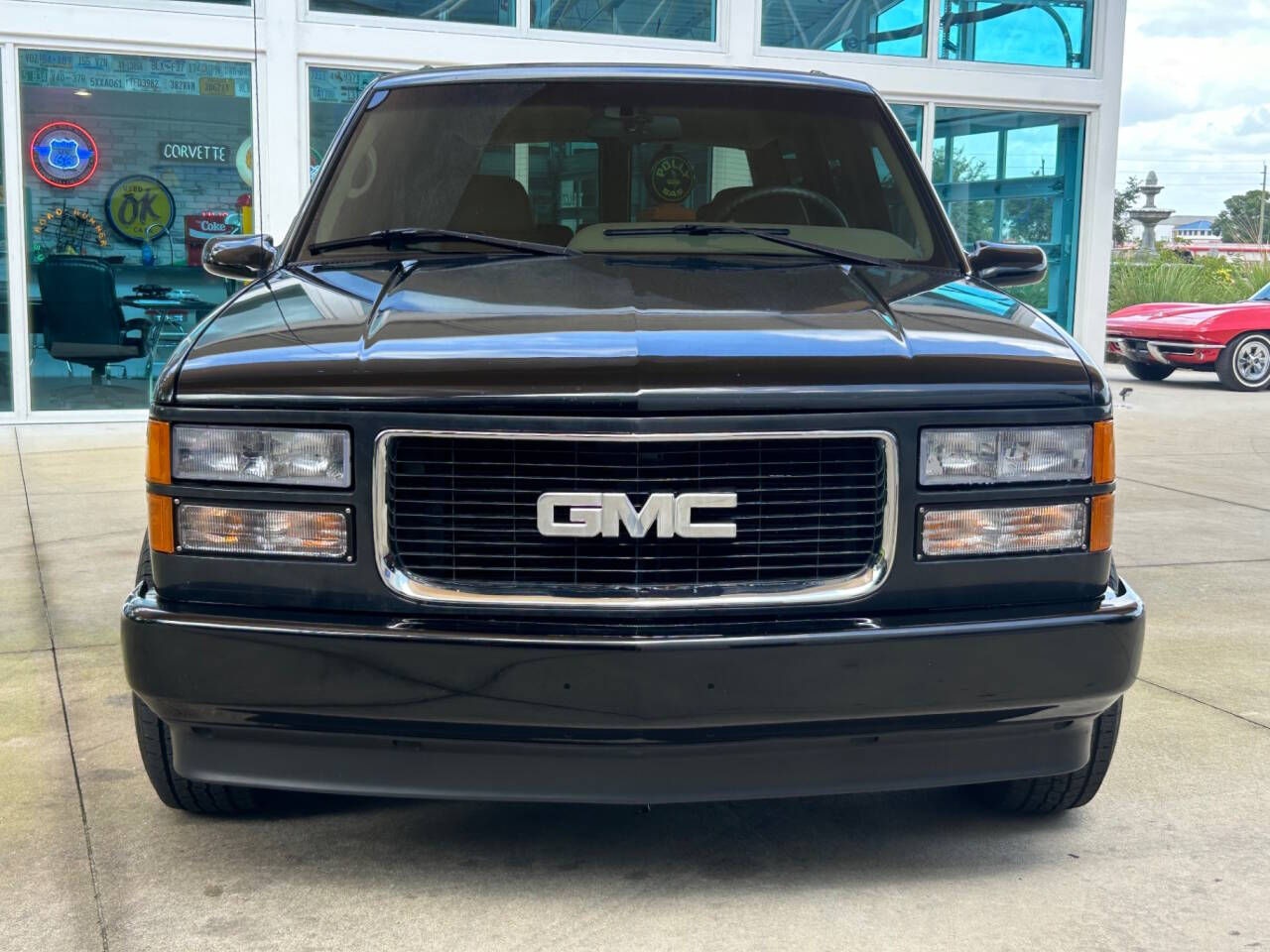
1996 GMC Yukon Overview
The 1996 GMC Yukon represented a significant evolution for GMC's full-size SUV, offering a blend of rugged capability, comfortable refinement, and American styling. Built upon the robust GMT400 platform, it was designed for families, individuals needing substantial cargo or towing capacity, and those who appreciated a commanding presence on the road.
Highlights
- Engine Options:
- 5.7L V8 (350 cu. in.): This legendary Vortec V8 was the heart of the Yukon, delivering robust power and torque. It was known for its reliability and strong towing capabilities, making it ideal for hauling boats, trailers, or for those who simply wanted confident acceleration.
- 7.4L V8 (454 cu. in.): For those requiring maximum grunt, the optional 7.4L Big Block V8 offered even more towing power and effortless highway cruising. While less common, it was the ultimate choice for heavy-duty tasks.
- Safety Features:
- Anti-lock Braking System (ABS): Standard on all Yukon models, ABS prevented wheel lock-up during hard braking, allowing the driver to maintain steering control and potentially reduce stopping distances on slippery surfaces.
- Daytime Running Lamps (DRLs): Enhancing visibility to other drivers, DRLs automatically activated the headlights at a reduced intensity when the engine was running, a valuable safety addition.
- Driver-Side Airbag: A crucial safety component for its era, providing frontal impact protection for the driver.
- Trim Summary:
- SLE: The entry-level trim offered a well-equipped package with essential features for comfortable daily driving and utility. It provided a solid foundation of comfort and capability.
- SLT: Positioned as the more luxurious option, the SLT trim added features like leather seating, enhanced audio systems, and often power-adjustable seats, providing a more premium experience.
- Other Notable Aspects:
- Towing Prowess: The Yukon, especially with the 7.4L V8, was a highly capable tow vehicle, a major selling point for those with recreational equipment or work needs.
- Spacious Interior: The Yukon offered ample interior room for passengers and cargo, making it a practical choice for families and hauling gear.
- Commanding Road Presence: With its large dimensions and upright styling, the Yukon conveyed a sense of strength and authority.
- Independent Front Suspension (IFS): A significant improvement over older solid front axles, IFS contributed to a smoother and more car-like ride quality compared to many contemporary truck-based SUVs.
What to Expect
Ownership of a 1996 GMC Yukon typically means experiencing a vehicle that prioritizes utility and a comfortable, albeit truck-like, ride. These SUVs are known for their durability and ability to handle various tasks.
- Typical Ownership Experience: Expect a sturdy and capable vehicle that can handle daily commutes, family duties, and weekend adventures. The driving experience is characterized by a higher seating position and a generally smooth ride, especially on the highway, thanks to its independent front suspension. However, its large size can make maneuvering in tight urban spaces a bit more challenging.
- Maintenance: As a truck-based SUV from the mid-90s, regular and diligent maintenance is key to keeping a Yukon in good running order. Expect routine oil changes, fluid checks, and filter replacements. Common maintenance items for vehicles of this age and design can include suspension components (ball joints, tie rods, shocks), brake wear, and potential exhaust system repairs. The Vortec V8 engines are generally robust, but like any engine, they require proper care. Parts availability is generally good, but finding specific trim options or original-condition parts might become more challenging over time.
- Insurance: Insurance costs for a 1996 GMC Yukon will vary based on your driving record, location, coverage levels, and the specific insurance provider. Given its age, it will likely be considered a classic or older vehicle, which can sometimes result in lower premiums compared to newer SUVs, provided it's not driven extensively. However, the V8 engines and potential for higher mileage could influence rates.
Potential Considerations
While the 1996 GMC Yukon offers many strengths, potential buyers should be aware of certain aspects common to vehicles of its vintage.
- Fuel Economy: The large V8 engines, while powerful, are not known for their fuel efficiency. Expect relatively low miles per gallon, especially in city driving.
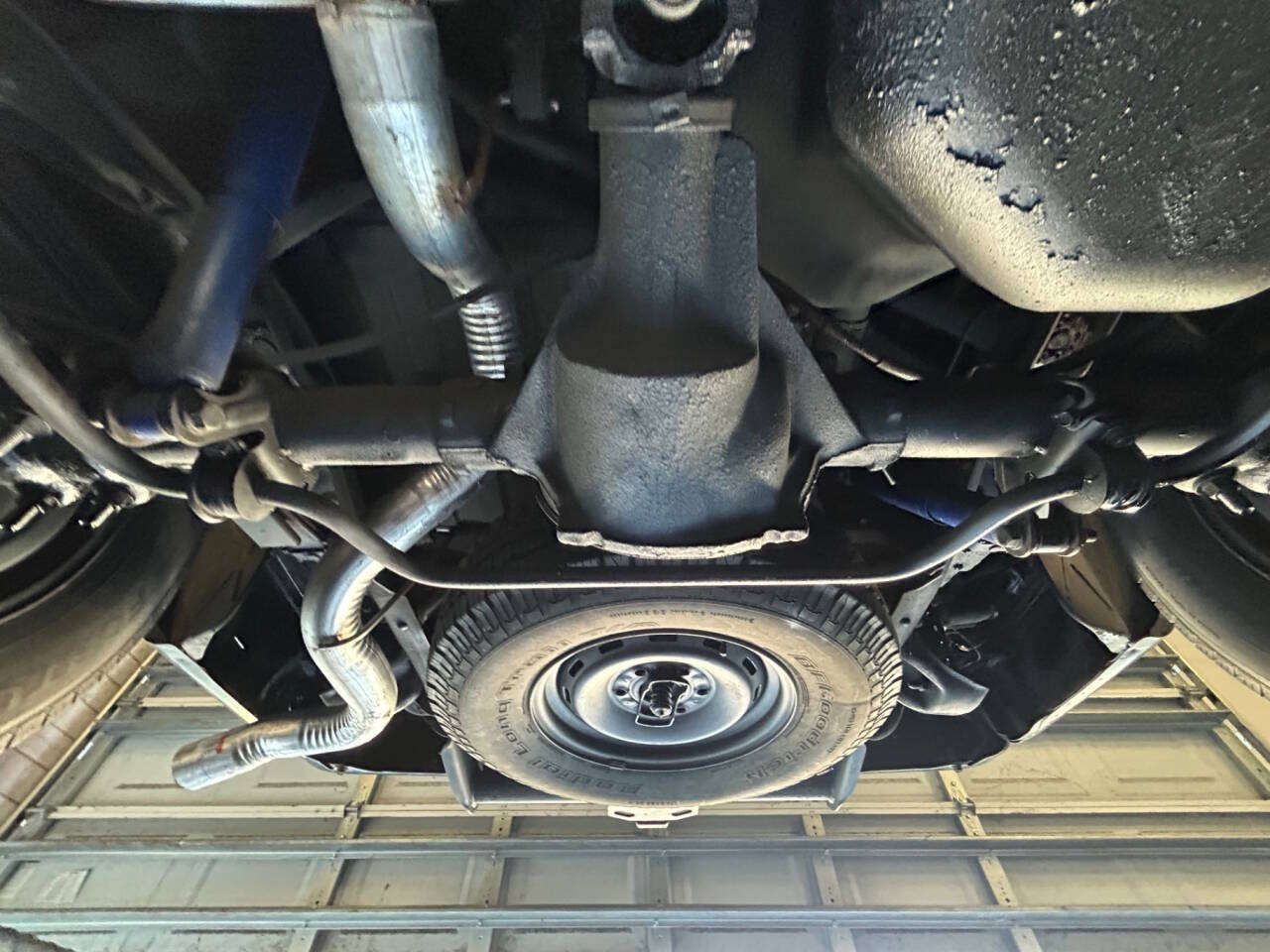
- Aging Components: Being over 25 years old, many original components will have reached or exceeded their expected lifespan. This can include rubber hoses, seals, bushings, and electronic components, which may require replacement due to age and wear.
- Rust: Depending on the vehicle's history and geographic location, rust can be a significant concern, particularly around the frame, wheel wells, and rocker panels. Thorough inspection for rust is crucial.
- Interior Wear: Leather seats may show signs of wear, cracking, or fading. Plastic interior components can become brittle or scratched over time.
- Towing Strain: While designed for towing, sustained heavy towing can put extra stress on the powertrain and suspension components, potentially accelerating wear if not properly maintained.
- Outdated Technology: Compared to modern vehicles, the 1996 Yukon lacks many advanced technology and safety features. For example, it won't have features like navigation systems, backup cameras, or advanced driver-assistance systems.
Overall Summary
The 1996 GMC Yukon is a capable and durable full-size SUV that excels in utility and comfort for its era. It's a testament to American engineering, offering strong V8 powertrains, a spacious interior, and a commanding presence. While it requires diligent maintenance and is not fuel-efficient by today's standards, a well-maintained 1996 Yukon can still be a reliable and practical choice for those seeking a classic SUV with substantial hauling and towing capabilities, or simply a comfortable and robust vehicle for everyday use.