

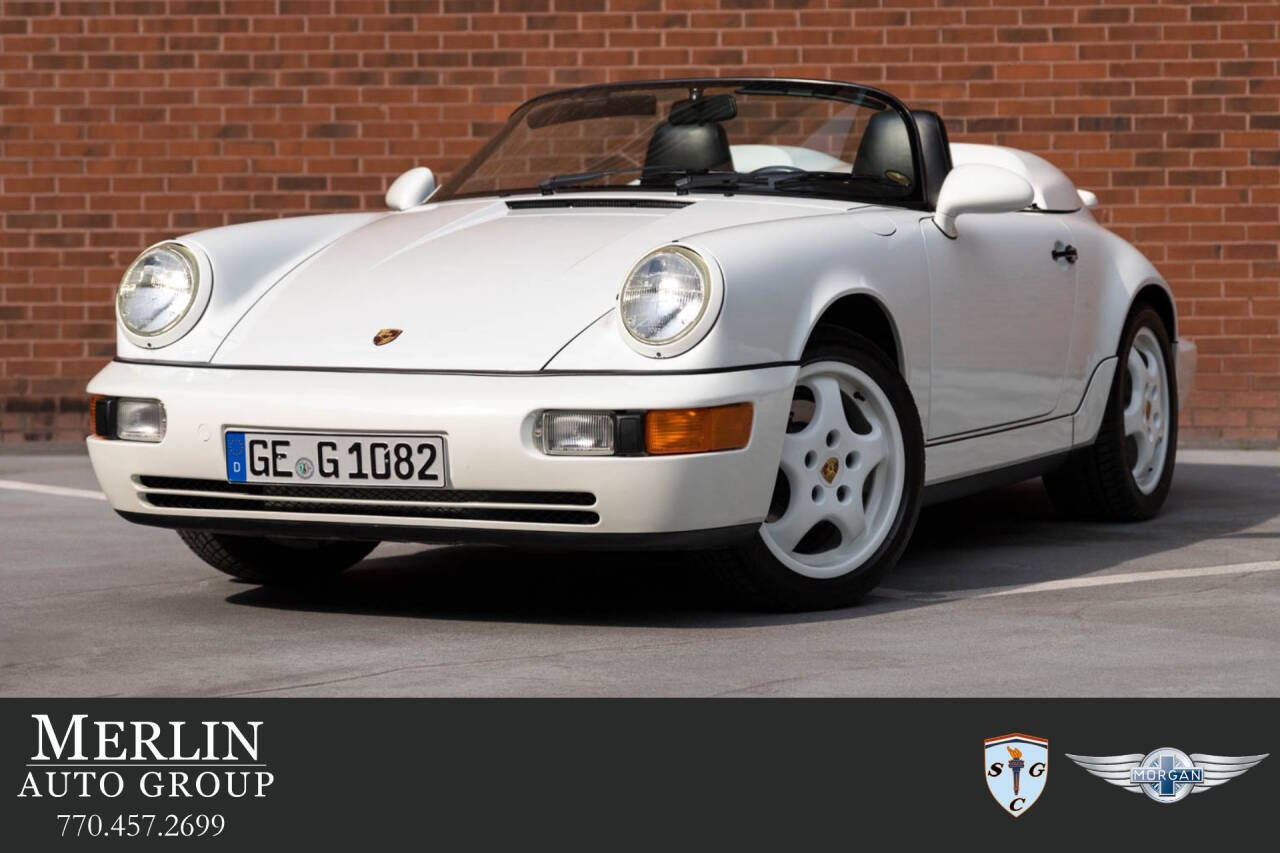
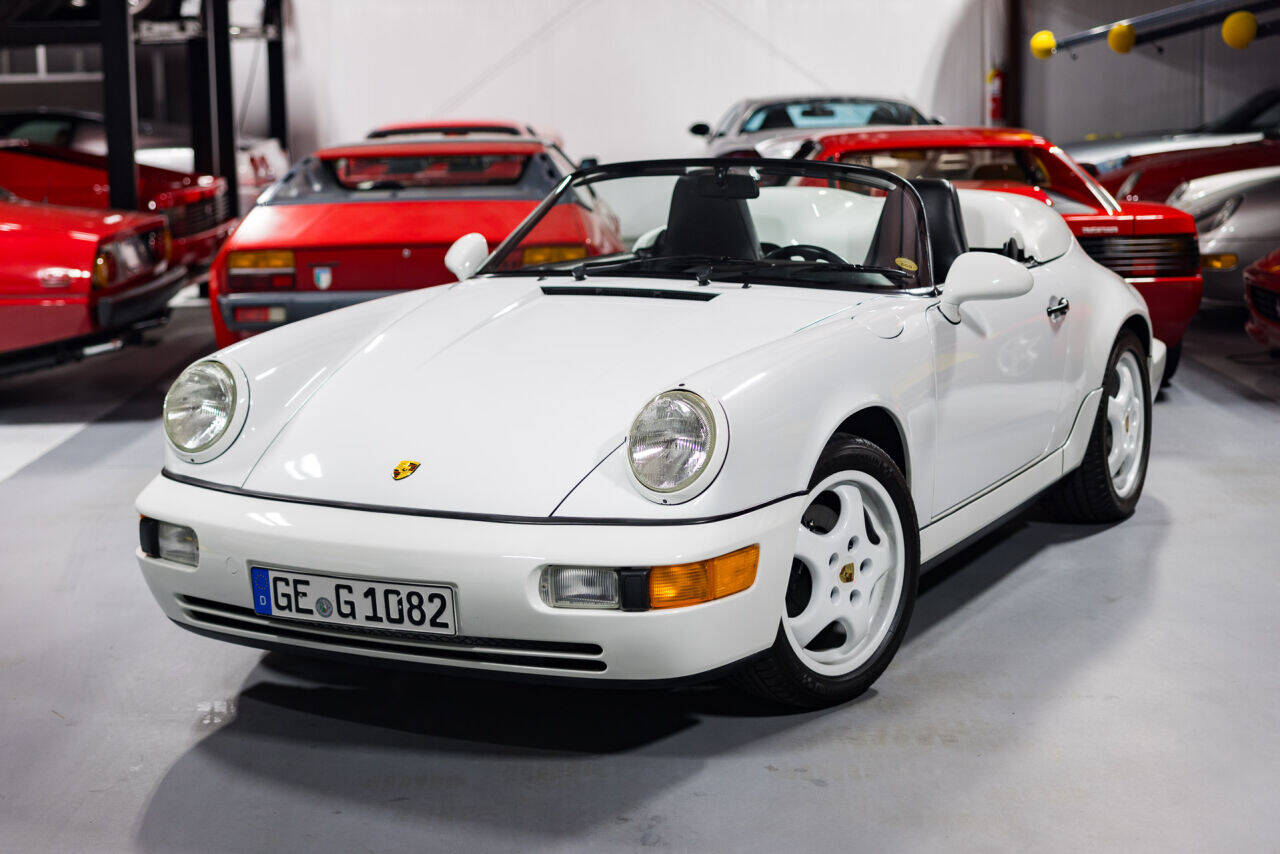
The 1994 Porsche 911 (993 Generation)
The 1994 model year marked a significant milestone for the Porsche 911, introducing the revolutionary 993 generation. This iteration represented a substantial evolution from its predecessor, the 964, while retaining the iconic silhouette and rear-engine layout that defined the 911 for decades. The 993 generation is widely considered by enthusiasts to be the last of the "air-cooled" 911s, a characteristic that imbues it with a unique mechanical soul and a strong following in the collector market. It successfully blended modern performance and refinement with the raw, engaging driving experience that Porsche is renowned for.
Highlights
- Engine: The heart of the 1994 911 was the 3.6-liter naturally aspirated flat-six engine. This air-cooled powerplant, a development of the M64 engine, produced a robust 272 horsepower and 265 lb-ft of torque. The distinctive exhaust note and the direct, responsive power delivery were hallmarks of this engine. It was paired with either a 6-speed manual transmission or a 4-speed Tiptronic automatic transmission.
- Safety Features: While safety standards were less stringent than today, the 993 generation saw improvements over previous models. Standard safety features included anti-lock brakes (ABS), which provided controlled deceleration during emergency stops, and driver and passenger front airbags. The chassis design also incorporated crumple zones for enhanced occupant protection.
- Summary of Trims:
- Carrera 2 (or Carrera): This was the standard rear-wheel-drive model, offering the quintessential 911 driving experience. It was the most common variant and a fantastic entry point into the 993 ownership.
- Carrera 4: Featuring Porsche's all-wheel-drive system, the Carrera 4 offered enhanced traction and stability, particularly in adverse weather conditions. This system was designed to primarily send power to the rear wheels but could distribute torque to the front axle as needed, improving handling dynamics.
- Carrera RS (Rennsport): A more performance-oriented, limited-production model. The Carrera RS featured a more powerful engine (3.8-liter, 300 hp), a lighter curb weight due to the removal of non-essential features, sport-tuned suspension, and aerodynamic enhancements. It was a homologation special for racing and is highly sought after.
- Other Notable Aspects: The 993 generation boasted a completely redesigned chassis and suspension system, incorporating lightweight aluminum components and a new multi-link rear suspension. This resulted in significantly improved handling, a smoother ride, and more predictable behavior compared to its predecessor. The aerodynamics were also refined, with a sleeker body, integrated bumpers, and improved airflow for better stability at high speeds.
What to Expect
Owning a 1994 Porsche 911 is an experience that appeals to those who appreciate a pure, analog driving machine. The ownership experience is typically characterized by:
- Engaging Driving Dynamics: Expect a visceral and connected driving experience. The rear-engine layout, combined with precise steering and a communicative chassis, makes every drive an event. The roar of the air-cooled engine behind you is a constant, thrilling companion.
- Mechanical Sensitivity: As an air-cooled car, the 993 requires attentive maintenance. Regular oil changes with high-quality synthetic oil are crucial for engine longevity. The air-cooled nature means it can be more sensitive to extreme temperatures and requires proper airflow.
- Maintenance Costs: While a well-maintained 993 can be reliable, maintenance and repair costs can be higher than for more common vehicles. Specialized Porsche technicians are recommended for major work. Parts availability, while generally good for the 993, can sometimes be a factor for rarer components.
- Insurance: Insurance premiums for a classic Porsche like the 993 can vary significantly based on your driving record, location, and the value of the car. Many insurers offer classic car policies that may be more cost-effective than standard auto insurance.
Potential Considerations
When considering a 1994 Porsche 911, potential buyers should be aware of a few key aspects:
- Age and Wear: Being a classic car, expect that components will have aged. Rubber bushings, seals, and hoses may require replacement over time to maintain optimal performance and prevent leaks.
- Air-Cooled Engine Specifics: While beloved, the air-cooled engines require diligent monitoring of oil levels and temperatures. Overheating can be a concern if the cooling system (which relies on airflow) is compromised or if the car is driven hard in very hot conditions without proper attention.
- Interior Materials: While generally well-built, some interior materials, particularly on the dashboard and door panels, can be prone to cracking or fading over decades of exposure to sunlight.
- Four-Wheel Drive System (Carrera 4): While the AWD system enhances grip, it adds complexity. Maintenance of the AWD components, including the viscous coupling (if equipped and applicable to early 993 Carrera 4s), is important.
Overall Summary
The 1994 Porsche 911 (993) stands as a highly desirable and significant model in the legendary 911 lineage. It represents the pinnacle of the air-cooled era, offering a potent blend of iconic styling, engaging performance, and a driving experience that is both thrilling and rewarding. For enthusiasts seeking a pure sports car with a rich heritage and exceptional driving dynamics, the 993 generation, including the 1994 model, remains an outstanding choice, albeit one that demands attentive care and specialized knowledge.