

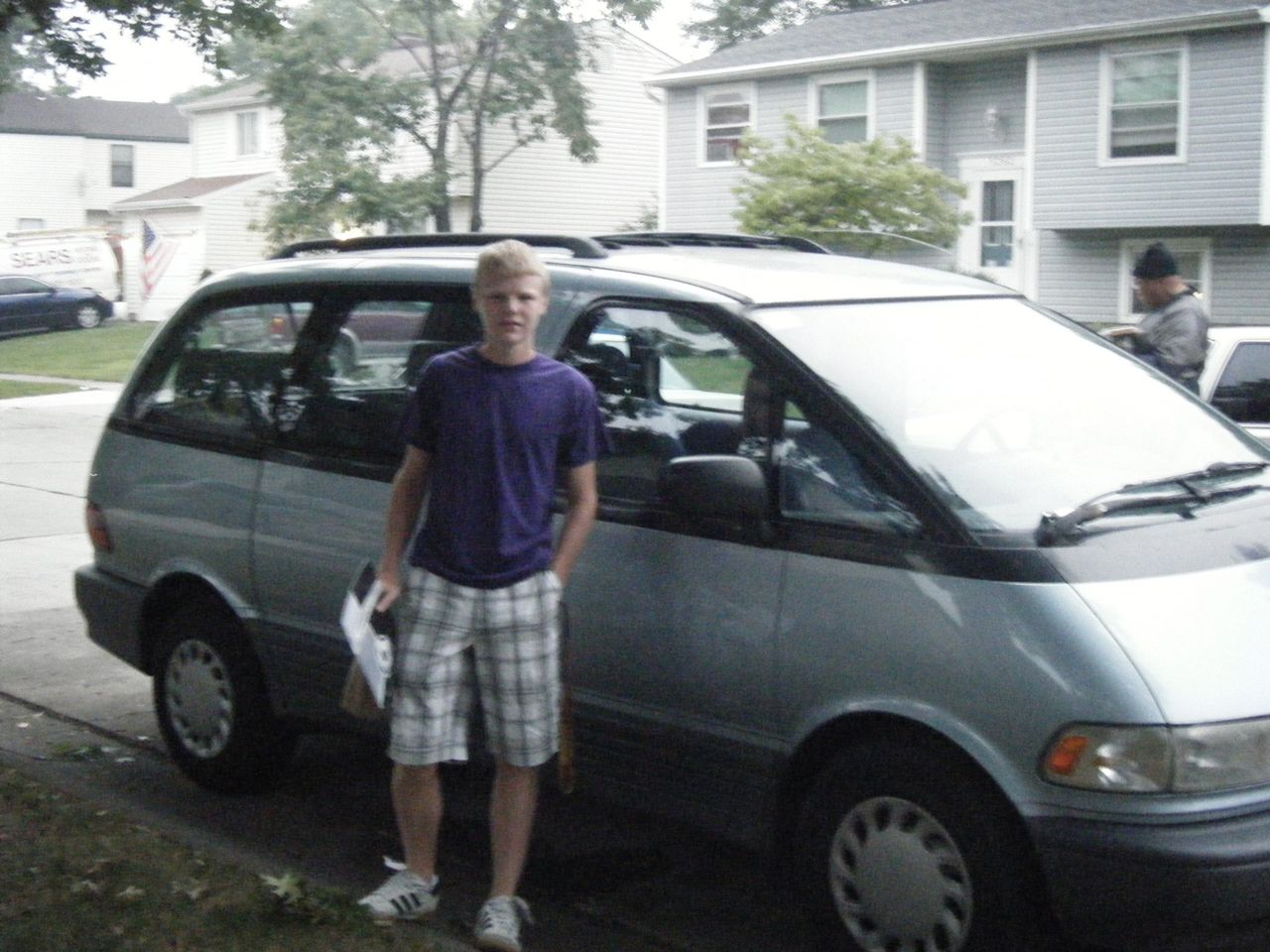
1991 Toyota Previa
The 1991 Toyota Previa, often affectionately referred to as the "Toyota Van" or "Camry of Vans," was a distinctive and innovative minivan that aimed to blend practicality with a touch of European flair. It was a bold departure from the more utilitarian designs of its contemporaries, offering a comfortable and versatile family hauler with a unique engineering approach.
Highlights
- Engine: The Previa was powered by a 2.4-liter DOHC 16-valve inline-four engine (2TZ-FE). This engine was known for its smooth operation and decent fuel economy for its class. A key feature was its mid-engine, rear-wheel-drive (RWD) layout. The engine was mounted beneath the floor, between the front seats, contributing to a lower center of gravity and improved weight distribution. This unique placement also allowed for a more aerodynamic and cab-forward design, maximizing interior space. All-wheel drive (AWD) was an optional feature, enhancing its capability in inclement weather.
- Safety Features: Standard safety features for 1991 included anti-lock brakes (ABS), which helped prevent wheel lock-up during hard braking, allowing the driver to maintain steering control. Driver and passenger airbags were also becoming more prevalent, offering crucial frontal impact protection. The Previa's unibody construction, typical for modern vehicles, provided a robust safety cell.
- Trim Levels: The 1991 Previa was available in a few key trim levels, catering to different needs and budgets.
- DLX: The base model, offering essential comfort and convenience features.
- DX: A step up from the DLX, typically adding more upscale interior appointments, upgraded audio systems, and often power accessories like windows and door locks.
- LE (Luxury Edition): The top-tier trim, aiming for premium comfort and convenience. This usually included features like captain's chairs in the second row, upgraded upholstery, a more sophisticated climate control system, alloy wheels, and potentially a sunroof.
- Other Notable Aspects:
- Cab-Forward Design: The mid-engine placement allowed for a significantly more aerodynamic and spacious cabin compared to front-engine competitors. This resulted in a more car-like driving experience and excellent passenger room.
- Versatile Seating: The Previa offered flexible seating configurations, often with removable or stowable second and third-row seats, making it highly adaptable for cargo hauling or passenger transport. Captain's chairs in higher trims further enhanced passenger comfort.
- Supercharged Option (Later Years, but worth noting the innovation): While not standard in 1991, Toyota would later introduce a supercharged version of the Previa, showcasing the innovative spirit behind the model.
What to Expect
Owning a 1991 Toyota Previa typically means experiencing a blend of Toyota's renowned reliability with the practicalities of a minivan.
- Typical Ownership Experience: Owners often praise the Previa for its comfortable ride, spacious interior, and surprisingly car-like handling due to its lower center of gravity. The engine, while not a powerhouse, is generally smooth and adequate for everyday driving. The unique mid-engine layout contributes to a quiet cabin. The versatility of the seating arrangements makes it a practical choice for families or those who need to transport goods.
- Maintenance: Toyota's reputation for reliability generally holds true for the Previa. However, being an older vehicle, regular and preventative maintenance is crucial. Key areas to focus on include:
- Engine: Oil changes, spark plugs, and fluid checks are standard. Due to the mid-engine placement, accessing some components might be slightly more involved, potentially increasing labor costs for certain repairs.
- Transmission: Fluid changes for the automatic transmission are important for longevity.
- Cooling System: Regular checks and potential replacement of hoses and the radiator are vital, especially given the engine's location.
- Suspension and Brakes: Like any vehicle of this age, wear and tear on suspension components (shocks, struts, bushings) and brake pads/rotors are expected and require regular inspection.
- Timing Belt: The 2TZ-FE engine utilizes a timing belt, which requires periodic replacement according to the manufacturer's schedule. This is a significant maintenance item that should not be overlooked.
- Insurance: Insurance costs for a 1991 Toyota Previa will vary based on factors such as the driver's age, location, driving record, and the specific insurance provider. However, as an older vehicle, insurance premiums are generally expected to be moderate to low, especially compared to newer or more performance-oriented vehicles. Comprehensive and collision coverage may be less common for older, lower-value vehicles unless the owner specifically opts for it.
Potential Considerations
While the 1991 Toyota Previa has many admirable qualities, potential buyers should be aware of certain drawbacks.
- Access to Engine and Some Components: The unique mid-engine placement, while beneficial for space and handling, can make certain routine maintenance tasks or repairs more labor-intensive and potentially costly. For instance, oil changes, spark plug replacements, or even some accessory belt changes might require more time and effort to access.
- A/C System: As with many vehicles of this vintage, the air conditioning system may require attention. The compressor, refrigerant lines, and seals can degrade over time, leading to reduced cooling efficiency or complete failure. Repairing the A/C can be an expensive undertaking.
- Rear Wheel Drive (RWD) Dynamics: While RWD contributes to the Previa's balanced handling, it can lead to reduced traction in slippery conditions compared to front-wheel drive (FWD) or all-wheel drive (AWD) vehicles, especially in snowy or icy environments. The optional AWD mitigates this to a degree.
- Age-Related Wear and Tear: Being over three decades old, expect various age-related issues. This can include minor electrical gremlins, aging rubber components (hoses, seals, bushings), rust (depending on climate and previous care), and interior wear and tear.
- Lack of Modern Technology: Compared to modern vehicles, the 1991 Previa will lack many contemporary features such as advanced infotainment systems, sophisticated driver-assistance technologies (e.g., adaptive cruise control, lane keeping assist), and often even basic amenities like power sliding doors found on later minivans.
Overall Summary
The 1991 Toyota Previa stands out as a uniquely engineered and remarkably practical minivan. Its innovative mid-engine, rear-wheel-drive (or optional AWD) layout delivered a comfortable, spacious, and surprisingly refined driving experience. While Toyota's inherent reliability is a significant advantage, potential owners must be prepared for the maintenance realities of an older vehicle, particularly concerning the accessibility of the engine and the possibility of age-related component failures. For those seeking a distinctive, family-friendly vehicle with a focus on comfort and space, and who are willing to undertake diligent maintenance, the 1991 Previa remains a commendable option.