

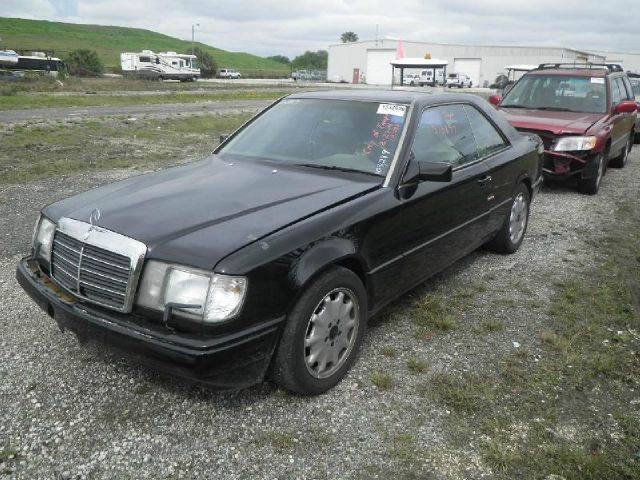
1988 Mercedes-Benz 300-Class
The 1988 Mercedes-Benz 300-Class, part of the W124 generation, represented a significant step forward in Mercedes-Benz engineering and design. This era of Mercedes-Benz vehicles is renowned for its robust build quality, sophisticated engineering, and emphasis on passenger comfort and safety. The 300-Class models, in particular, offered a blend of performance and luxury that appealed to discerning buyers seeking a reliable and well-crafted automobile.
Highlights
- Engine: The heart of the 1988 300-Class was typically powered by a 3.0-liter inline-six gasoline engine. This naturally aspirated powerhouse was known for its smooth power delivery and impressive durability. It offered a balanced combination of performance for everyday driving and the reserve power expected from a Mercedes-Benz.
- Safety Features: Mercedes-Benz in 1988 was at the forefront of automotive safety, and the 300-Class was no exception. Key safety features included:
- Anti-lock Braking System (ABS): This advanced system prevented wheel lock-up during hard braking, allowing the driver to maintain steering control and reducing stopping distances on slippery surfaces.
- Supplemental Restraint System (SRS) Airbags: While not standard on all models initially, airbags were becoming increasingly available and were a crucial advancement in occupant protection during a collision.
- Reinforced Safety Cell: The entire passenger compartment was designed as a rigid safety cell, engineered to absorb and dissipate impact energy, protecting occupants in the event of a crash.
- Energy-Absorbing Steering Column: Designed to collapse progressively in a frontal impact, reducing the risk of chest injuries to the driver.
- Trims: The 1988 300-Class was available in several body styles, each offering a distinct experience:
- 300E Sedan: The quintessential executive sedan, offering a spacious and luxurious cabin with a focus on comfort and refinement.
- 300CE Coupe: A more sporting and elegant two-door model, featuring a pillarless hardtop design that offered a breathtaking open-air feel when the windows were down.
- 300TE Wagon: The versatile and practical option, providing ample cargo space without compromising the luxury and driving dynamics of the sedan.
- Other Notable Aspects:
- Exceptional Build Quality: The W124 generation is legendary for its over-engineered construction, utilizing high-quality materials and meticulous assembly. This translates to a car that feels incredibly solid and durable.
- Sophisticated Suspension: The multi-link independent rear suspension and MacPherson strut front suspension provided a superb balance of ride comfort and precise handling, soaking up bumps while maintaining composure on winding roads.
- Aerodynamic Design: The W124's exterior was sculpted with a strong emphasis on aerodynamics, contributing to its fuel efficiency and reducing wind noise at higher speeds.
What to Expect
Owning a 1988 Mercedes-Benz 300-Class is often a rewarding experience, characterized by a sense of dependable luxury. These vehicles are known for their longevity when properly maintained. Expect a comfortable and quiet ride, with a cabin that still feels substantial and well-appointed even by modern standards. The driving experience is refined and composed, making them excellent long-distance cruisers.
Maintenance: Due to their advanced engineering for the era, maintenance can be more specialized and potentially costly than average for a car of its age. Routine maintenance, such as oil changes and filter replacements, is straightforward, but more complex repairs or specialized parts may require a mechanic familiar with Mercedes-Benz vehicles or access to a good independent specialist. Original Mercedes-Benz parts are built to last, so you'll often find that components have a long service life.
Insurance: Insurance costs will vary based on your location, driving record, and the specific model you choose. However, due to the vehicle's age and its status as a classic or luxury car, it may be subject to specific insurance policies. It's advisable to get quotes from insurers that specialize in classic or vintage vehicles.
Potential Considerations
- Age-Related Wear: As a vehicle from the late 1980s, expect some age-related wear and tear. This can include things like dried or cracked rubber hoses and seals, potentially leaking fluids (though Mercedes often had robust sealing), and the wear on interior components such as leather upholstery or dashboard plastics.
- Electrical Systems: While generally reliable, some older Mercedes-Benz electrical components can be susceptible to failure over time due to the age of wiring insulation and connectors. Issues with window regulators, climate control systems, or the instrument cluster are not uncommon.
- Specific Component Failures: While famously robust, some components can be known weak points or require periodic attention. For example, headliner sag can occur in older cars, and the cooling system, while generally good, can require maintenance to prevent issues like radiator leaks or failing water pumps.
- Availability of Parts: While many parts are still available through Mercedes-Benz Classic or aftermarket suppliers, some very specific or less common components might be harder to source or more expensive.
Overall Summary
The 1988 Mercedes-Benz 300-Class is a testament to automotive engineering and a highly desirable vehicle for those who appreciate classic luxury and enduring quality. It offers a refined driving experience, a wealth of safety features for its time, and a robust build that promises longevity. While potential owners should be prepared for age-appropriate maintenance and the possibility of some electrical quirks, the overall ownership experience is one of sophisticated comfort and dependable performance. It remains a respected and capable classic that continues to impress with its timeless design and engineering prowess.