

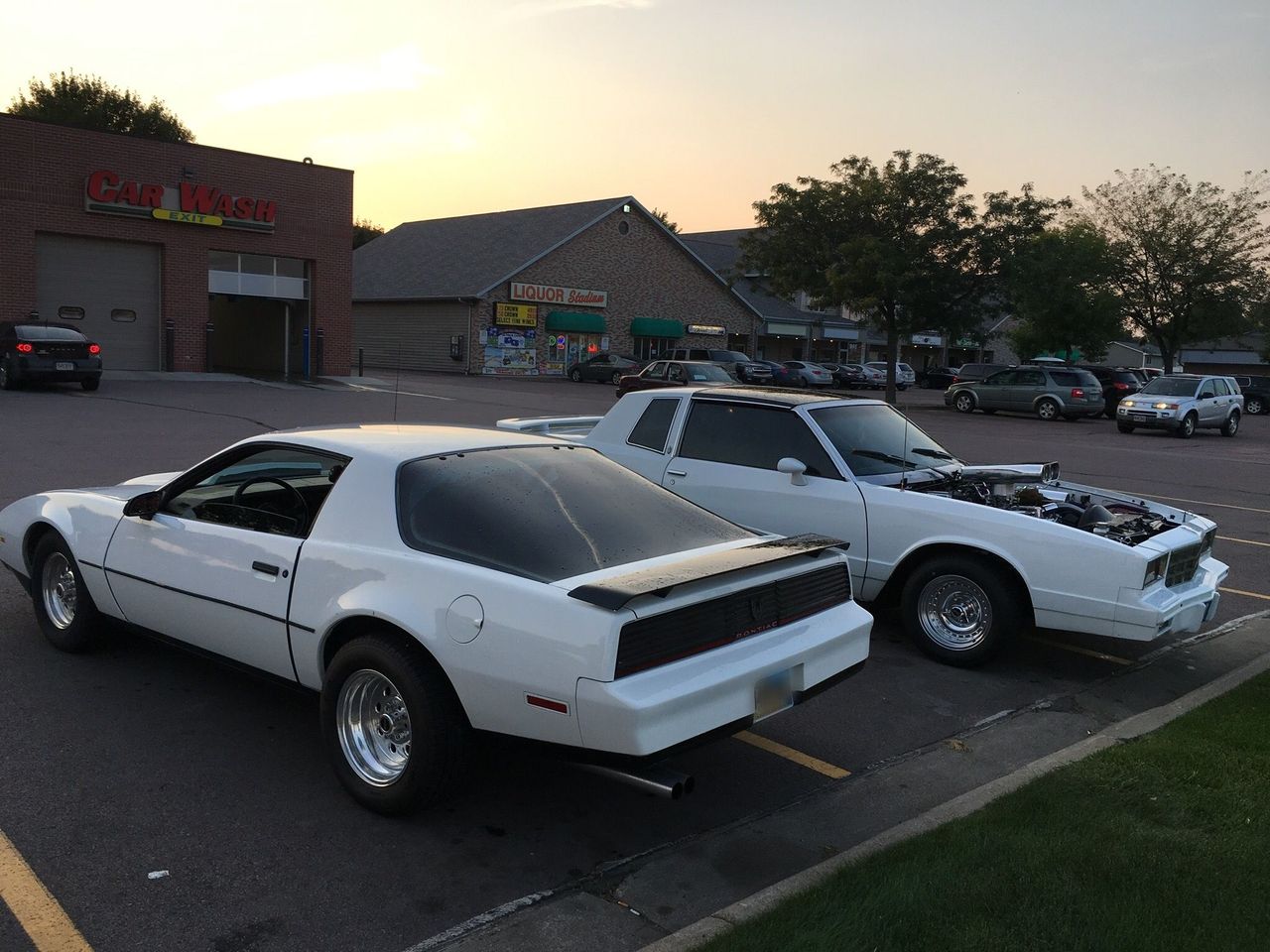
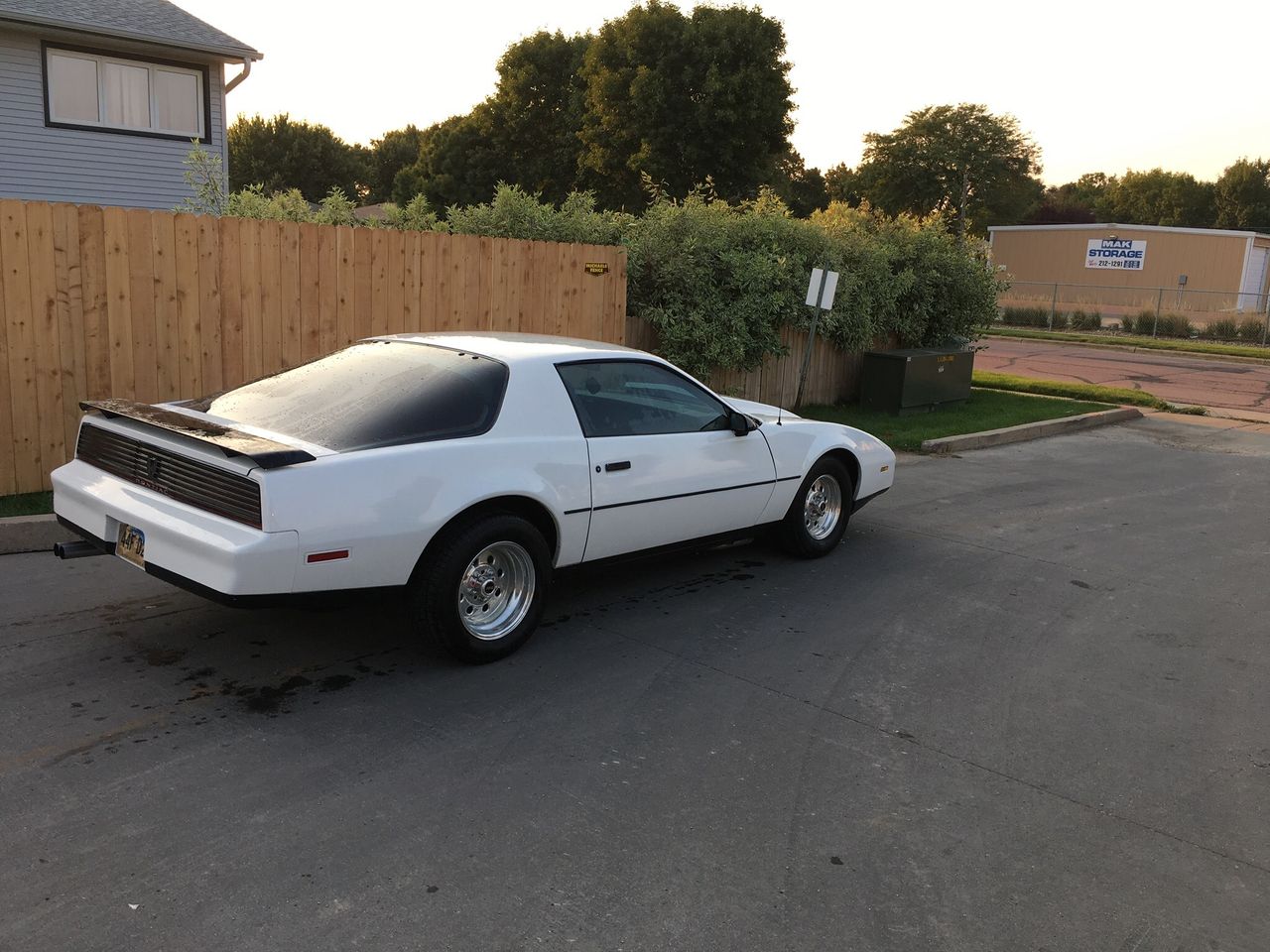
1982 Pontiac Firebird: A New Era of Performance and Style
The 1982 Pontiac Firebird marked a significant turning point for the iconic pony car, ushering in the third generation with a bold new design, improved aerodynamics, and a renewed focus on performance. It was a departure from its predecessors, embracing a sleeker, more modern aesthetic that resonated with a new generation of buyers. This year also saw the reintroduction of the Trans Am nameplate, injecting a potent dose of performance back into the Firebird lineup.
Highlights
-
Engine Options: The 1982 Firebird offered a range of engine choices to suit different preferences:
- 2.5L "Tech IV" (125 hp): A more fuel-efficient option, primarily found in the base models, offering adequate power for everyday driving.
- 2.8L V6 (145 hp): A step up in performance, providing a good balance of power and refinement.
- 5.0L V8 (145 hp - standard on Trans Am): This was the return of the V8 to the Firebird, offering a classic muscle car feel.
- 5.0L V8 (LG4 - 145 hp, higher output versions available): While horsepower figures might seem modest by today's standards, these V8s provided a significant boost in torque and acceleration compared to the smaller engines.
- 5.0L V8 "HO" (165 hp - optional on Trans Am): The "High Output" version of the 5.0L V8 offered increased performance for those seeking more spirited driving.
-
Safety Features: While advanced safety features were not as prevalent as in modern vehicles, the 1982 Firebird incorporated several key advancements for its time:
- Improved Crash Structure: The new platform featured an improved front and rear crumple zones designed to absorb impact energy more effectively in the event of a collision.
- Integral Hood Latch: This system was designed to prevent accidental hood opening at speed, a notable safety improvement.
- Energy-Absorbing Steering Column: Designed to collapse and absorb impact in a frontal collision, reducing the risk of driver injury.
- Seat Belts: Standard three-point seat belts were a crucial safety feature.
-
Trim Summary: The 1982 Firebird was offered in a streamlined lineup:
- Firebird (Base): The entry-level model, offering the sleek new styling and a choice of the 2.5L or 2.8L engine.
- Trans Am: This legendary nameplate returned, signifying a performance-oriented package. Trans Am models typically came standard with the 5.0L V8 and featured upgraded suspension, more aggressive styling cues, and optional aerodynamic enhancements.
-
Notable Aspects:
- Aerodynamic Styling: The third-generation Firebird was a masterclass in aerodynamic design for its era, featuring flush-mounted glass, a Kamm-tail rear spoiler, and a low-slung profile that significantly reduced drag and improved fuel efficiency.
- Unibody Construction: The adoption of a unibody chassis contributed to a lighter and more rigid structure, enhancing handling and overall driving dynamics.
- Pop-Up Headlights: A stylish and functional feature that contributed to the car's futuristic appearance.
- "Knight Rider" Association: While not a factory feature, the Firebird's association with the popular TV show "Knight Rider" (the KITT car) undoubtedly boosted its image and desirability.
What to Expect
Owning a 1982 Pontiac Firebird can be a rewarding experience for enthusiasts who appreciate its classic styling and the revitalization of the pony car segment.
- Typical Ownership Experience: Expect a driving experience that blends sporty handling with a comfortable ride for a car of its era. The V8 models offer a satisfying rumble and decent acceleration, while the V6 provides a more economical yet still engaging drive. The interior, while functional, reflects the design trends of the early 1980s, with a focus on practicality.
- Maintenance: As a classic vehicle, expect regular maintenance to be a priority. Parts availability for some specific components might require a bit more searching, but the aftermarket support for the third-generation F-body platform is generally good. Regular fluid changes, brake inspections, and attention to the exhaust system will be crucial. Older vehicles may also require attention to electrical components and aging rubber seals.
- Insurance: Insurance costs can vary depending on your location, driving record, and the specific trim level. Classic car insurance policies are often available and can be more affordable than standard policies for collectible vehicles.
Potential Considerations
While the 1982 Firebird offers a compelling package, potential buyers should be aware of a few common considerations:
- Rust: As with many vehicles from this era, rust can be a significant issue, particularly in areas exposed to salt and moisture. Thoroughly inspect the unibody structure, rocker panels, wheel wells, and floor pans for any signs of corrosion.
- Interior Wear and Tear: The plastic and fabric materials used in the interior may show signs of age, such as fading, cracking, or seam separation. Seat upholstery and dashboard condition are common areas to check.
- Performance Expectations: While the V8 models offered good performance for their time, they will not match the acceleration or handling capabilities of modern sports cars. If raw, cutting-edge performance is your primary goal, you might find yourself wanting more from the stock 1982 models.
- Fuel Economy: While the smaller engines were reasonably fuel-efficient, the V8 engines will not be economical by today's standards, especially in city driving.
Overall Summary
The 1982 Pontiac Firebird was a watershed moment for the nameplate, successfully reinventing itself with a striking new design and a renewed emphasis on performance. It captured the spirit of the era with its aerodynamic styling and offered a compelling package for those seeking a sporty and stylish American coupe. While requiring diligent maintenance due to its age, a well-preserved 1982 Firebird remains a desirable classic that represents a significant chapter in the evolution of the pony car.