

1980 Ford Mustang: A New Era of Efficiency and Style
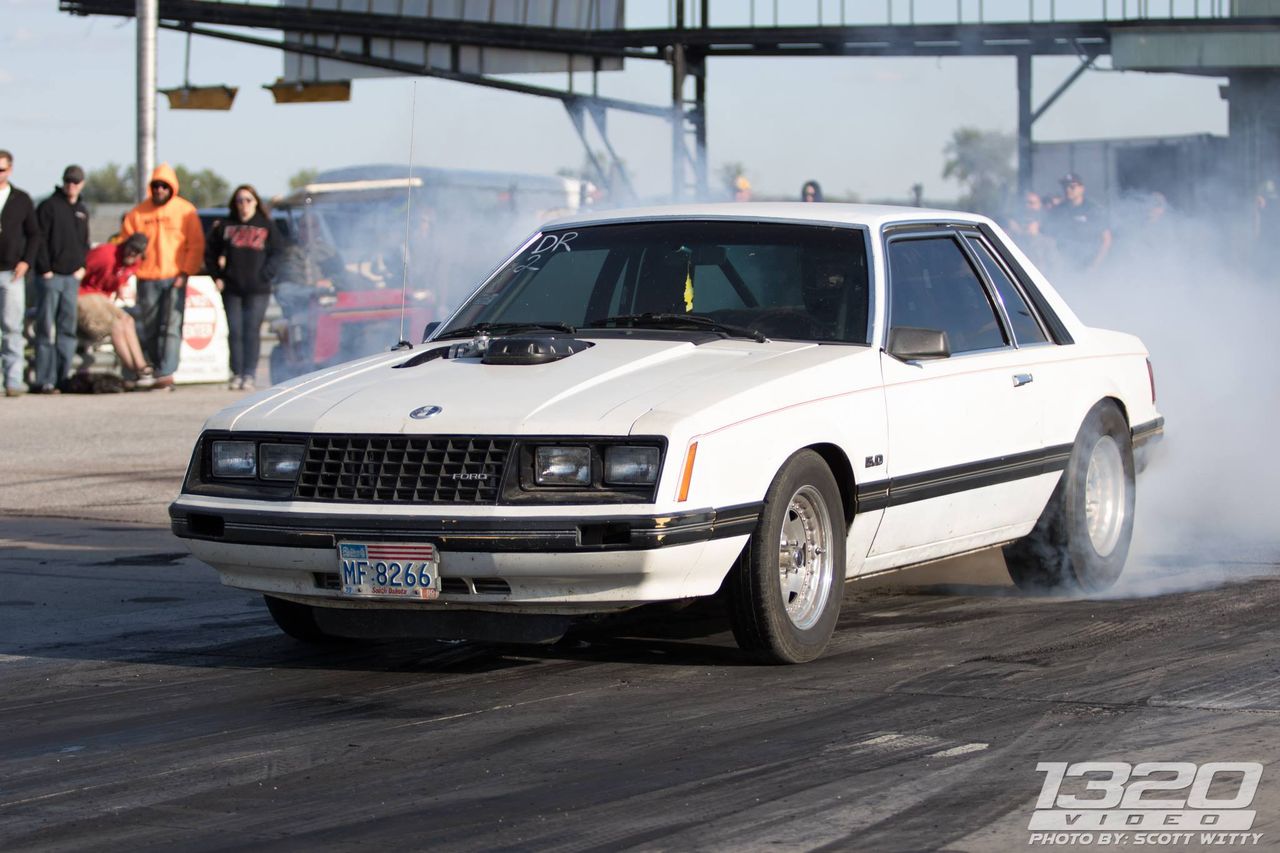
The 1980 Ford Mustang marked a significant turning point for the iconic pony car. Facing increasing pressure from rising fuel costs and evolving consumer demands, Ford significantly re-engineered the Mustang for this model year, prioritizing fuel efficiency and a more sophisticated, European-inspired design while attempting to retain its sporty character.
Key Changes and Developments:
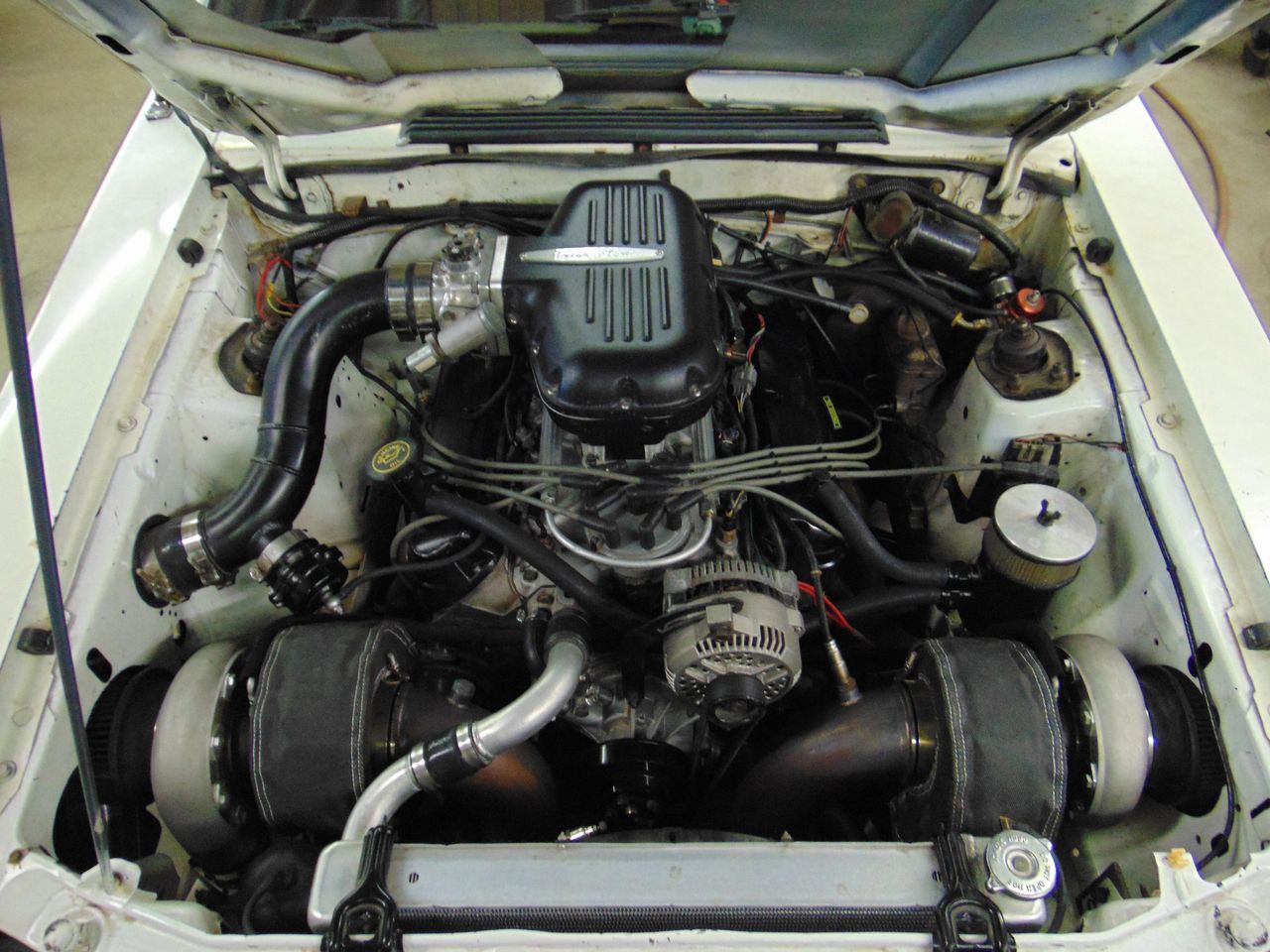
- Engine Downsizing for Fuel Economy: The most dramatic shift for 1980 was the removal of the V8 engines from the standard Mustang lineup. The focus was squarely on fuel efficiency.
- 2.3L Inline-4 (OHC): This engine became the standard powerplant for most Mustang models. Known for its economical operation, it offered respectable performance for daily driving.
- 2.3L Turbocharged Inline-4: A more performance-oriented option was the turbocharged version of the 2.3L four-cylinder. This engine provided a boost in power, aiming to satisfy those seeking a sportier experience without the fuel consumption of larger V8s.
- 3.3L Inline-6: Briefly available early in the model year, this engine was quickly phased out, further emphasizing the shift towards smaller displacement engines.
- New Trim Levels and Styling:
- Base Model: The entry-level Mustang offered a more streamlined and less ostentatious appearance.
- GL: Positioned above the base model, the GL offered a bit more comfort and optional features.
- GLX: This trim level aimed to inject a dose of sportiness back into the lineup, often featuring unique badging, upgraded interior appointments, and optional sport suspension.
- Pace Car Replica: A nod to its racing heritage, Ford offered a limited "Pace Car Replica" edition, often based on the GLX, featuring distinctive decal packages and spoilers.
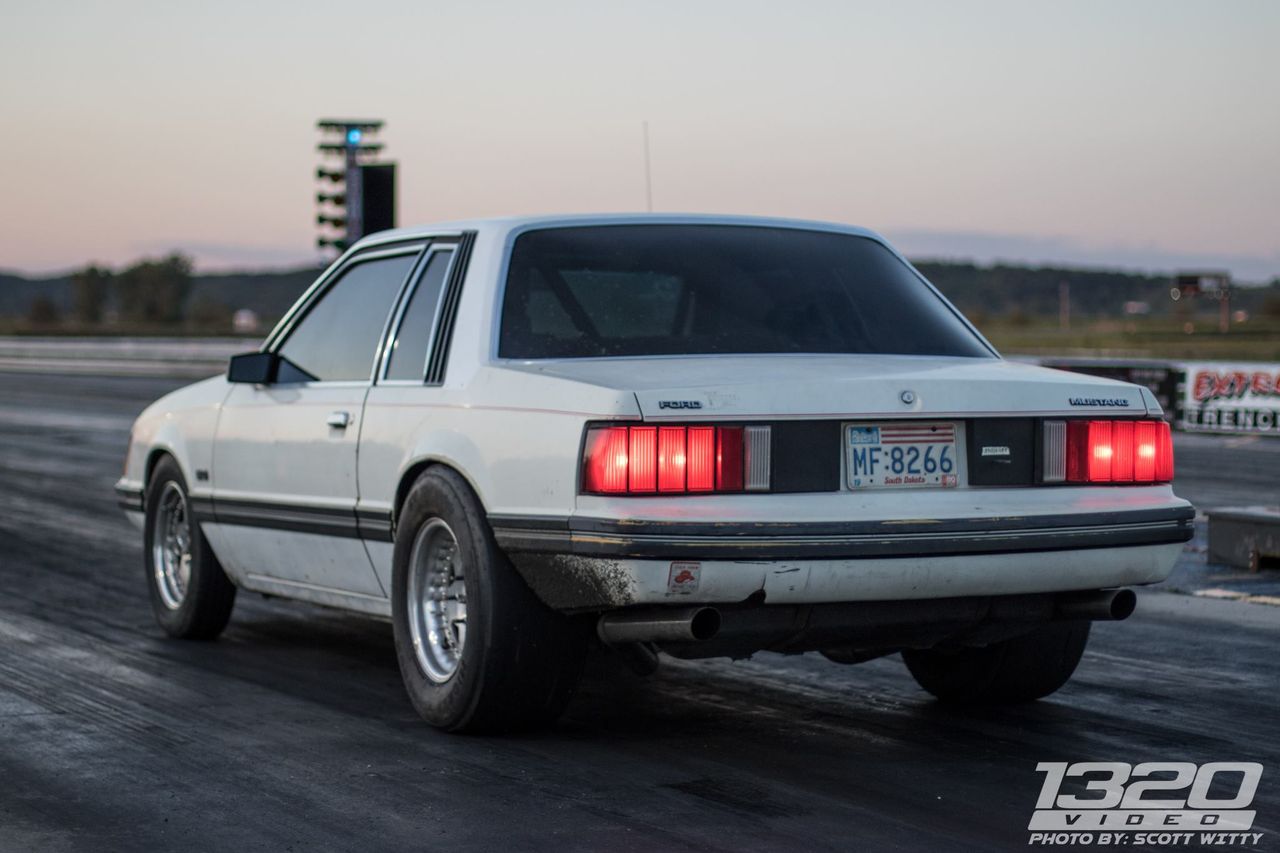
- Exterior Updates: The 1980 Mustang received a refreshed exterior. The prominent grille from previous years was smoothed out, and the overall design became more angular and aerodynamic, reflecting contemporary styling trends. Recessed headlights and a cleaner body-side profile were notable features.
- Interior Enhancements: The interior also saw revisions, with a focus on improved ergonomics and materials. While not as luxurious as some competitors, the 1980 Mustang's interior aimed for a more modern and functional feel.
- Handling and Suspension: Ford made efforts to improve the Mustang's handling, with revised suspension tuning and chassis enhancements to complement the lighter four-cylinder engines.
Strengths of the 1980 Ford Mustang:
- Improved Fuel Economy: The primary objective of the 1980 redesign was achieved, making the Mustang a more viable option for consumers concerned about gas mileage.
- Modernized Styling: The updated exterior design was a departure from the more traditional styling of earlier Mustangs, appealing to a new generation of buyers.
- Turbocharged Performance Option: The availability of the 2.3L turbo engine provided a welcome performance alternative within the new, more efficient package.
- Foundation for Future Models: The changes implemented in 1980 laid the groundwork for the highly successful Fox body Mustang platform, which would evolve significantly in the following years.
Weaknesses of the 1980 Ford Mustang:
- Loss of V8 Power: The absence of V8 engines was a significant disappointment for many long-time Mustang enthusiasts and those seeking raw power.
- Performance Perception: While the turbo offered a good performance boost, the overall perception of the Mustang as a muscle car was somewhat diminished by the focus on economy.
- Competition: The Mustang faced stiff competition from a variety of sporty cars from both domestic and international manufacturers, some of which offered more potent V8 options or superior handling characteristics.
Legacy:
The 1980 Ford Mustang stands as a testament to Ford's ability to adapt to changing market conditions. While it may not be remembered as a pinnacle of raw power, it was a crucial evolutionary step that ensured the Mustang's survival and paved the way for its future successes. It demonstrated that the Mustang could be more than just a V8-powered bruiser, embracing efficiency and modern design to remain relevant in a new automotive landscape. For collectors and enthusiasts, the 1980 model represents an interesting chapter in the Mustang's storied history, showcasing the brand's willingness to innovate and evolve.