


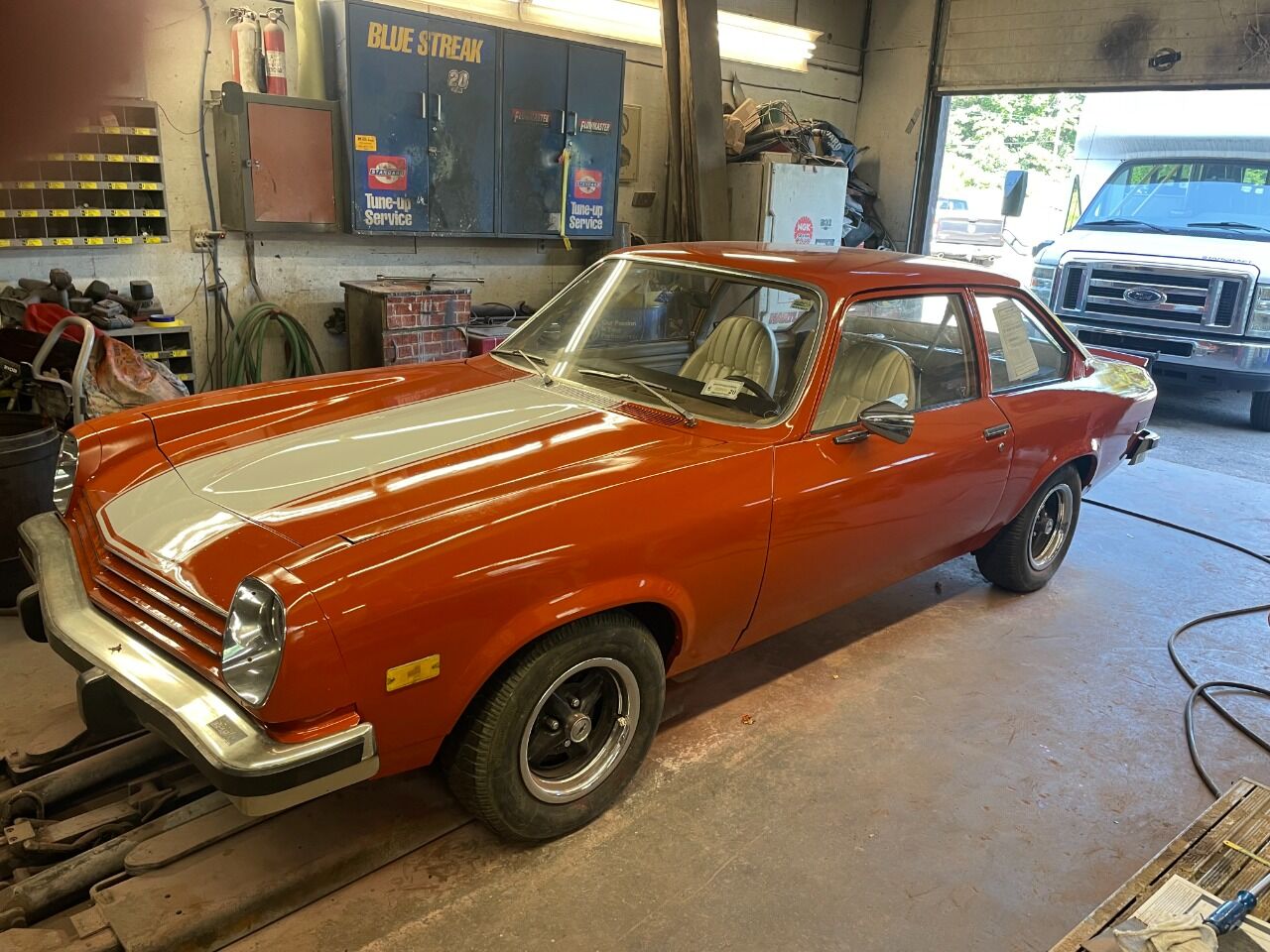

1977 Chevrolet Vega: A Compact Car's Final Chapter
The 1977 Chevrolet Vega represented the fifth and final model year for this subcompact offering from Chevrolet. By this point, the Vega had undergone a series of updates and revisions in an attempt to rectify some of its earlier criticisms and appeal to a broader market. While it never achieved the runaway success of some of its GM stablemates, the 1977 Vega remained a budget-conscious and fuel-efficient option for American consumers seeking economical transportation.
Key Features and Changes:
The 1977 Vega continued to offer a range of body styles, although the most popular and enduring were the hatchback coupe and the wagon. Other body styles like the notchback coupe and sedan had been phased out in earlier years.
- Powertrain: The primary engine option for the 1977 Vega was the 2.3-liter (140 cubic inch) inline-four cylinder engine. This engine, while not a powerhouse, was designed for fuel economy. It was typically paired with either a three-speed manual transmission or an optional three-speed automatic transmission. Chevrolet continued to offer various performance and emissions-related tweaks to this engine over the years, aiming to improve its drivability and reduce emissions.
- Styling: The exterior styling of the 1977 Vega remained largely consistent with the design introduced in 1974. This era saw the Vega adopt a more rounded and somewhat generic appearance compared to the more distinctive original styling. The hatchback featured a prominent rear liftgate, a practical feature for cargo access.
- Interior: The interior of the 1977 Vega was utilitarian and focused on affordability. It featured a straightforward dashboard layout with essential gauges and controls. Seating was generally for four passengers, with a rear bench seat. Interior materials were typical of the subcompact segment of the era, prioritizing durability over luxury.
- Trim Levels: While specific trim designations could vary, the Vega was generally available in base models and more equipped versions that might offer upgraded upholstery, more sound insulation, or minor exterior trim enhancements.
- Improvements Over Predecessors: Chevrolet had worked to address some of the early Vega's notorious issues, particularly regarding rust prevention and engine reliability. While improvements were made, the Vega's reputation for susceptibility to corrosion and engine longevity issues continued to linger for some consumers.
Market Position and Legacy:
The 1977 Chevrolet Vega competed in the burgeoning subcompact car market against rivals like the Ford Pinto, AMC Gremlin, and various Japanese imports such as the Datsun (Nissan) B210 and Toyota Corolla. In this competitive landscape, the Vega offered a familiar American brand name and a lower price point than many of its competitors.
Despite Chevrolet's efforts to refine the Vega, its legacy remains a complex one. It is often remembered for its early quality control issues and susceptibility to rust, which tarnished its reputation. However, for many buyers in the 1970s, the Vega represented an accessible and relatively fuel-efficient way to get around. The hatchback and wagon variants, in particular, offered a degree of versatility that appealed to families and individuals needing practical, everyday transportation.
The discontinuation of the Vega after 1977 marked the end of an era for Chevrolet's initial foray into the highly competitive subcompact segment. Its successor, the Chevette, would carry the torch for GM's small car efforts for much of the following decade. The 1977 Vega, therefore, stands as a chapter in Chevrolet's history that highlights the challenges and lessons learned in developing and marketing small, affordable cars in a rapidly evolving automotive landscape.