

1975 Chevrolet Caprice: The Epitome of American Luxury and Comfort
The 1975 Chevrolet Caprice represented the zenith of Chevrolet's full-size luxury sedan offerings. Building upon its established reputation for comfort, spaciousness, and a smooth ride, the Caprice continued its reign as a popular choice for American families and those seeking a dignified and well-appointed automobile. For 1975, Chevrolet refined the Caprice, incorporating subtle aesthetic updates and adhering to evolving automotive regulations, all while maintaining its core appeal.
Styling and Design:
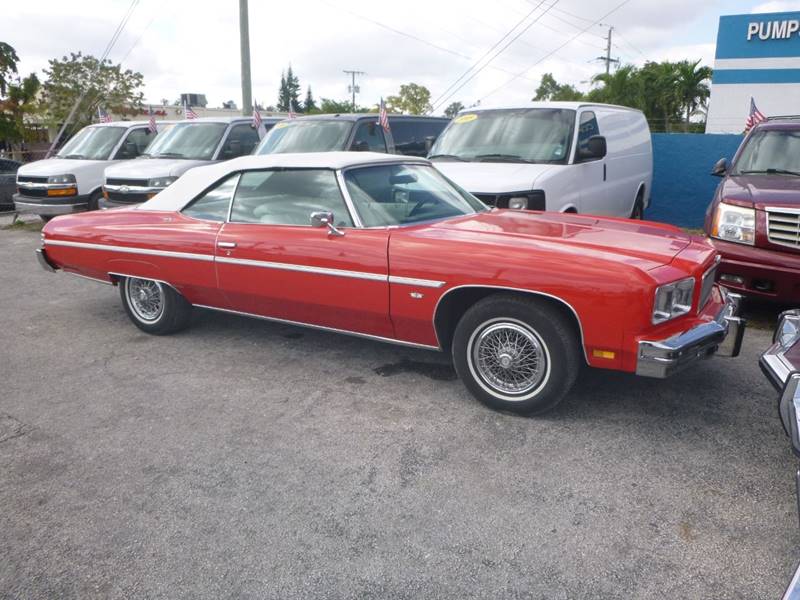
The 1975 Caprice featured the characteristic "personal luxury" styling that had become synonymous with the nameplate. Its long, flowing lines, prominent grille, and substantial presence on the road exuded an air of sophistication and prestige.
- Front Fascia: The iconic Chevrolet grille was a dominant feature, often featuring a large, horizontal mesh pattern. Rectangular headlights, typically quad units, were set into deeply sculpted bezels. The front bumper was substantial, chrome-plated, and integrated into the overall design.
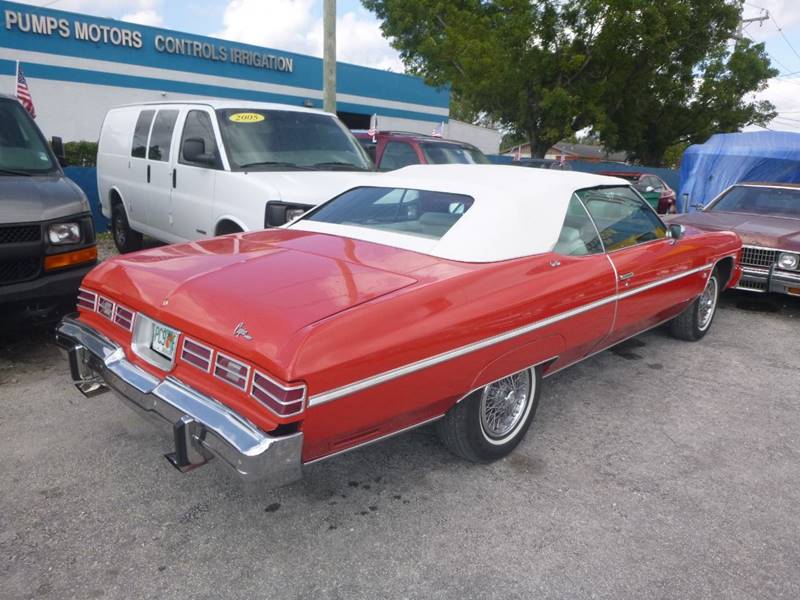
- Profile: The Caprice was available in a variety of body styles, most notably the four-door sedan and the two-door coupe. The sedan offered a generous greenhouse with large side windows, contributing to excellent visibility. The coupe often featured a more dramatic roofline, sometimes with a vinyl top option for added luxury. Chrome trim adorned the window surrounds, side moldings, and door handles.
- Rear: The rear of the Caprice was characterized by large, rectangular taillights, often bisected by chrome trim. The trunk lid was expansive, offering ample cargo space. Again, a prominent chrome bumper complemented the rear styling.
- Wheels: Standard wheels were typically steel with full wheel covers, often featuring the Chevrolet "Bow Tie" emblem. Optional wire wheel covers or larger alloy wheels were also available.
Interior and Comfort:
The interior of the 1975 Caprice was designed with passenger comfort and luxury as a paramount concern. It offered a spacious and inviting environment, perfect for long journeys.
- Seating: The Caprice typically featured bench seating in both the front and rear, upholstered in high-quality fabrics, vinyl, or optional leather. The front bench seat often included an armrest. The ample width of the cabin ensured comfortable seating for up to six passengers.
- Dashboard and Instrumentation: The dashboard was a functional yet elegant affair, typically featuring a horizontal layout. A full array of instruments, including a speedometer, fuel gauge, oil pressure gauge, and temperature gauge, were housed in a cluster behind the steering wheel. Options like a tachometer were less common in this luxury-oriented model.
- Features and Amenities: Standard features were generous and contributed to the Caprice's luxury positioning. These included power steering, power brakes, and an automatic transmission. Options added further convenience and luxury, such as air conditioning, power windows, power door locks, a tilt steering wheel, cruise control, and an AM/FM stereo radio with an 8-track tape player or cassette player.
- Materials and Trim: The interior was appointed with a combination of durable and attractive materials, including soft-touch plastics, woodgrain accents on the dashboard and door panels, and chrome trim for a premium feel.
Powertrain and Performance:
The 1975 Caprice offered a range of potent V8 engines, prioritizing smooth power delivery and effortless cruising.
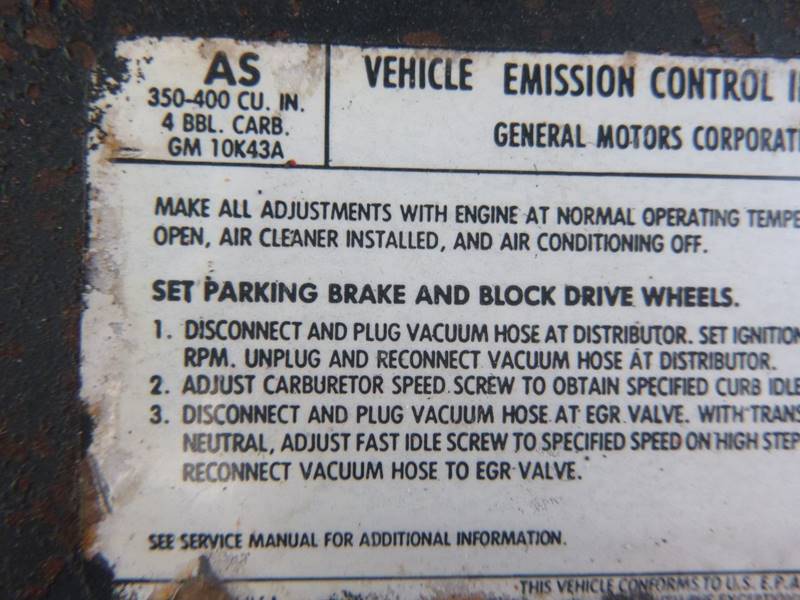
- Engines: The base engine was typically a 350 cubic inch V8. For those seeking more power, larger displacement options like the 400 cubic inch V8 and the legendary 454 cubic inch V8 were available. These engines provided robust torque, ideal for confident acceleration and towing.
- Transmission: All Caprice models were equipped with a Turbo-Hydramatic three-speed automatic transmission, known for its smooth shifting and reliability.
- Suspension: The Caprice rode on a sophisticated independent front suspension and a solid rear axle with a live differential. This setup, combined with a long wheelbase and plush suspension tuning, delivered the renowned "cloud-like" ride quality that Caprice owners expected.
- Braking: Power front disc brakes were standard, offering effective stopping power for such a substantial vehicle. Rear drum brakes provided the stopping force at the rear.
Safety:
While safety features were not as advanced as they are today, Chevrolet included several standard and optional safety measures in the 1975 Caprice:
- Seat Belts: Three-point seat belts were standard in the front and lap belts in the rear.
- Energy-Absorbing Steering Column: Designed to collapse in the event of a frontal impact.
- Dual-Headrest Seats: Provided improved head and neck protection.
- Side-Guard Door Beams: Offered protection in side impacts.
- Optional Features: Anti-lock braking systems were not available, but features like heavy-duty cooling and suspension could contribute to overall vehicle robustness.
Legacy:
The 1975 Chevrolet Caprice remains a celebrated example of American automotive engineering and design from the mid-1970s. It embodies a bygone era of grand touring sedans, prioritizing comfort and luxury over outright sportiness. Today, these Caprices are appreciated by collectors and enthusiasts for their timeless styling, comfortable ride, and the nostalgic charm they represent. They are often seen as comfortable cruisers, perfect for road trips or simply enjoying the open road in style.