

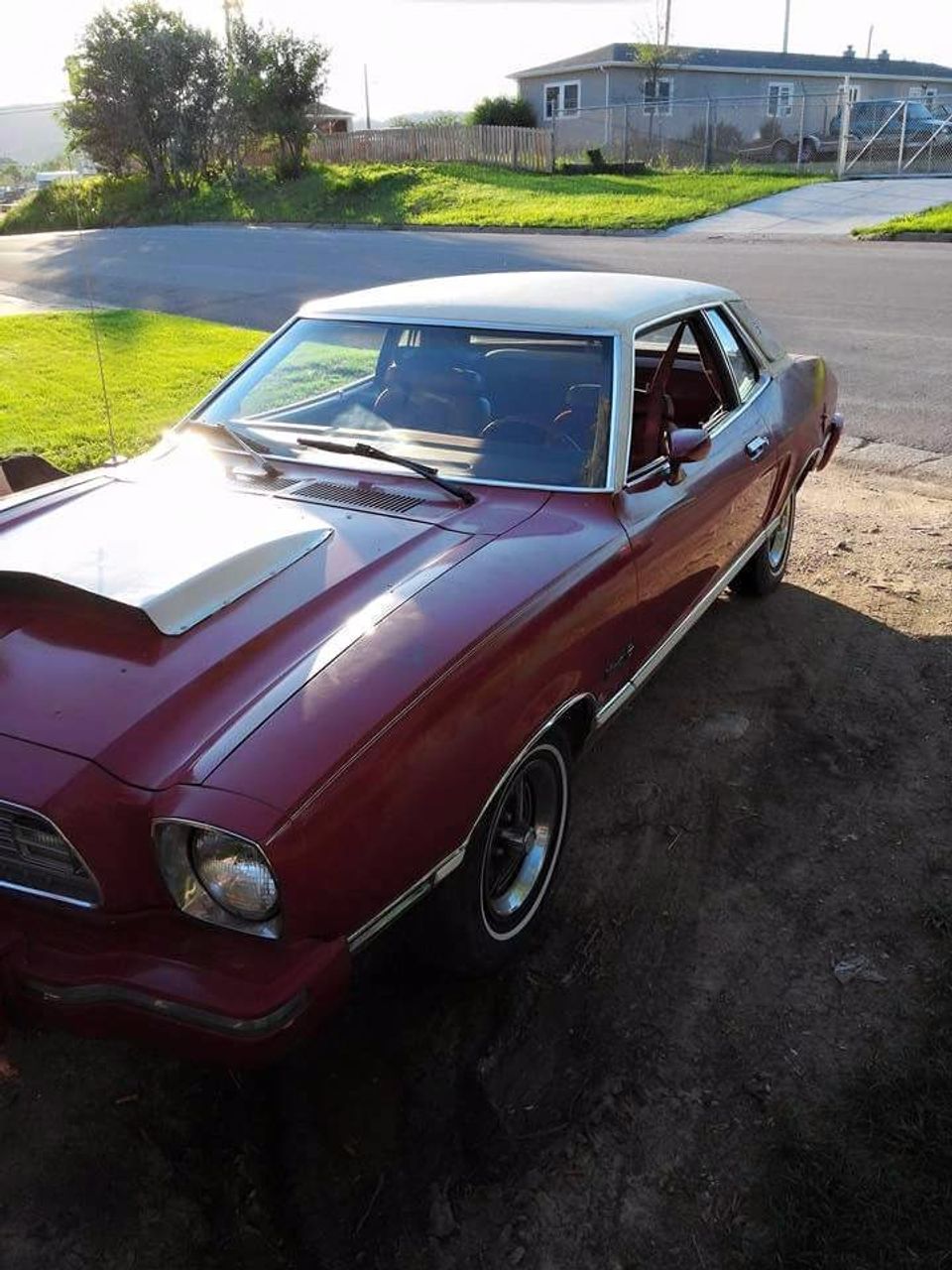
1974 Ford Mustang: A Bold New Direction
The 1974 Ford Mustang marked a significant departure from the pony car lineage that had defined its predecessors. Faced with rising insurance costs for powerful engines, tightening emissions regulations, and the lingering effects of the 1973 oil crisis, Ford made the bold decision to downsize the Mustang for its third generation. The result was the Mustang II, a car that embraced a more European, compact sport coupe aesthetic, moving away from the aggressive muscle car image and toward a more refined, personal luxury feel.
Key Features and Design:
The Mustang II was a complete redesign, sharing its platform with the Pinto. This was a radical shift, as the previous Mustangs were based on the larger Falcon platform.
-
Body Styles: The Mustang II was offered in three distinct body styles:
- 2-Door Hardtop: This was the most common and popular body style, featuring a sleek, coupe-like profile with a fixed B-pillar.
- 2-Door Hatchback: This offered a more practical and sporty option, with a rear hatch providing access to the cargo area. This body style was particularly well-received.
- Ghia (2-Door Hardtop Deluxe): This luxurious variant, developed in collaboration with Ghia of Italy, offered a more upscale interior, a vinyl roof, and unique trim.
-
Exterior Styling: The exterior of the Mustang II was characterized by:
- Smaller Dimensions: Significantly shorter and narrower than the 1973 model, the Mustang II felt more agile and compact.
- Long Hood, Short Deck: This classic pony car proportion was retained, though in a more restrained manner.
- Aggressive Front End: A prominent grille, often with vertical bars, and quad headlamps gave the Mustang II a distinctive and somewhat assertive front fascia.
- Tapered Rear: The rear of the car featured a somewhat squared-off design with wraparound taillights, a departure from the iconic three-segment taillights of earlier Mustangs.
- Increased Use of Glass: The hatchback and larger windows contributed to a more open and airy feel.
-
Interior Design: The interior of the Mustang II aimed for a more sophisticated and comfortable experience:
- Improved Materials: Compared to previous base models, the Mustang II offered better quality interior materials.
- Bucket Seats: Standard bucket seats provided a sporty feel, with optional upgraded seats and consoles available.
- Modern Dashboard: The dashboard featured a more contemporary layout with clear instrumentation.
- Optional Luxury Touches: The Ghia model, in particular, offered a plush interior with woodgrain accents and upgraded upholstery.
Powertrain Options:
The engine lineup for the 1974 Mustang II was a stark contrast to the V8-heavy offerings of previous years, reflecting the automotive climate of the era.
- Base Engine: The standard engine was the 2.3L (140 cu in) inline-four cylinder, producing around 90-100 horsepower. This engine was chosen for its fuel efficiency and lower insurance premiums.
- Optional V6 Engine: A more powerful option was the 2.8L (171 cu in) V6, offering around 105-122 horsepower. This was the V6 previously used in the Mercury Capri.
- The King Cobra (Late 1974 Introduction): While the primary focus was on smaller engines, Ford did introduce a performance-oriented package late in the model year called the King Cobra. This featured a 302 cu in (4.9L) V8 engine, but it was detuned to meet emissions standards and produced around 140 horsepower. It also came with distinctive Rally Stripe graphics and a shaker hood scoop, attempting to evoke the spirit of past V8 Mustangs. However, its performance was still a far cry from the muscle cars of the early 70s.
Trim Levels and Options:
The Mustang II was available in several trim levels, offering varying degrees of features and luxury.
- Base Mustang II: The entry-level model, offering a straightforward and affordable package.
- Mustang II MPG: Focused on fuel economy, with specific badging and possibly some aerodynamic enhancements.
- Mustang II Grande: Offered a more luxurious experience with upgraded interior and exterior trim, similar to the previous Grande models.
- Mustang II Cobra: This performance-oriented trim, introduced in 1975 but with the King Cobra package available in late '74, featured sportier styling cues, including blackout grilles, chin spoilers, and aggressive striping.
- Mustang II Ghia: The most luxurious option, as mentioned earlier, with a European-inspired design and enhanced comfort features.
Reception and Legacy:
The 1974 Mustang II was a commercial success for Ford, selling over 386,000 units in its debut year. It resonated with consumers looking for a stylish, fuel-efficient, and more affordable alternative to larger, less efficient cars.
However, for many enthusiasts, the Mustang II represented a dilution of the Mustang's core identity. The move away from powerful V8 engines and the adoption of the Pinto platform alienated some of the loyal Mustang fanbase who craved the muscle car heritage.
Despite the criticism from some purists, the Mustang II successfully navigated the challenging automotive landscape of the mid-70s. It introduced a new generation of buyers to the Mustang nameplate and paved the way for future iterations of the iconic pony car, demonstrating Ford's adaptability and willingness to evolve the Mustang to meet changing market demands. The Mustang II, while controversial, played a crucial role in the survival of the Mustang brand during a difficult period.