

1973 Chevrolet Caprice: The Pinnacle of Full-Size American Luxury
The 1973 Chevrolet Caprice represented the zenith of Chevrolet's full-size offerings, a testament to American automotive design and engineering of the era. Slotting at the top of the Caprice lineup, which had been introduced in 1965 as a prestigious trim level for the Impala, the Caprice sedan and coupe embodiments of comfort, style, and an undeniable presence on the road. For 1973, the Caprice continued to refine its already successful formula, building upon the styling cues of the previous year while incorporating subtle yet significant updates that kept it competitive in the burgeoning personal luxury car market.
Styling and Design:
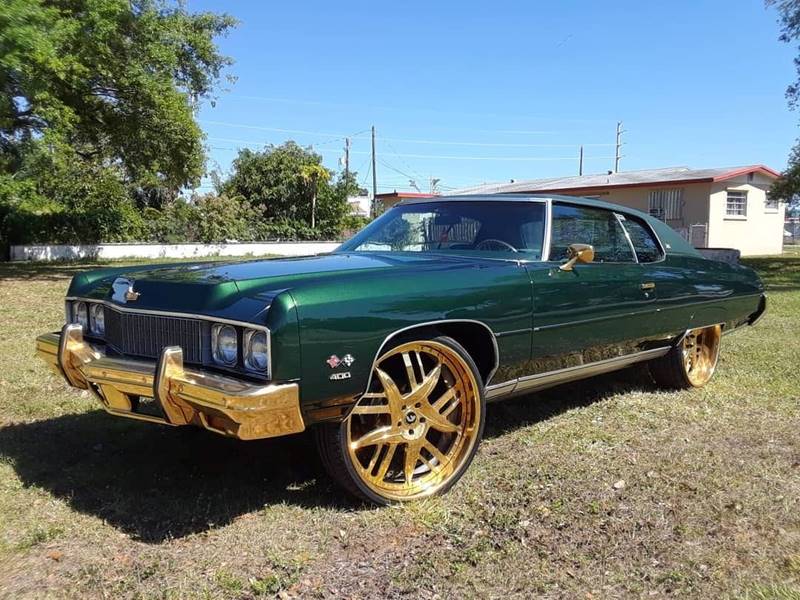
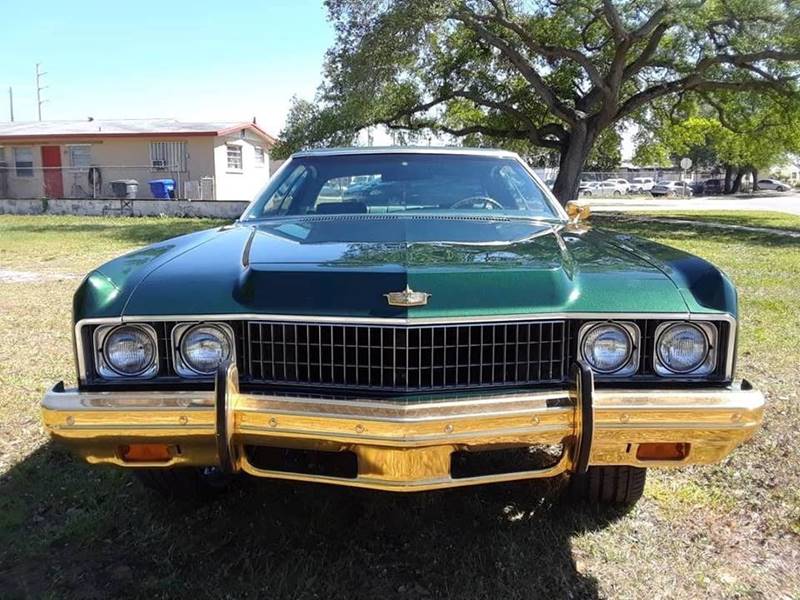
The 1973 Caprice sported the characteristic long, flowing lines that defined large American sedans of the period. The front fascia was dominated by a prominent egg-crate grille, a signature Chevrolet styling element that exuded a sense of refinement and exclusivity. Rectangular headlamps were now standard, flanking the grille and contributing to a wider, more imposing stance. The front fenders featured prominent "Caprice" badging, clearly denoting its premium status.
The profile of the Caprice was characterized by a distinct character line that ran the length of the body, adding visual interest and a sense of motion. The wheelbase remained substantial, contributing to a smooth ride and a spacious interior. For 1973, the side marker lights were integrated into the bodywork for a cleaner look. The rear styling was equally distinctive, often featuring a prominent bumper and horizontally oriented taillights that emphasized the car's width. Buyers could choose from a range of body styles, including a four-door sedan, a two-door coupe, and the often-favored four-door hardtop (which, despite the name, typically featured a fixed B-pillar but frameless door glass for a "pillarless" look with the windows down).
Interior and Comfort:
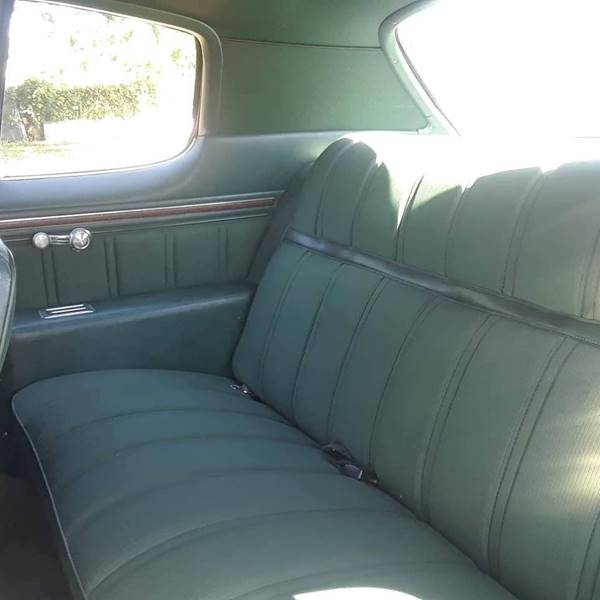
Inside, the Caprice truly lived up to its luxury aspirations. The cabin was spacious and appointed with high-quality materials, reflecting the premium positioning of the model. Plush seating, often upholstered in cloth or vinyl, provided exceptional comfort for driver and passengers alike. Woodgrain accents on the dashboard and door panels added a touch of warmth and sophistication.
Standard features were generous, often including power steering, power brakes, automatic transmission, and a robust climate control system. Options further enhanced the luxury experience, with buyers able to select features such as air conditioning, power windows, power door locks, tilt steering wheel, cruise control, and an AM/FM stereo radio with an 8-track tape player. The dashboard was a clean and functional design, with easy-to-read gauges and a prominent steering wheel.
Powertrain and Performance:
Underneath its stylish exterior, the 1973 Caprice offered a range of potent V8 engines, catering to the demand for smooth, effortless power. The standard engine was typically a 350 cubic inch V8, providing a good balance of performance and fuel economy for the era. For those seeking more oomph, a larger 400 cubic inch V8 was often available, delivering stronger acceleration and towing capability. The flagship engine option, particularly for those who truly valued performance and the classic American V8 experience, was the mighty 454 cubic inch V8.
All engines were mated to Chevrolet's renowned Turbo-Hydramatic automatic transmission, known for its smooth shifts and reliability. The suspension was tuned for a comfortable and compliant ride, absorbing road imperfections with ease, a hallmark of American luxury cars. While not designed for spirited cornering, the Caprice offered stable and predictable handling for its size and intended purpose.
Key Features and Innovations (for 1973):
- Improved Front Bumper System: As mandated by federal regulations, the 1973 Caprice featured a new 5 mph front bumper system, which was more substantial in appearance and designed to absorb low-speed impacts. This was a visible change from previous years.
- Revised Grille and Taillight Design: Subtle revisions to the grille pattern and taillight configuration differentiated the 1973 model from its predecessors, keeping the styling fresh.
- Standard Rectangular Headlamps: The move to standard rectangular headlamps was a significant styling update, contributing to the car's modern appearance.
- Increased Focus on Safety: While safety features were evolving rapidly in the automotive industry, the Caprice continued to incorporate standard safety equipment of the time, such as three-point seatbelts (though lap belts were often still standard for rear passengers) and padded interior surfaces.
Legacy:
The 1973 Chevrolet Caprice stands as a quintessential example of the American "land yacht." It offered a compelling blend of style, comfort, and V8 power that resonated with buyers seeking a sophisticated and capable personal luxury vehicle. Today, the 1973 Caprice is appreciated by collectors and enthusiasts for its classic styling, spacious interior, and the effortless cruising experience it provides. It represents a bygone era of automotive design where size, comfort, and V8 prowess were paramount.