


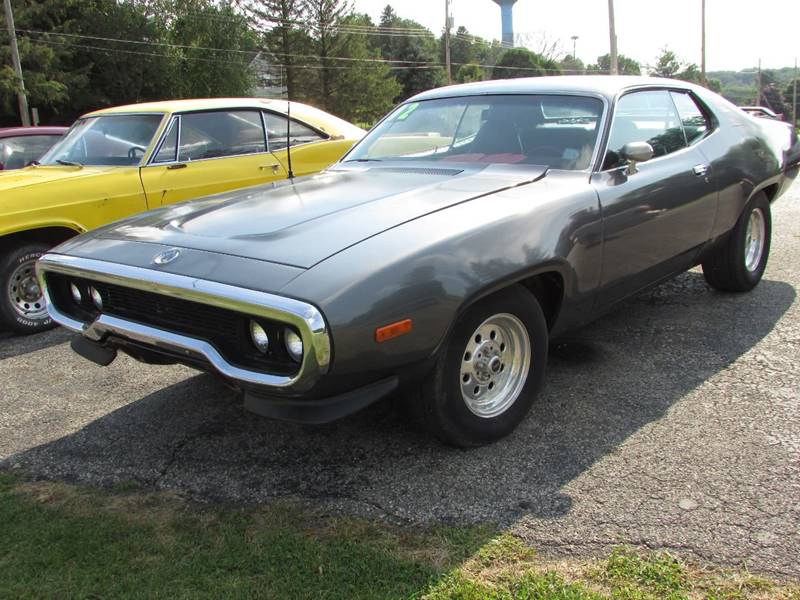

1972 Plymouth Satellite Road Runner: The Last of the Pure Street Fighters
The 1972 Plymouth Satellite Road Runner marked a significant turning point for this iconic muscle car. While still retaining its aggressive styling and performance-oriented ethos, it was a year of transition, responding to new emissions regulations and evolving market demands. Despite these challenges, the '72 Road Runner remained a potent and desirable machine for enthusiasts seeking raw power and a no-nonsense attitude.
Design and Styling:
The Satellite platform, which the Road Runner was based upon, underwent a styling refresh for 1972, bringing a more integrated and less aggressive look compared to its predecessors. The distinct "beak" nose of earlier models was smoothed out, featuring a more conventional grille and a cleaner front-end appearance. However, the Road Runner’s distinct identity was preserved through its signature elements:
- Aggressive Stance: Despite the subtler styling cues, the '72 Road Runner maintained a muscular and purposeful stance, hinting at the performance lurking beneath its skin.
- Road Runner Graphics: The iconic "Road Runner" decals, often prominently featured on the rear quarter panels and hood, continued to be a hallmark of the model. The cartoon bird decal was still present, reinforcing its playful yet powerful persona.
- Functional Hood Scoops: Many Road Runners were equipped with functional, twin-facing hood scoops, adding to their aggressive visual appeal and serving a crucial purpose in feeding cool air to the potent engines.
- Body Styles: Available in both two-door coupe and hardtop (pillarless) configurations, the '72 Road Runner offered buyers a choice to match their preference. The hardtop, in particular, exuded a classic muscle car aesthetic.
Powertrain and Performance:
1972 was a pivotal year for muscle car engines due to tightening federal emissions standards. This led to a reduction in horsepower ratings across the board. However, the Road Runner was still a formidable performer.
- Standard Engine: The base engine for the '72 Road Runner was the 340 cubic inch V8. While its gross horsepower rating was officially down from previous years, it remained a spirited engine, especially in its high-performance "340 High Performance" tune.
- Optional Big Blocks: For those seeking ultimate power, the legendary 400 cubic inch V8 was available, and importantly, the mighty 440 cubic inch V8 was still an option, though often detuned slightly for emissions. The most potent offering was the 440 Six Pack, featuring three two-barrel carburetors, which, despite its reduced gross rating, still delivered impressive torque and acceleration.
- Transmission Options: Buyers could opt for a 3-speed TorqueFlite automatic transmission or a 4-speed manual transmission, with the latter being the purist’s choice for maximum engagement.
- Suspension and Brakes: The Road Runner typically featured a sport-tuned suspension and upgraded brakes to handle the increased power. This contributed to its reputation for agile handling for a muscle car of its era.
Interior and Features:
The interior of the 1972 Road Runner was functional and driver-focused, eschewing excessive luxury in favor of practicality.
- Bucket Seats: Standard bucket seats provided good support for spirited driving.
- Rallye Instrument Cluster: A comprehensive Rallye instrument cluster, often featuring a tachometer, oil pressure gauge, and voltmeter, kept the driver informed of the car's vital signs.
- Minimalist Approach: The interior design was straightforward, with a focus on the essentials for driving. Options like air conditioning and a radio were available, but the core experience was about performance.
Legacy:
The 1972 Plymouth Satellite Road Runner represents the end of an era for this particular breed of unadulterated muscle. While horsepower figures continued to decline in subsequent years, the '72 model still captures the essence of the original Road Runner's appeal: a potent, stylish, and relatively affordable muscle car with a distinct personality. It stands as a testament to Mopar's engineering prowess during a challenging period for performance vehicles, and remains a sought-after classic for collectors and enthusiasts who appreciate its raw character and historical significance.