

1971 Volkswagen Karmann Ghia: A Blend of Style and Practicality
The 1971 Volkswagen Karmann Ghia stands as a testament to elegant automotive design, a sophisticated departure from the utilitarian image often associated with its German origins. Based on the robust and economical Volkswagen Beetle chassis, the Karmann Ghia offered a tantalizing combination of sporty aesthetics and everyday usability, making it a compelling choice for those seeking style without sacrificing practicality.
Design and Styling: Italian Flair, German Engineering
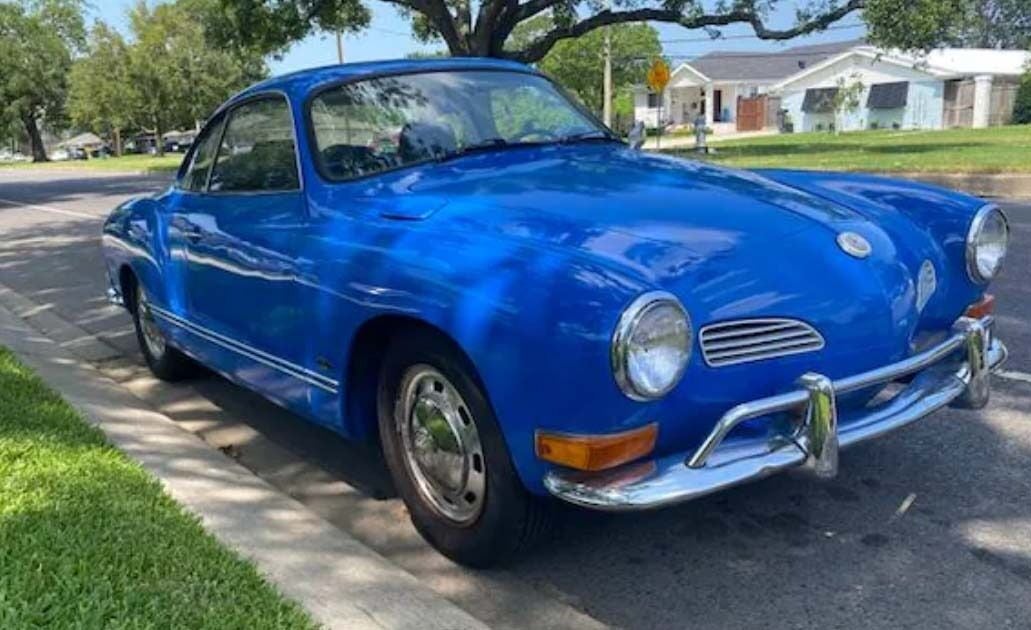
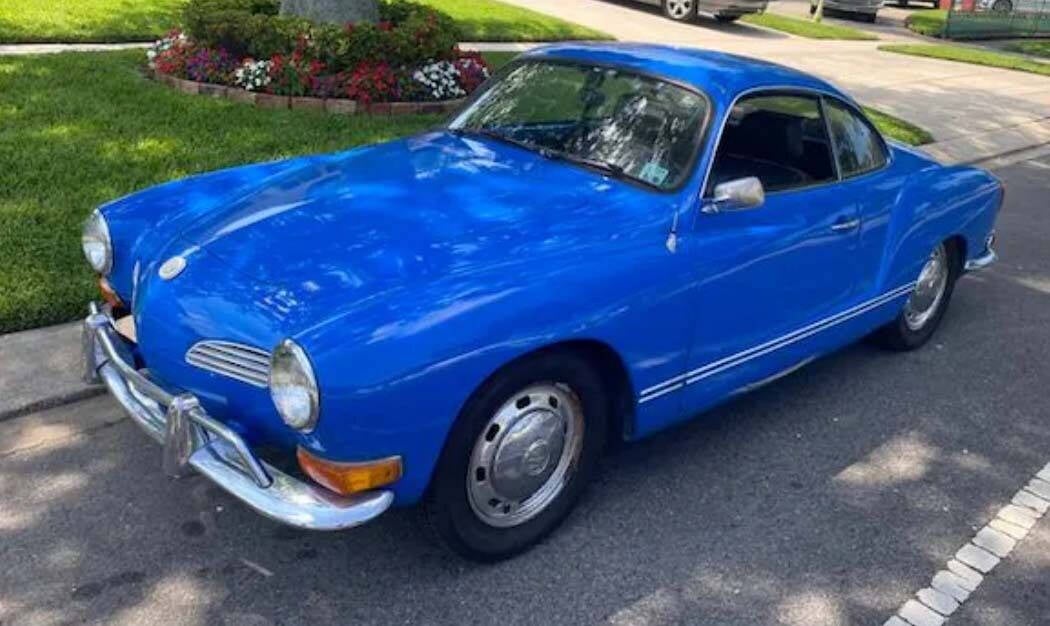
The most striking aspect of the Karmann Ghia is undoubtedly its breathtaking design. Penned by Italian design house Ghia, the coupe (and its convertible counterpart) boasts flowing lines, a low-slung silhouette, and distinctive chrome accents that evoke the spirit of Italian sports cars of the era. The long, sculpted hood, tapered roofline, and wraparound windows contribute to an undeniably elegant and timeless appearance. The signature chrome bumper guards and headlight bezels further enhance its upscale appeal.
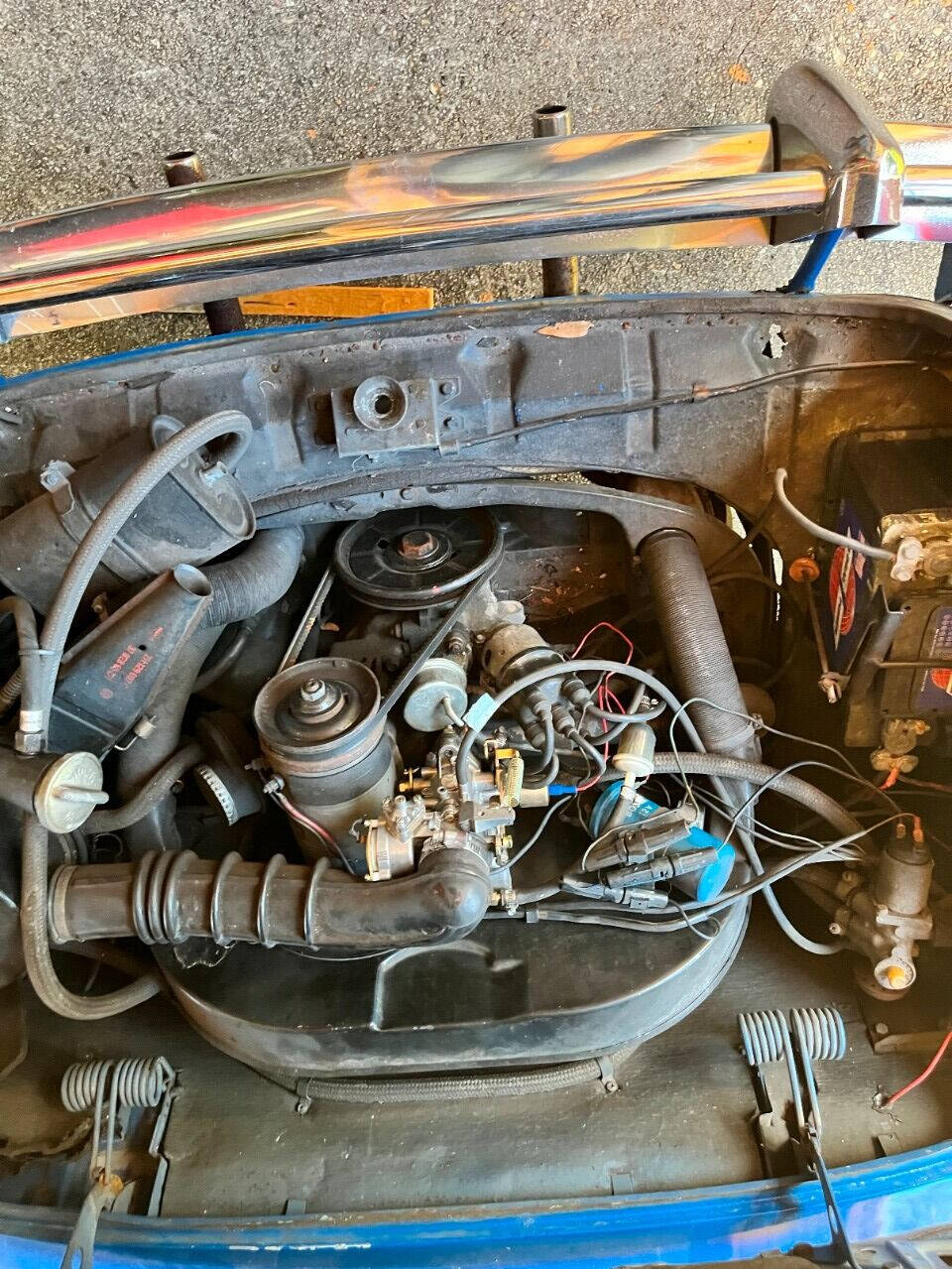
Underneath this beautiful exterior lies the tried-and-true engineering of the Volkswagen Beetle. This meant the Karmann Ghia benefited from a rear-mounted, air-cooled flat-four engine and a rear-wheel-drive layout, providing a unique driving experience and renowned reliability.
Powertrain and Performance: Subtle Power, Refined Cruising
For 1971, the Karmann Ghia was typically equipped with a 1.6-liter (1600cc) air-cooled flat-four engine. While not a powerhouse by contemporary sports car standards, this engine delivered a respectable output of around 60 horsepower. This was ample power for comfortable cruising and spirited driving on winding roads. The engine's rear-mounted placement contributed to the car's balanced weight distribution and offered a characteristic VW engine note.
Transmission options usually included a four-speed manual gearbox, which provided an engaging and direct connection to the drivetrain, or an optional three-speed automatic transmission for a more relaxed driving experience. The Karmann Ghia was designed for comfortable touring rather than outright performance, offering a smooth ride and a refined driving experience for its time.
Interior and Features: A Touch of Sophistication
Stepping inside the Karmann Ghia revealed an interior that mirrored its exterior's elegant aspirations. Unlike the minimalist dashboard of the Beetle, the Karmann Ghia offered a more refined and driver-focused cockpit. The dashboard typically featured a larger, more comprehensive instrument cluster, often including a tachometer and oil pressure gauge, providing the driver with more information.
The bucket seats were designed for comfort and support during longer journeys, and the overall interior ambiance was one of understated luxury. Materials often included vinyl or leatherette upholstery, complemented by chrome trim and a pleasing dashboard layout. The relatively compact dimensions meant seating was primarily for two adults comfortably, with occasional seating available in the rear, albeit with limited legroom.
Driving Experience: Nimble and Engaging
The Karmann Ghia offered a driving experience that was a significant step up from the standard Beetle. Its lower center of gravity and slightly wider track contributed to improved handling and a more planted feel on the road. The independent suspension, a hallmark of Volkswagen's design, provided a compliant ride over various road surfaces.
While acceleration was not its forte, the Karmann Ghia excelled in its nimbleness and its ability to be easily maneuvered through traffic and around corners. The steering was precise and communicative, allowing the driver to feel connected to the road. The braking system, typically drum brakes all around for this model year, provided adequate stopping power for the car's performance capabilities.
Legacy and Appeal: A Timeless Classic
The 1971 Volkswagen Karmann Ghia remains a highly sought-after classic automobile today. Its enduring appeal lies in its beautiful Italian-designed bodywork, which still turns heads decades later, combined with the legendary reliability and mechanical simplicity of its Volkswagen underpinnings. It represents a unique marriage of form and function, offering a taste of European sports car flair at a more accessible price point. For collectors and enthusiasts, it's a rolling piece of art that is as enjoyable to look at as it is to drive, a true icon of automotive design from the golden age of the automobile.