

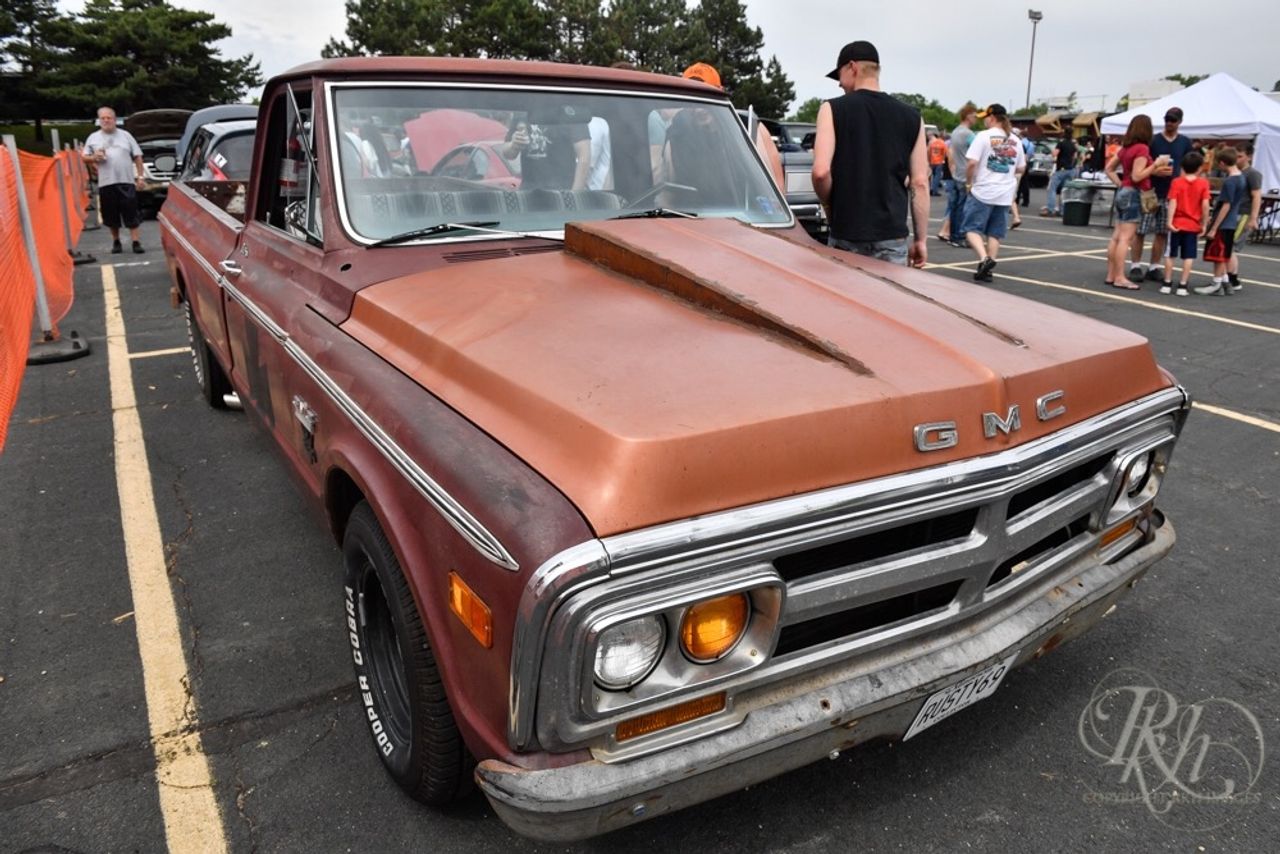
1969 GMC C/K 1500 Series
The 1969 GMC C/K 1500 Series represented a significant evolution for GMC's light-duty pickup truck line, building upon the foundation of the previous generation while introducing a host of refinements and enhancements. This year marked a pivotal moment in the redesign that would define the C/K trucks for the next decade, offering a blend of rugged utility, comfortable interiors, and a broader range of configurations to meet the diverse needs of its customer base.
Design and Styling:
The 1969 model year saw the introduction of a completely new body style for the C/K trucks. Gone were the more rounded contours of the preceding generation, replaced by a more squared-off, modern, and muscular aesthetic. Key design elements included:
- Distinctive Front End: A prominent, squared-off grille dominated the front fascia, often featuring a horizontal bar with the GMC nameplate prominently displayed. The headlights were typically set into individual bezels, giving the truck a strong, purposeful look.
- Straighter Body Lines: The overall profile featured straighter, more assertive character lines running along the sides of the cab and bed, contributing to a more substantial and commanding presence.
- Cab Options: The 1969 C/K 1500 was available in several cab configurations:
- Standard Cab: The most common offering, providing seating for three.
- Custom Cab: An upgraded trim level offering more interior amenities and often exterior brightwork.
- Crew Cab: (Though less common on the 1500 series, more prevalent on heavier duty models, it's worth noting the availability of multi-passenger options within the broader C/K family).
- Bed Styles: A variety of bed lengths were offered to cater to different hauling requirements:
- Fleetside (or Styleside): The smooth-sided bed, offering a cleaner appearance and integrated fenders.
- Stepside (or Fenderside): The traditional bed with external fenders, providing a classic pickup truck look.
- Bed lengths typically included a 6.5-foot and an 8-foot option.
- Wheels and Tires: Standard steel wheels with hubcaps were common, with various tire sizes available depending on the intended application. Optional larger wheels and tires were also available.
Powertrain Options:
GMC offered a robust selection of engines for the 1969 C/K 1500, catering to both performance and economy. The emphasis was on reliable V8 power, although inline-six engines were also available:
- Inline-Six Engines:
- 250 CID Inline-Six: A more economical option, providing adequate power for general hauling and daily driving.
- 292 CID Inline-Six: A larger and more powerful inline-six, offering better torque for tougher tasks.
- V8 Engines:
- 307 CID V8: A common and well-regarded small-block V8, balancing power and efficiency.
- 350 CID V8: Another popular small-block V8, offering a significant boost in performance and towing capability.
- 396 CID V8 (or 402 CID, depending on region/specifics): A larger, more potent big-block V8, reserved for those needing serious hauling power and acceleration.
Transmission Options:
Drivers could choose from a range of transmissions to match their preferences and needs:
- Manual Transmissions:
- 3-Speed Manual: The standard offering, often column-shifted.
- 4-Speed Manual: Providing more gear choices for better control and performance.
- Automatic Transmission:
- 2-Speed Powerglide: A common and reliable automatic transmission, particularly with the smaller engines.
- 3-Speed Turbo Hydra-Matic: Available with the larger V8 engines, offering smoother shifts and better performance.
Chassis and Suspension:
The C/K 1500 was built on a sturdy chassis designed for durability and load-carrying capacity.
- Frame: A robust ladder frame formed the backbone of the truck, engineered to withstand the rigors of work and varied terrain.
- Suspension: The suspension system typically featured:
- Front: Independent front suspension (IFS) was a key advancement, offering a more comfortable ride and better handling compared to solid front axles. This typically consisted of coil springs and control arms.
- Rear: A solid rear axle with leaf springs provided a durable and load-bearing setup.
- Brakes: Power-assisted drum brakes were standard, with optional front disc brakes becoming increasingly available and desirable for improved stopping power.
- Drivetrain: The 1969 C/K 1500 was available in both rear-wheel drive (RWD, denoted by the "C" in C/K) and four-wheel drive (4WD, denoted by the "K" in C/K) configurations. The 4WD system offered enhanced traction for off-road use and challenging conditions.
Interior and Features:
The interior of the 1969 C/K 1500 was functional and designed with the driver in mind, with upgrades available through trim levels.
- Dashboard: A straightforward dashboard featured prominent gauges for speed, fuel, oil pressure, and temperature.
- Seating: Bench seating was standard, accommodating up to three occupants. Bucket seats were available as an option on some trim levels.
- Comfort Features: While basic by modern standards, options like an AM radio, heater, and air conditioning (though rare and expensive at the time) were available to enhance comfort.
- Trim Levels: The "Custom Cab" trim level offered enhanced interior appointments, including upgraded upholstery, more sound deadening, and often more polished interior trim pieces.
Significance and Legacy:
The 1969 GMC C/K 1500 Series marked a turning point for GMC's light-duty trucks. Its updated styling, improved engineering, and expanded powertrain options solidified its reputation as a capable and versatile workhorse, while also appealing to those seeking a stylish and dependable personal vehicle. This generation laid the groundwork for the continued success and evolution of the C/K line, becoming a cornerstone of the American pickup truck market.