

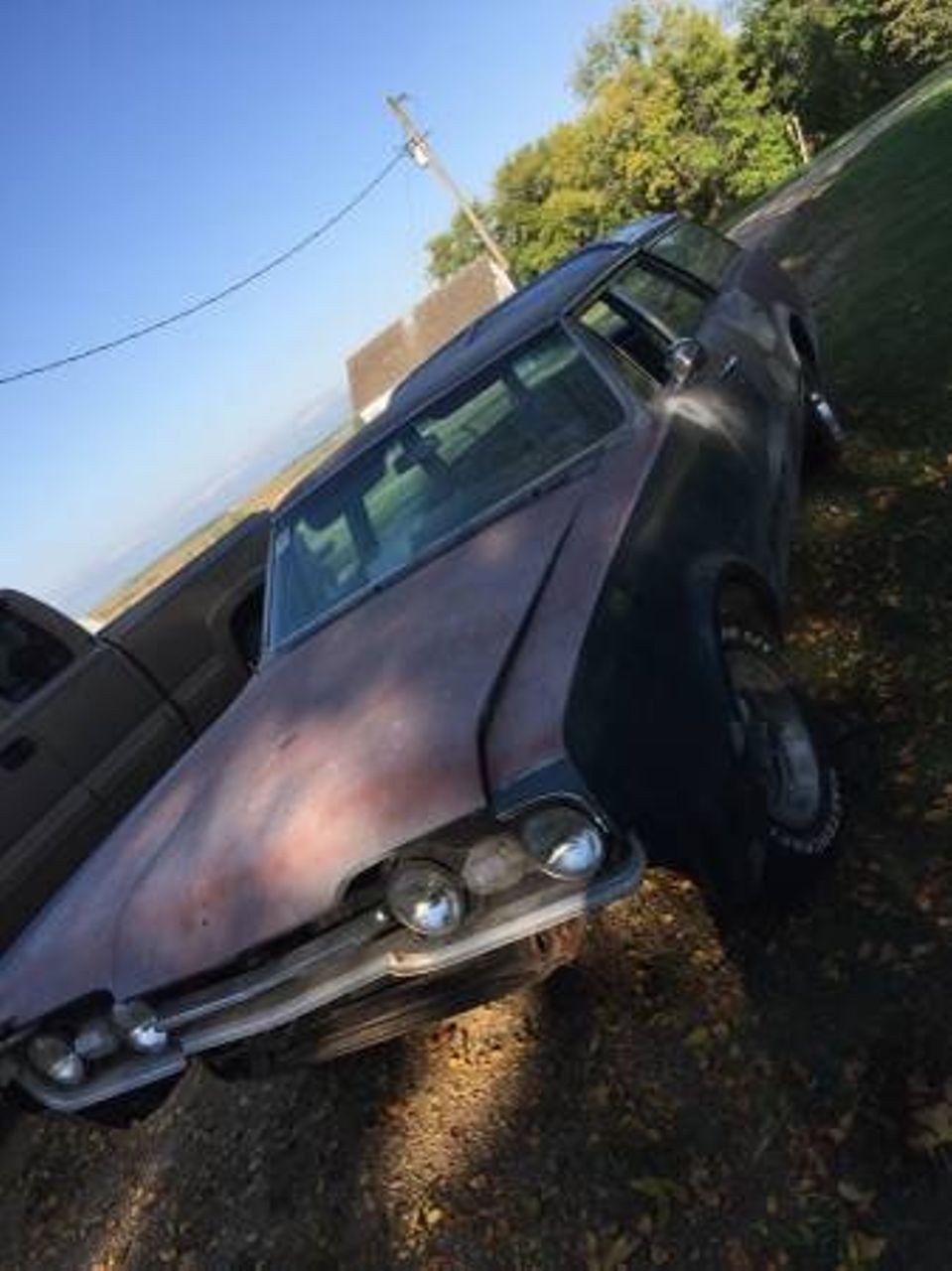
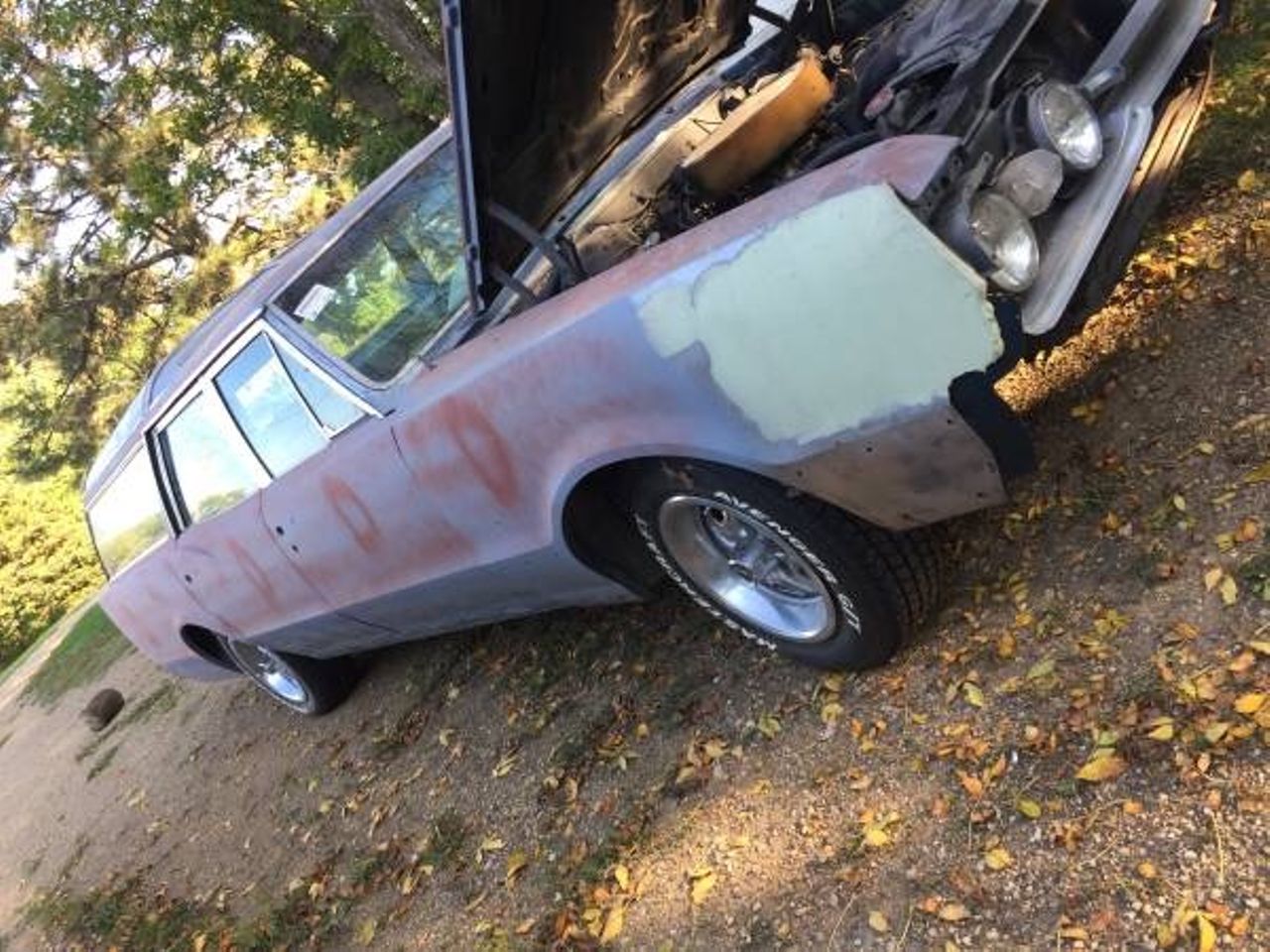
1967 Oldsmobile Cutlass Cruiser: A Comfortable and Capable Family Wagon
The 1967 Oldsmobile Cutlass Cruiser represented a compelling option within the mid-size station wagon market, blending the inherent practicality of a wagon with the stylish flair and upscale appointments that Oldsmobile was known for. Positioned as a more refined and comfortable alternative to some of its competitors, the Cutlass Cruiser offered a practical yet pleasing package for families seeking versatile transportation.
Key Features and Offerings:
- Body Style: The Cutlass Cruiser was exclusively offered as a two-door or four-door station wagon. Its design echoed the clean lines and distinctive styling cues of the larger Oldsmobile lineup, featuring a characteristic grille and often adorned with woodgrain paneling on the exterior, a popular styling trend for wagons of the era.
- Interior Comfort and Space: Inside, the Cutlass Cruiser aimed to provide a comfortable and spacious environment for passengers and cargo. The interior typically featured durable yet attractive upholstery, often in vinyl or cloth, and a well-appointed dashboard with a comprehensive set of instruments. Ample seating capacity, coupled with a generous cargo area accessed through a tailgate (often with a drop-down rear seat), made it ideal for family outings, shopping trips, and hauling.
- Engine Options: Oldsmobile offered a range of potent V8 engines for the 1967 Cutlass Cruiser, providing buyers with choices based on their performance and fuel economy preferences. Standard offerings typically included a 330 cubic inch V8, known for its smooth power delivery. Optional engines often included larger displacement V8s, such as the 400 cubic inch V8, which provided even greater performance and towing capability. These engines were generally paired with robust automatic transmissions, like the Turbo Hydra-Matic, further enhancing the driving experience.
- Driving Dynamics: While not a sports car, the Cutlass Cruiser was designed for comfortable and stable cruising. Its chassis and suspension were tuned to provide a compliant ride, absorbing road imperfections effectively. Power steering and power brakes were common, making the vehicle easy to maneuver and control, even in urban environments.
- Trim and Options: Oldsmobile offered various trim levels and optional features to allow for personalization. Buyers could opt for amenities like air conditioning, power windows, upgraded stereo systems, and different wheel cover styles, further enhancing the car's appeal and comfort.
- Positioning in the Market: The Cutlass Cruiser competed in the burgeoning mid-size wagon segment, facing rivals from Chevrolet (Chevelle Nomad), Ford (Fairlane Squire), and Plymouth (Valiant wagons). Oldsmobile differentiated itself by emphasizing its reputation for quality, comfort, and a slightly more premium feel.
Legacy:
The 1967 Oldsmobile Cutlass Cruiser stands as a representative example of the American family wagon of the late 1960s. It successfully combined practicality with a touch of Oldsmobile's signature style and comfort. Today, these wagons are appreciated by collectors and enthusiasts for their nostalgic appeal, robust engineering, and their role as practical and enjoyable vintage vehicles. They offer a tangible connection to a period when station wagons were a cornerstone of American automotive culture, designed to serve the needs of growing families with a blend of utility and understated elegance.