

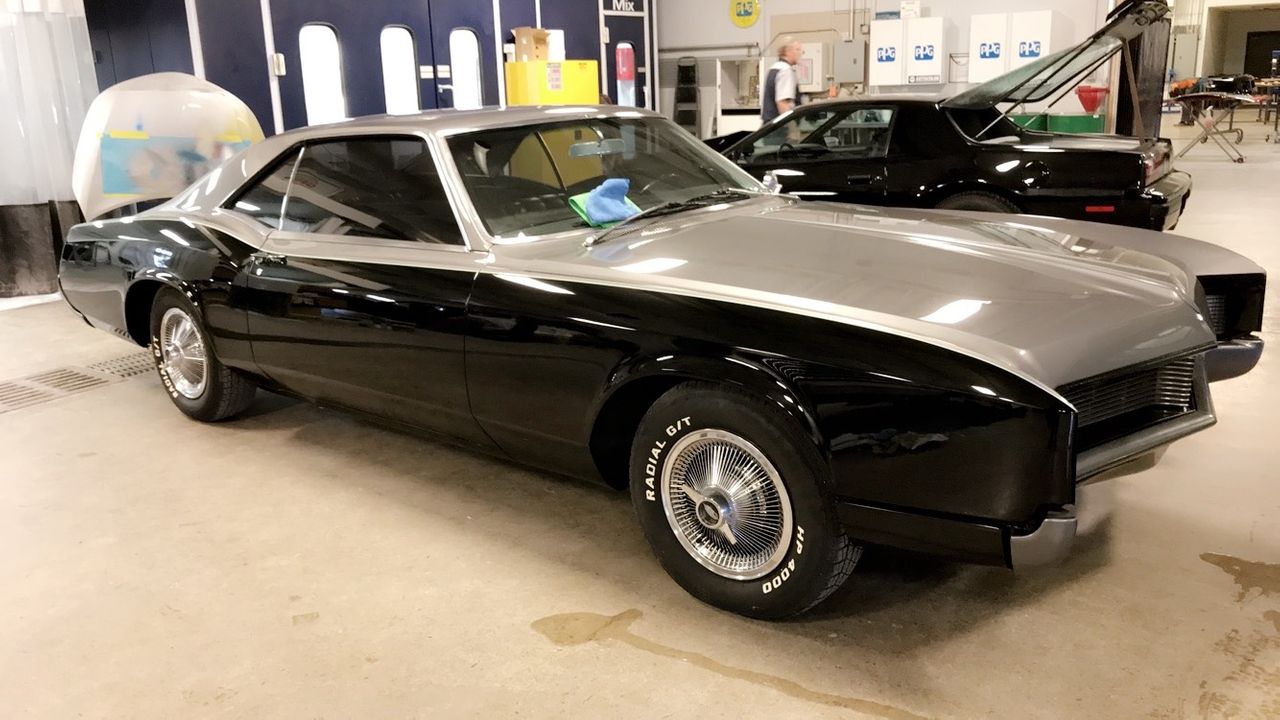
1966 Buick Riviera: The Personal Luxury Coupe Redefined
The 1966 Buick Riviera marked a significant evolution for this iconic personal luxury coupe, building upon the success of its groundbreaking predecessor while introducing a refined and more sophisticated aesthetic. Designed by Bill Mitchell's styling studio, the '66 Riviera continued to embody the essence of American automotive luxury and performance, solidifying its position as a benchmark in its class.
Design and Styling: A Sharper, More Muscular Persona
While retaining the distinctive "boat-tail" profile of the original, the 1966 Riviera received a thorough redesign that emphasized sharper lines and a more aggressive stance.
- Exterior: The most notable change was the introduction of a more angular and chiseled body. The classic Riviera lines were still present, but they were now interpreted with a bolder, more muscular feel.
- Front End: The hidden headlights, a signature feature of the first generation, were replaced with exposed, dual-round headlights flanking a prominent, stand-up grille. This gave the Riviera a more conventional yet potent front-end appearance. The grille itself was a handsome, horizontal mesh design, set within a chrome frame. The bumper was a substantial, chrome unit that wrapped around the front.
- Side Profile: The side panels were cleaner and more sculpted, with a pronounced character line running from the front fender to the rear. The greenhouse featured a slimmer C-pillar, enhancing the sleek, coupe silhouette. New, elegantly styled fender skirts offered an optional touch of classic elegance.
- Rear End: The rear of the car retained the distinctive "boat-tail" inspiration with a sweeping, tapered tail. The taillights were integrated into the rear bumper, a clean and sophisticated design element. The rear bumper was also a substantial chrome piece, echoing the front.
- Interior: The interior of the 1966 Riviera was a testament to Buick's commitment to luxury and comfort.
- Seating: The Riviera typically featured bucket seats in the front, separated by a center console that housed storage and often the gear shifter. A plush rear bench seat provided ample room for passengers.
- Dashboard and Instrumentation: The dashboard was ergonomically designed with clear, easy-to-read instrumentation housed in individual binnacles. The materials used were high-quality, with liberal use of woodgrain accents and chrome trim, creating a sophisticated and upscale atmosphere.
- Features: As a personal luxury car, the Riviera was well-appointed with features like power steering, power brakes, automatic transmission, and often power windows and air conditioning as standard or readily available options.
Powertrain and Performance: Big Block Power
The 1966 Riviera was powered by Buick's formidable V8 engines, offering ample performance for its size and luxury intentions.
- Engine Options:
- 401 CID "Nailhead" V8: This engine, a carryover from previous years, provided strong torque and a refined driving experience. It was rated at 325 horsepower.
- 425 CID V8: For those seeking even more power, the optional 425 cubic inch V8 was available. This larger engine offered increased horsepower and torque, typically producing around 340 horsepower.
- Transmission: All 1966 Rivieras were equipped with Buick's Turbo-Hydramatic three-speed automatic transmission, known for its smooth shifting and responsiveness.
- Chassis and Suspension: The Riviera was built on General Motors' robust rear-wheel-drive "C-body" platform. The suspension was tuned for a comfortable and composed ride, absorbing road imperfections with ease. The long wheelbase contributed to its stable and planted feel on the highway.
Market Position and Legacy
The 1966 Buick Riviera continued to occupy the coveted personal luxury coupe segment, directly competing with cars like the Ford Thunderbird and Cadillac Eldorado. It appealed to buyers who sought a stylish, comfortable, and powerful automobile that exuded sophistication and exclusivity.
The redesign for 1966 proved to be a success, with sales increasing from the previous year. The Riviera's blend of distinctive styling, luxurious appointments, and strong performance made it a desirable choice for those looking for a statement car that was both elegant and capable. The 1966 model year is remembered as a pivotal point in the Riviera's history, showcasing Buick's ability to evolve its flagship model while maintaining its core identity.