1965 Chevrolet Corvair: A Bold Leap Forward
The 1965 Chevrolet Corvair marked a significant turning point for the iconic, yet controversial, rear-engined compact car. Shedding the somewhat awkward styling of its first generation, the 1965 model adopted a completely redesigned body, signaling a renewed commitment from Chevrolet and a desire to move past the safety criticisms that had plagued its earlier years. This generation represented a maturation of the Corvair concept, offering a more sophisticated, powerful, and stylish package.
Design and Styling: A European Flair
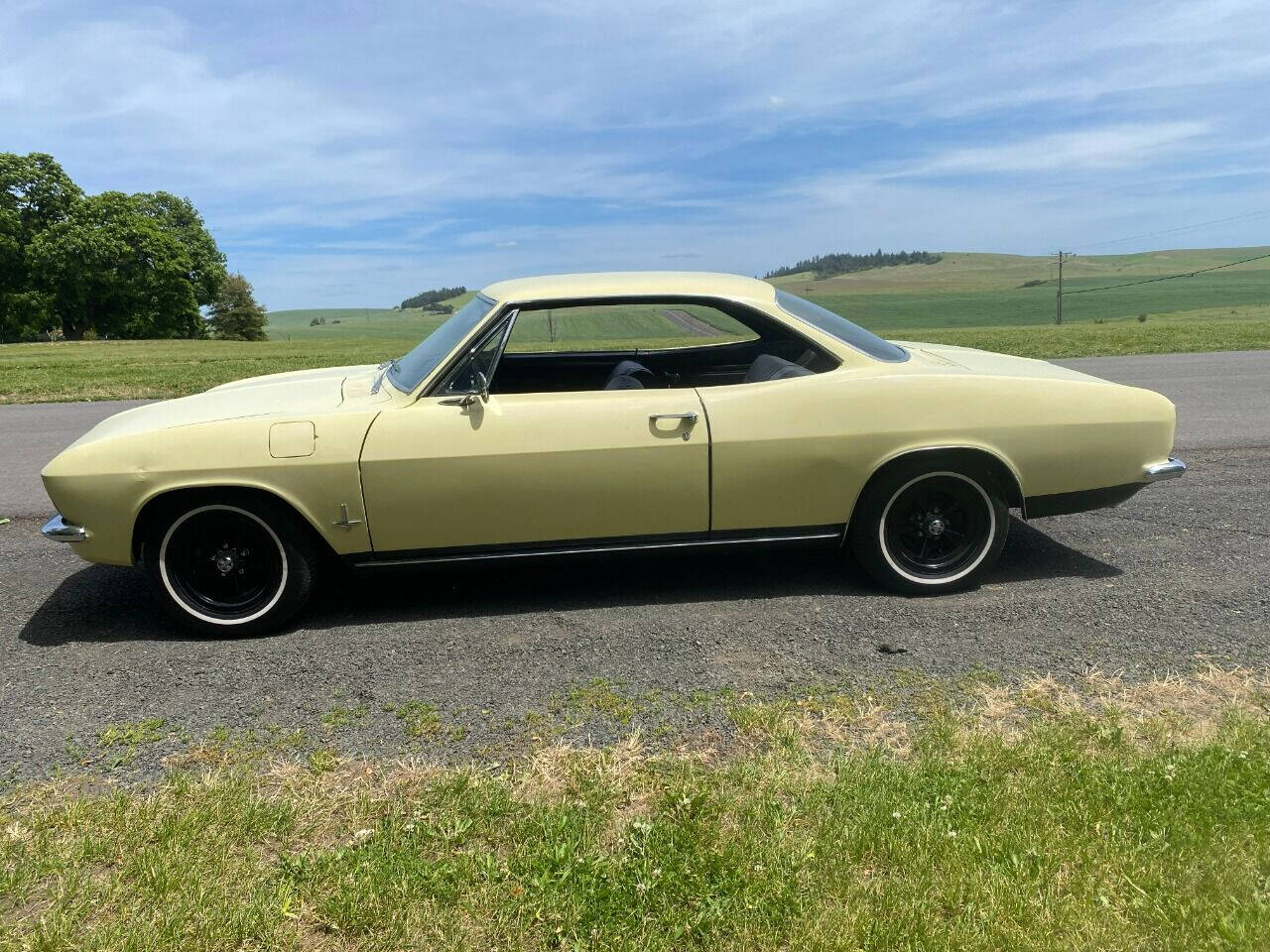
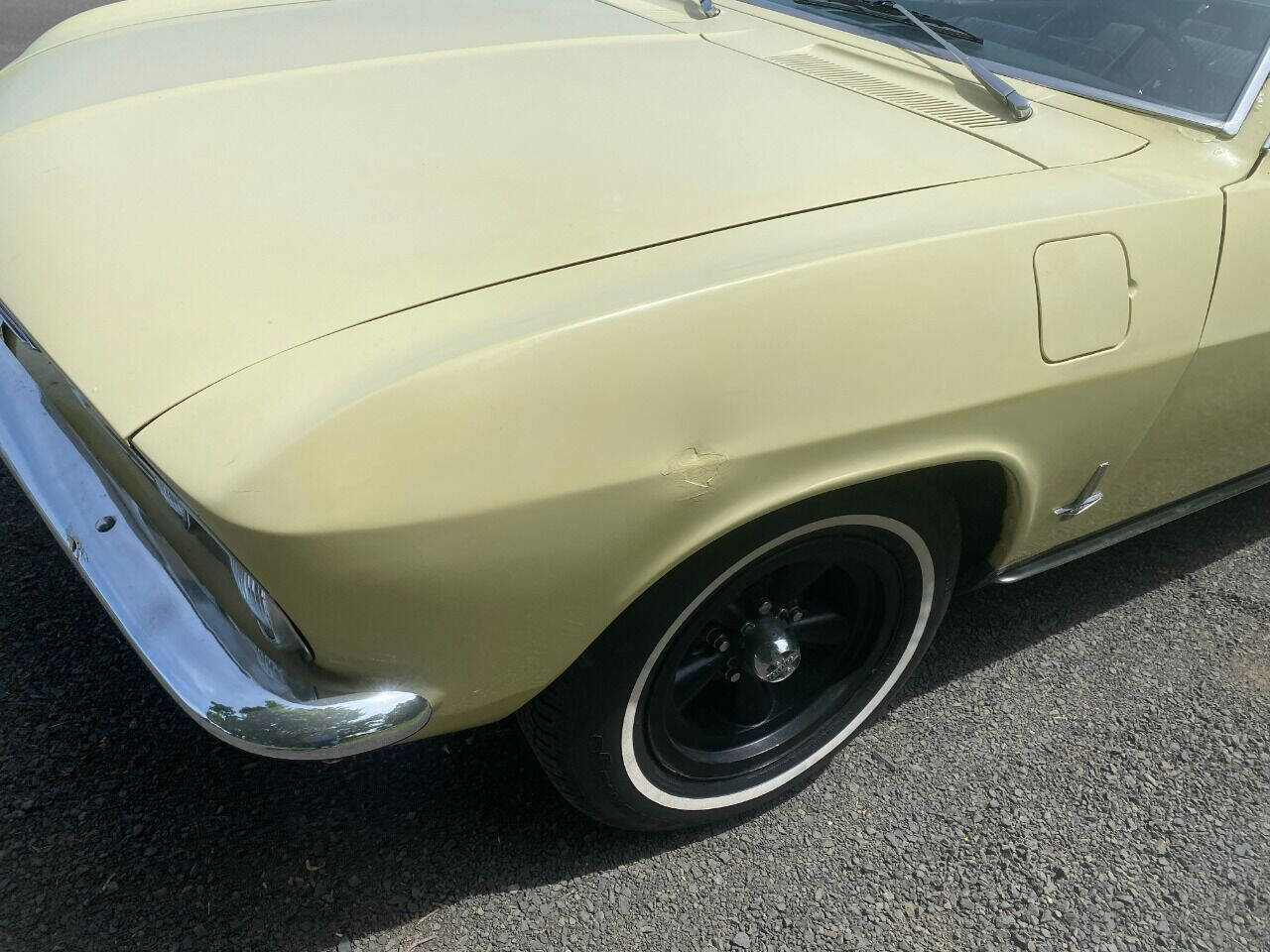
The most striking change for 1965 was the all-new exterior. Gone were the somewhat quirky, upright lines of the first-generation Corvair. In their place, Chevrolet designers penned a sleek, European-inspired silhouette. The body featured crisp, clean lines, a fastback-like roofline on the coupe models, and a generally more elongated and fluid appearance.
Mechanical Advancements: Power and Refinement
Underneath the stylish new skin, the 1965 Corvair also saw significant mechanical improvements. The powertrain, a hallmark of the Corvair, remained its unique rear-mounted, air-cooled flat-six engine.
-
Engine Options:
- Standard Engine: The base engine was typically a 164 cubic inch (2.7-liter) flat-six producing around 95 horsepower.
- Upgraded Engines: More powerful versions were available, particularly in the Monza and Corsa models.
- Monza: Often featured a 164 cubic inch engine with higher compression and a two-barrel carburetor, producing around 110 horsepower.
- Corsa: The performance-oriented Corsa received the most potent offerings, including the legendary 140 horsepower version of the 164 cubic inch engine with four carburetors, and the potent 180 horsepower turbocharged engine. The turbocharger was a significant differentiator for the Corvair, offering impressive performance for its class.
-
Transmissions:
- Manual Transmission: A three-speed manual transmission was standard.
- Powerglide Automatic: Chevrolet's two-speed Powerglide automatic transmission was an optional upgrade, providing a more relaxed driving experience.
- 4-Speed Manual: The Corsa model was often paired with a four-speed manual transmission, further enhancing its sporting credentials.
-
Suspension and Handling: While the rear-engine layout continued, Chevrolet made strides in refining the Corvair's handling. Independent rear suspension, a feature of the first generation, was carried over and further developed to improve ride quality and reduce oversteer tendencies, addressing some of the earlier criticisms.
Trim Levels and Features: Catering to Different Buyers
Chevrolet offered the 1965 Corvair in several trim levels, each with varying levels of luxury and sportiness.
- Corvair 500: The base model, offering essential transportation with a clean and simple design.
- Corvair Monza: The mid-range model, adding more interior appointments and a sportier appearance, often with upgraded engines and exterior trim.
- Corvair Corsa: The top-of-the-line performance model, distinguished by its unique badging, more powerful engine options (including the turbocharger), and often a more luxurious interior.
Key Features and Options:
- Bucket Seats: Standard on Monza and Corsa models, offering a sportier seating position.
- Optional Air Conditioning: A relatively rare but available option, adding comfort for warmer climates.
- AM Radio: A common option for entertainment.
- Power Steering and Brakes: Available options to enhance driver comfort and control.
- Wire Wheel Covers: A popular styling accessory.
Impact and Legacy: A Sophisticated Compact
The 1965 Chevrolet Corvair was a significant improvement over its predecessors. It offered a compelling combination of unique engineering, stylish design, and surprisingly potent performance, especially in Corsa trim. While it never achieved the sales dominance of some of its front-engined competitors, the 1965 model is often regarded as the most refined and aesthetically pleasing iteration of the Corvair. It demonstrated Chevrolet's ability to innovate and adapt, ultimately leaving a lasting legacy as a sophisticated and distinctive American compact car with a European sensibility.