

1962 Ford F-100: A Workhorse Refined
The 1962 Ford F-100 represented a significant evolution in Ford's iconic F-Series lineup, building upon the solid foundation of its predecessors. While not a radical departure, this iteration showcased subtle yet impactful refinements that enhanced its reputation as a dependable and versatile light-duty pickup truck, perfect for both work and increasingly, everyday use.
Key Features and Design Evolution:
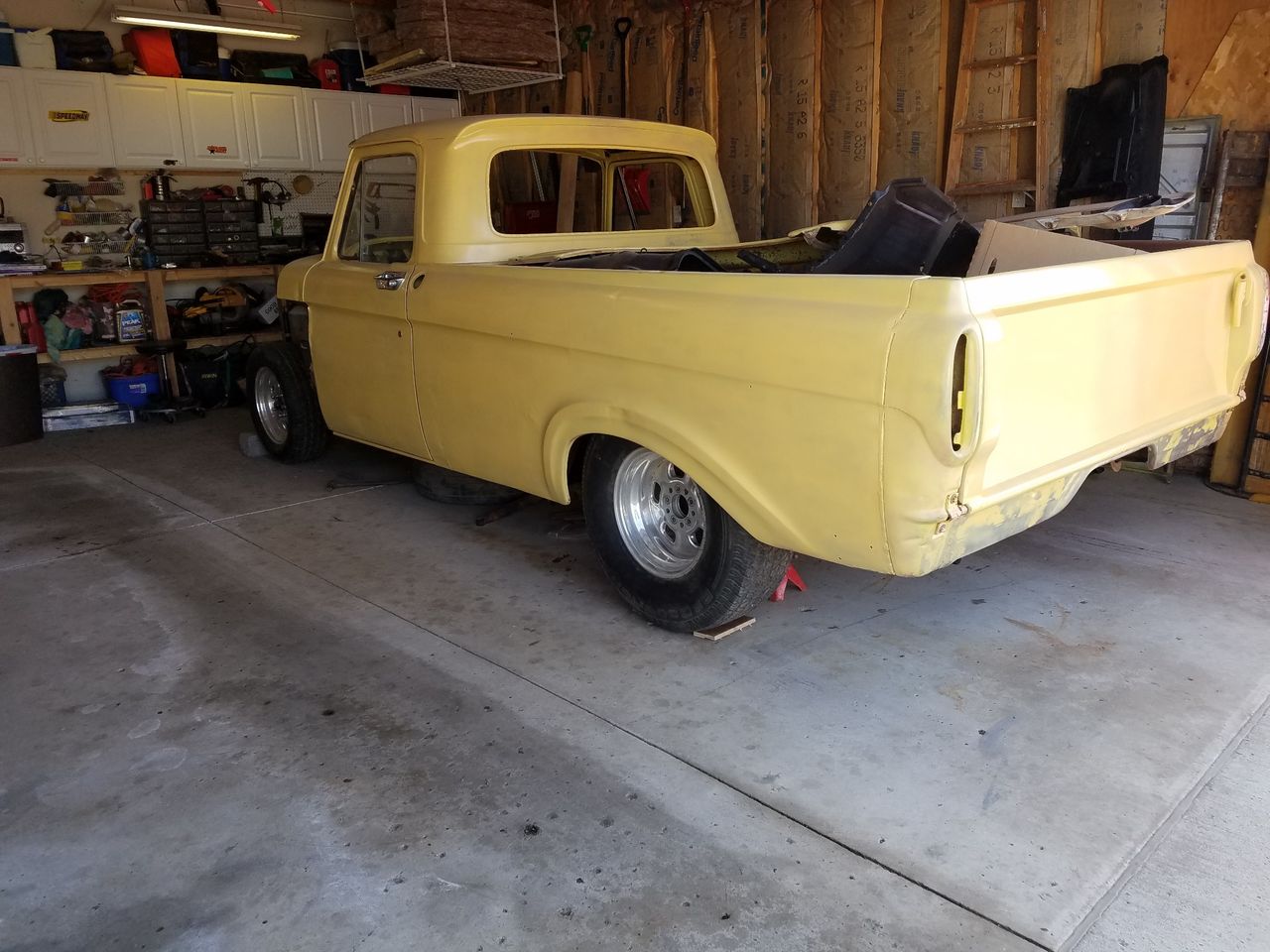
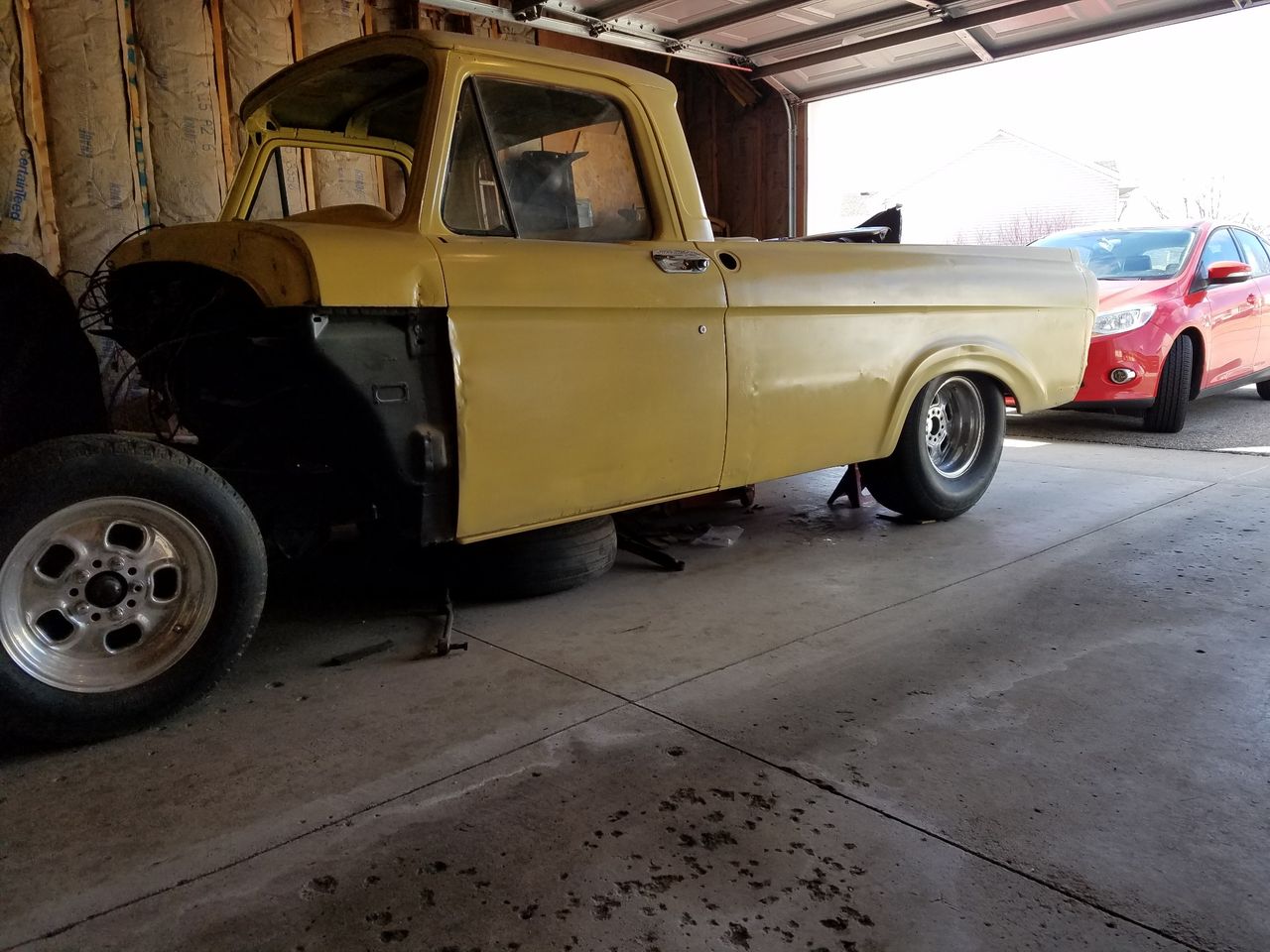
- Styling: The most noticeable exterior change from the previous generation (1957-1960) was a more refined and squared-off aesthetic. The 1962 F-100 adopted a cleaner, more horizontal grille design, typically featuring a prominent horizontal bar with the "Ford" lettering centered. Headlights were still round but were now more integrated into the front fascia. The overall silhouette remained familiar – a classic pickup truck profile with a cab-forward design and a distinct bed. The side trim, while still present, was generally less ornate than some earlier models, emphasizing a more functional look.
- Cab Options: Ford continued to offer its spacious and comfortable "Unibody" cab design, which integrated the cab and bed into a single, unified structure. This provided a smoother ride and a more integrated appearance. For those needing more utility and a traditional separation between cab and bed, a separate "Styleside" bed option was also available.
- Powertrain Options: Under the hood, the 1962 F-100 offered a range of engine choices to suit various needs and preferences:
- 223 cubic inch "Mileage Maker" Inline-6: This was the standard engine, prioritizing fuel economy and reliability for general hauling and daily driving.
- 352 cubic inch "Y-Block" V8: For those requiring more power and torque, the optional 352 V8 provided a substantial boost, making it a popular choice for heavier loads or more demanding tasks.
- Transmission Options: Buyers could choose from a selection of transmissions, including:
- 3-speed manual: The standard offering, known for its durability.
- 4-speed manual: Providing more gear selection for better performance.
- Ford-O-Matic (3-speed automatic): A growingly popular option for those seeking added convenience.
- Suspension and Chassis: The F-100 featured a robust ladder frame chassis, the backbone of its workhorse reputation. The suspension system was designed for durability and load-carrying capacity, typically utilizing leaf springs front and rear. While not the most sophisticated by modern standards, it provided a competent ride for its intended purpose.
- Interior: The interior of the 1962 F-100 was functional and straightforward. Bench seats were standard, offering seating for three. The dashboard was clearly laid out with essential gauges and controls. Materials were durable and designed for the rigors of work, though creature comforts were starting to become more important for some buyers, leading to optional upgrades like better upholstery and radio.
Market Position and Legacy:
The 1962 Ford F-100 continued to be a formidable competitor in the light-duty pickup truck market, directly challenging rivals like the Chevrolet C10 and Dodge D100. It appealed to a broad spectrum of buyers, from farmers and tradesmen who relied on its hauling and towing capabilities to individuals who appreciated its robust build quality and the growing trend of using pickup trucks as personal vehicles.
The 1962 model year marked a period of refinement rather than revolution for the F-Series. It solidified Ford's understanding of what made its trucks successful: reliability, versatility, and a commitment to offering practical solutions for its customers. This iteration helped pave the way for the more significantly redesigned fifth generation of the F-Series, further cementing the F-100's status as a cornerstone of American automotive history and a beloved classic truck today.