


1942 Diamond T Pickup
The 1942 Diamond T pickup truck represents a fascinating, albeit brief, chapter in American automotive history. Produced during a period of intense national mobilization for World War II, these trucks were a testament to the industrial capacity of the United States, yet their civilian production was abruptly curtailed as manufacturing efforts shifted almost entirely to military needs.
Context of Production:
The Diamond T Motor Car Company, known for its robust and well-engineered trucks, was a significant player in the commercial vehicle market. Their pickups were designed for hard work, reliability, and durability, making them popular with farmers, businesses, and tradespeople. However, 1942 marked a turning point. As the United States entered World War II following the attack on Pearl Harbor in December 1941, the War Production Board (WPB) began to restrict the production of civilian goods to prioritize materials and manufacturing for the war effort.
Design and Features:
While specific details can vary slightly based on trim levels and optional equipment, the 1942 Diamond T pickup generally showcased the characteristic styling of its era, blended with the utilitarian purpose of a workhorse.
- Chassis and Powertrain: These trucks were built on sturdy ladder frames designed to handle significant loads. They were typically powered by reliable inline-six gasoline engines, known for their torque and longevity. While exact specifications could vary, these engines provided ample power for hauling and general transportation. A manual transmission, usually a three-speed, was the standard offering.
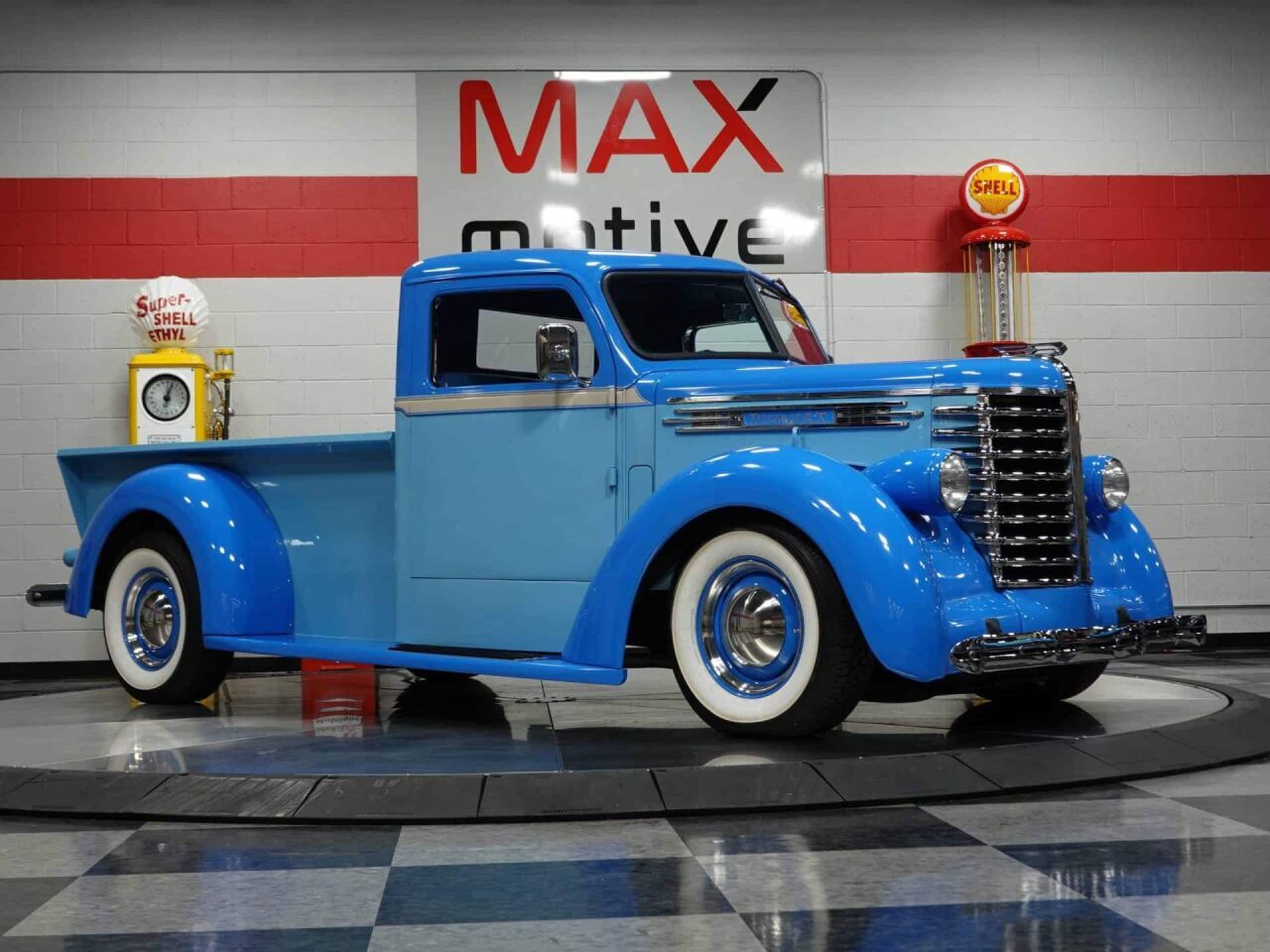
- Body Style: The pickup featured a traditional body-on-frame construction. The cab was functional and offered decent visibility for the driver. The bed was a practical open cargo area, likely with wooden or steel bed slats, designed for transporting goods. Fenders were prominent, a common design element of the period, and the overall aesthetic was solid and purposeful, eschewing unnecessary ornamentation.
- Front End: The distinctive Diamond T grille, often a chrome or painted metal affair, was a key identifier. Headlights were typically large, round units mounted on the front fenders or in the front of the vehicle. The hood was substantial, covering the engine, and often featured louvers for ventilation.
- Interior: The interior was spartan and functional, focusing on durability rather than luxury. A simple dashboard housed essential gauges, a steering wheel, and controls for the transmission and braking system. Seating was usually a bench seat upholstered in durable material like vinyl or cloth.
Impact of the War:
The 1942 model year was exceptionally short for civilian vehicle production. By early 1942, the WPB ordered a halt to all non-essential automobile manufacturing. Diamond T, like other manufacturers, redirected its resources and expertise to produce military vehicles. This meant that very few 1942 Diamond T pickups were built for civilian consumption before the transition to wartime production. Many of the trucks produced in the latter part of the 1942 model year may have been designated for military use or specifically allocated to essential industries.
Rarity and Collectibility:
Due to the abrupt end of civilian production in 1942, these pickups are exceptionally rare. They are highly sought after by collectors and enthusiasts of vintage trucks and World War II-era vehicles. Owning a 1942 Diamond T pickup signifies an appreciation for a period of significant historical change and the robust engineering of American industry during a critical time. Restoring these trucks can be challenging due to the limited availability of parts, but their historical significance and rugged appeal make them a compelling project for dedicated enthusiasts.
In essence, the 1942 Diamond T pickup is more than just a vehicle; it's a tangible link to a pivotal moment in history, a snapshot of American ingenuity before the full force of wartime industrialization took over.