


1938 Chevrolet Master Deluxe Coupe
The 1938 Chevrolet Master Deluxe Coupe represented a significant step forward in automotive design and engineering for Chevrolet, aiming to offer a stylish, comfortable, and reliable vehicle at an accessible price point. As part of Chevrolet's Master Deluxe line, it embodied the brand's commitment to providing a more upscale offering compared to its Standard series, distinguishing itself with enhanced features and a more refined appearance.
Design and Styling:
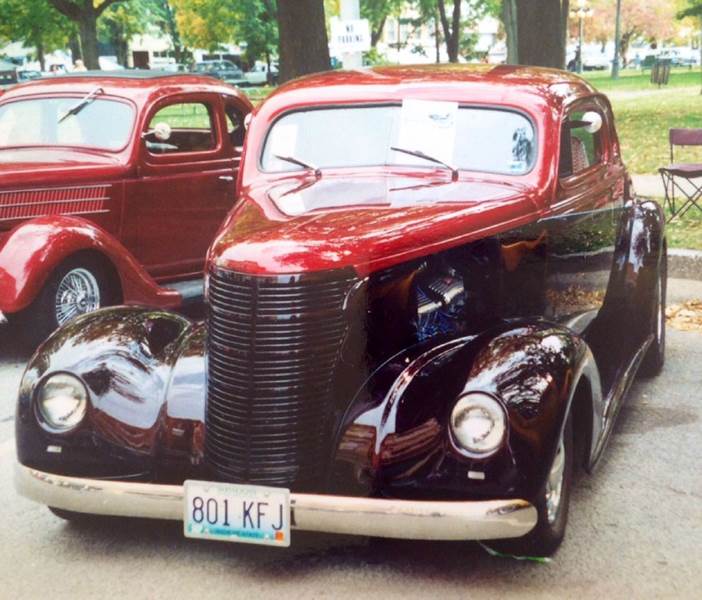
The 1938 Master Deluxe Coupe showcased a distinctly modern aesthetic for its era, reflecting the prevailing Art Deco influences in automotive design.
- Body Style: The coupe featured a two-door body, typically with a "business coupe" configuration that often included a rumble seat in the rear, adding to its sporty appeal. Later in the model year, a more conventional two-passenger coupe with a larger trunk became available.
- Front End: A prominent, vertically slatted grille dominated the front, often described as a "waterfall" grille, giving the car a sophisticated and commanding presence. Headlights were typically integrated into the fenders, a departure from earlier models where they were mounted separately. The fenders themselves were more streamlined and integrated into the overall body design, a characteristic of the "Aero-Dynamic" styling trend of the late 1930s.
- Body Lines: Smooth, flowing lines characterized the body. The roofline sloped gently towards the rear, and the overall profile was lower and wider than previous Chevrolet models, contributing to its more athletic stance. Running boards were still present but were often more integrated into the fender design.
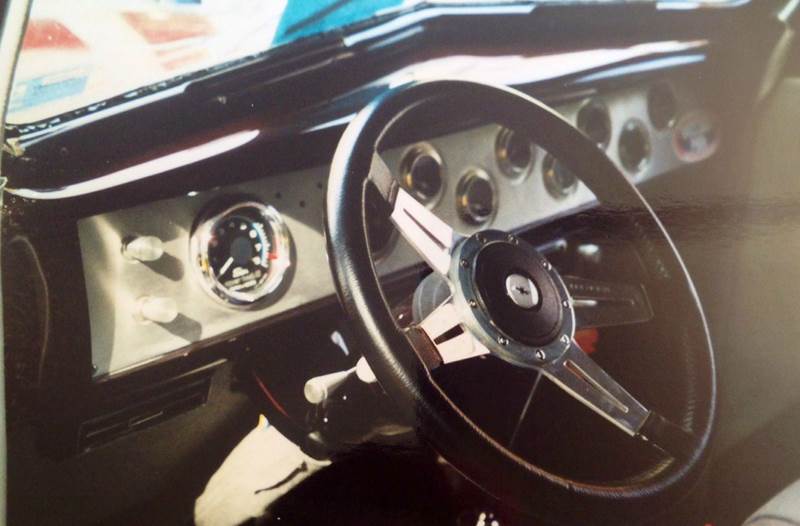
- Interior: The interior of the Master Deluxe Coupe was designed with passenger comfort in mind. Upholstery was typically fabric, and the dashboard featured a more organized and stylish layout with a complete set of instruments. Space, while typical for a coupe of the era, was considered adequate for its intended purpose.
Engine and Powertrain:
Under the hood, the 1938 Chevrolet Master Deluxe Coupe was powered by a robust and well-regarded engine for its time.
- Engine: It featured Chevrolet's "Stovebolt Six" inline-six engine. This engine was known for its durability, smooth operation, and good fuel economy. For 1938, the displacement was approximately 216.5 cubic inches.
- Horsepower: The engine typically produced around 85 horsepower, which was competitive for the segment and provided sufficient performance for daily driving and highway cruising.
- Transmission: The standard transmission was a three-speed manual gearbox. The shifting mechanism was column-mounted, offering a cleaner interior floor.
- Suspension and Brakes: The car featured a solid front axle and a live rear axle with leaf spring suspension at both ends. Braking was handled by hydraulic drum brakes on all four wheels, a significant safety advancement for the period.
Features and Innovations:
The Master Deluxe trim level brought several upgrades over the Standard series, enhancing the ownership experience.
- Improved Aerodynamics: The styling cues, including the integrated headlights and flowing body lines, were aimed at improving aerodynamic efficiency.
- More Comfortable Ride: Refinements in the suspension system contributed to a smoother and more comfortable ride compared to earlier models.
- Enhanced Interior Appointments: The Master Deluxe interior typically featured more refined upholstery, better sound insulation, and a more comprehensive instrument panel.
- Safety Features: The adoption of hydraulic brakes was a notable safety improvement, offering more consistent and effective stopping power.
Market Position and Legacy:
The 1938 Chevrolet Master Deluxe Coupe was a strong contender in the competitive mid-priced automotive market. It appealed to buyers seeking a stylish, practical, and reliable vehicle that offered a touch of luxury without breaking the bank. Chevrolet's reputation for building dependable and affordable cars, coupled with the Master Deluxe's attractive styling and improved features, made it a popular choice. Today, these coupes are sought after by collectors and enthusiasts for their classic styling, the enduring appeal of the "Stovebolt Six" engine, and their representation of a significant era in American automotive history.