

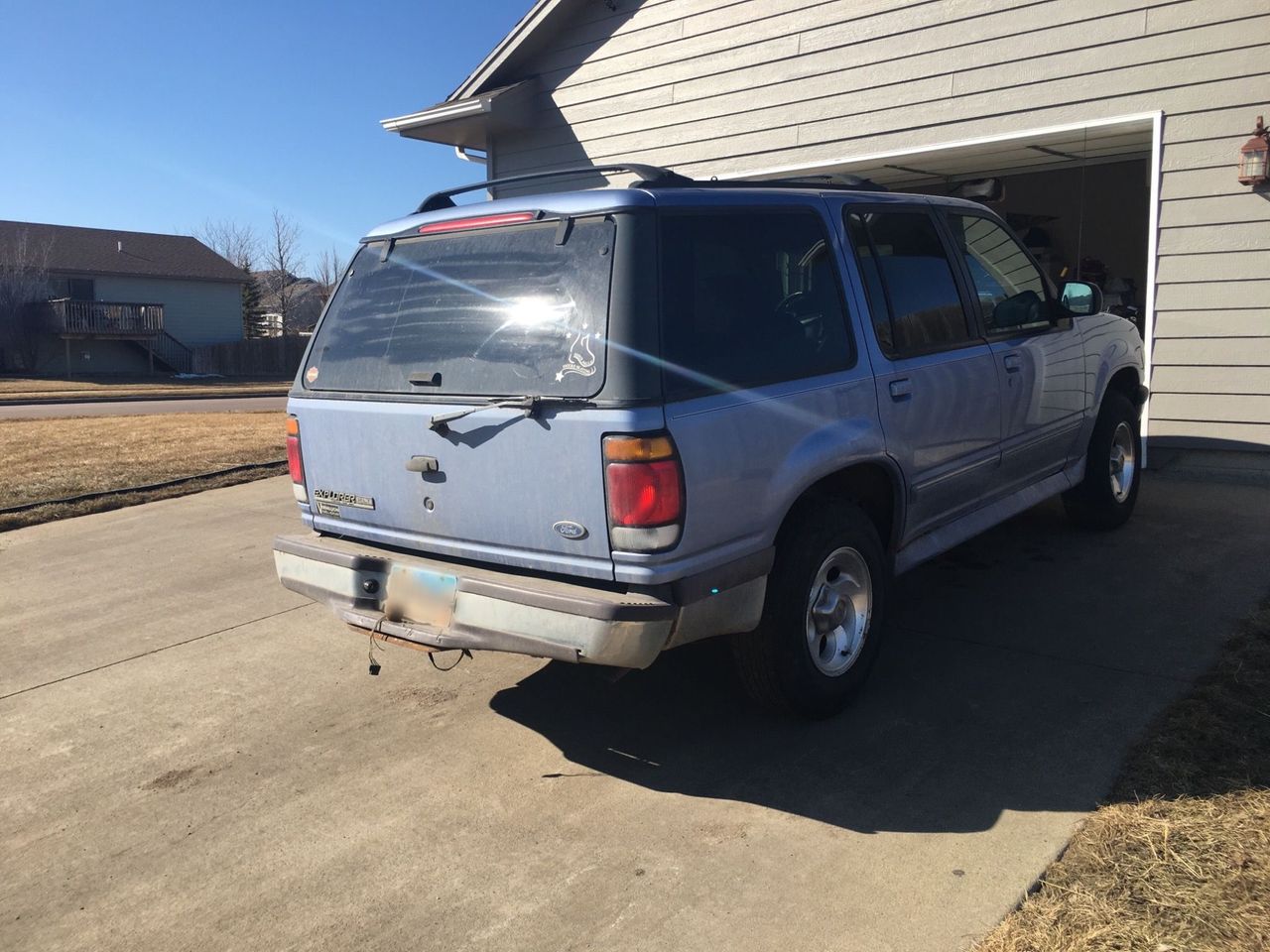
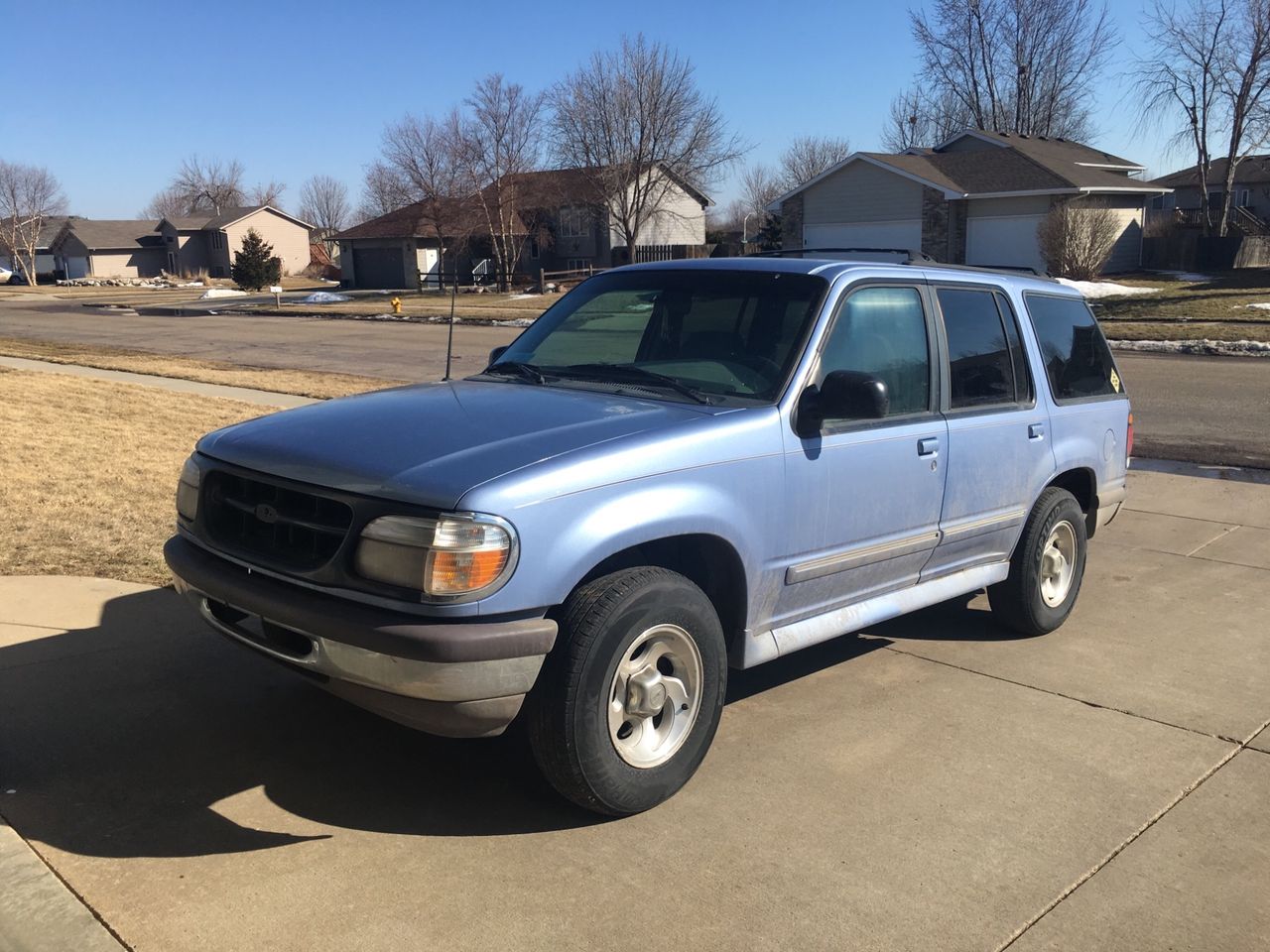
1997 Ford Explorer
The 1997 Ford Explorer marked a significant evolution for Ford's popular mid-size SUV, introducing a host of upgrades and refinements that solidified its position as a segment leader. This model year represented the second generation of the Explorer, building upon the success of its predecessor with improved styling, enhanced performance, and a stronger focus on passenger comfort and safety.
Highlights
- Engine Options: The 1997 Explorer offered two robust engine choices:
- 4.0L V6 SOHC (Single Overhead Cam): This smooth and refined engine delivered a good balance of power and efficiency, making it a popular choice for everyday driving and light towing.
- 5.0L V8: For those seeking more grunt, the optional V8 provided significantly stronger acceleration and greater towing capability, ideal for heavier loads or more demanding situations.
- Safety Features: Ford made strides in safety for 1997, with notable features including:
- Dual Front Airbags: Providing crucial protection for the driver and front passenger in the event of a frontal collision.
- Anti-lock Braking System (ABS): Available on most models, ABS prevents wheel lock-up during hard braking, allowing the driver to maintain steering control and reducing stopping distances on most surfaces.
- Daytime Running Lamps (DRLs): Standard on all models, DRLs enhance the vehicle's visibility to other road users during daylight hours, contributing to accident prevention.
- Side-impact Door Beams: Integrated into the doors, these beams help absorb and dissipate energy during side collisions, protecting occupants.
- Trim Levels: The 1997 Explorer was available in a range of well-appointed trim levels, catering to different needs and budgets:
- XL: The base model, offering essential features for reliable transportation.
- Sport: A more visually aggressive trim with sportier styling cues and often a slightly more performance-oriented feel.
- XLT: A popular mid-level trim that struck a balance between comfort and features, often including power accessories and upgraded interior materials.
- Eddie Bauer: The top-tier luxury trim, offering premium appointments, enhanced comfort features, and often unique exterior badging and styling elements.
- Independent Front Suspension (IFS): A key upgrade for the second-generation Explorer, IFS provided a more comfortable and composed ride compared to older solid front axle designs, improving handling and reducing road shock.
- Improved Interior Design: The 1997 model featured a redesigned interior with a more modern dashboard layout, improved ergonomics, and higher-quality materials, creating a more premium and user-friendly cabin.
- Four-Wheel Drive (4WD) Options: For enhanced capability in adverse weather or off-road situations, the Explorer offered both part-time and full-time four-wheel drive systems, providing confidence and traction.
What to Expect
Owning a 1997 Ford Explorer typically offers a reliable and comfortable ownership experience, especially for models that have been well-maintained. They are generally known for their comfortable ride quality, making them suitable for long commutes and family road trips.
- Maintenance: Routine maintenance, such as oil changes, filter replacements, and fluid checks, is crucial for longevity. Expect to perform these at recommended intervals. Common maintenance items for this era of Explorer can include brake replacements, exhaust system repairs, and occasional suspension component wear due to their age. Finding reputable mechanics familiar with older Ford SUVs is advisable.
- Insurance: Insurance costs for a 1997 Ford Explorer will vary significantly based on your location, driving record, age, and the specific insurance provider. However, as a more mature vehicle, it may be more affordable to insure than newer models, particularly if you opt for comprehensive coverage.
Potential Considerations
While the 1997 Explorer is a capable vehicle, potential buyers should be aware of certain common issues and wear-and-tear items that can arise with age:
- Rust: Like many vehicles from this era, rust can be a concern, particularly in areas that experience harsh winters and road salt. Thoroughly inspect the frame, rocker panels, wheel wells, and undercarriage for any signs of corrosion.
- Transmission Issues: Some Explorers from this generation have been known to experience transmission problems as they age. Fluid changes and proper maintenance can help, but it's wise to have the transmission inspected by a mechanic.
- Interior Wear: The interior materials, particularly the upholstery and dashboard plastics, can show signs of wear and tear, such as cracking, fading, or minor tears, depending on the vehicle's mileage and exposure to sunlight.
- Electrical Gremlins: Older vehicles can sometimes develop minor electrical issues. This might include faulty window regulators, malfunctioning sensors, or intermittent interior light problems.
Overall Summary
The 1997 Ford Explorer represented a strong contender in the mid-size SUV market, offering a blend of comfort, capability, and refined styling. With its improved safety features, comfortable ride thanks to independent front suspension, and available V8 power, it appealed to a broad range of consumers. While age and mileage can bring typical maintenance needs and potential considerations like rust and transmission wear, a well-cared-for 1997 Explorer can still provide a dependable and enjoyable driving experience for those seeking a capable and versatile SUV.